Table of Contents
- Key Takeaways
- Understanding the UK Regulatory Environment
- E-Cigarettes: The Most Popular Alternative
- Heat-Not-Burn Technology - Heated Tobacco Products
- Nicotine Replacement Therapy Options
- Comparing Effectiveness and Success Rates
- Cost Considerations and Long-Term Value
- Practical Implementation Strategies
- Making the Right Choice for Your Situation
- Comparing UK Vape Smoking Alternatives - Conclusion
- FAQ: Comparing UK Vape Smoking Alternatives
- References
A comprehensive guide to the most effective smoking alternatives available in the UK, comparing features, success rates, and practical benefits for adult smokers seeking to quit traditional cigarettes.
Key Takeaways
-
Different smoking alternatives—such as refillable vapes, prefilled vapes, nicotine pouches, and NRT products—offer varying levels of effectiveness, but E-Cigarettes remain one of the most successful tools for UK smokers.
-
Choosing the right alternative depends on your smoking habits, including nicotine needs, convenience preferences, long-term goals, and whether you want to focus on reducing nicotine dependence.
-
For most adult smokers, vaping provides the best balance of cost savings, reduced harm, and satisfaction, making it a leading option for quitting cigarettes in the UK.
The landscape of smoking alternatives in the UK has evolved dramatically, offering adult smokers numerous pathways to reduce or eliminate their dependence on traditional cigarettes. With mounting evidence supporting harm reduction approaches and increasing regulatory clarity, understanding which alternatives work best has become crucial for making informed decisions about your smoking cessation journey.
Understanding the UK Regulatory Environment
The UK has established itself as a global leader in progressive smoking cessation policies. The Medicines and Healthcare products Regulatory Agency (MHRA) and Public Health England have created a framework that recognises the potential of various smoking alternatives while maintaining strict quality and safety standards.
Part of this regulatory framework is specifically designed to prevent underage use of vaping and smoking alternatives, addressing concerns about youth access and safety.

This regulatory approach has fostered innovation while ensuring consumer protection. Unlike many other countries, the UK actively encourages the use of proven smoking alternatives as part of comprehensive tobacco harm reduction strategies. This supportive environment has led to the development of high-quality products specifically designed for the UK market.
E-Cigarettes: The Most Popular Alternative
E-cigarettes have emerged as the most widely adopted smoking alternative in the UK (1), with good reason. These devices work by heating a liquid containing nicotine, propylene glycol, vegetable glycerine, and flavourings to create an inhalable vapour that mimics the smoking experience without combustion. Unlike traditional cigarettes, e-cigarettes do not involve burning tobacco, which reduces exposure to harmful chemicals.
The effectiveness of e-cigarettes stems from their ability to address both the physical nicotine addiction and the behavioural aspects of smoking. Users can control their nicotine intake while maintaining familiar hand-to-mouth actions and the ritual of taking breaks for a smoking session. E-cigarettes help satisfy the hand to mouth habit, which is a key factor for many smokers trying to quit.
Research consistently shows that E-Cigarettes are significantly more effective than traditional nicotine replacement therapies. The Royal College of Physicians has stated that E-Cigarettes are likely to be at least 95% less harmful than smoking tobacco cigarettes (2), as they produce vapour with fewer harmful chemicals than cigarette smoke, making them an attractive option for harm reduction.
Types of E-Cigarette Systems
Cigalike devices represent the most straightforward entry point for smokers transitioning to alternatives. These products are beginner friendly and particularly suitable for new vapers, as they closely resemble traditional cigarettes in size and weight, making the psychological transition easier. They typically use pre-filled cartridges and require minimal maintenance, though they offer limited customisation options.
Pod systems have gained popularity for their balance of simplicity and performance. These compact devices often use pre filled pods, which are a popular choice among users seeking convenience, consistency in flavour and nicotine delivery, and straightforward budgeting. Pod systems frequently feature higher nicotine concentrations using nicotine salts, which provide smoother throat hits and faster nicotine absorption.
Vape pens and box mods offer the most customisation potential but require more knowledge and maintenance. These systems allow users to adjust power settings, choose from countless e-liquid flavours, and modify various components to create personalised vaping experiences.
Many brands offer a starter kit option designed to help new vapers transition easily.
Heat-Not-Burn Technology - Heated Tobacco Products
Heated tobacco devices represent another significant category of UK vape smoking alternatives. These products heat specially designed real tobacco sticks to temperatures below combustion point, typically around 350°C compared to the 800°C+ temperatures reached in traditional cigarettes.
This technology appeals particularly to smokers who want to maintain some connection to real tobacco while reducing harmful emissions, and provides a satisfying experience for users seeking authentic tobacco flavour.

However, heated tobacco devices still contain tobacco and produce some harmful substances, though at significantly reduced levels compared to conventional cigarettes. They also produce less smell than traditional cigarettes, making them more discreet. They require proprietary tobacco sticks, limiting flavour options and potentially increasing ongoing costs.
Nicotine Replacement Therapy Options
Traditional nicotine replacement therapies remain important alternatives, particularly for users seeking medically approved options designed to help manage or reduce nicotine dependence.
Nicotine Patches
Nicotine patches provide steady, controlled nicotine delivery over 16 or 24-hour periods, helping manage withdrawal symptoms without requiring active use behaviours.
Nicotine Gum
Nicotine gum offers more flexible dosing, allowing users to manage cravings as they occur. However, proper technique is essential for effectiveness, and some users find the taste or chewing requirement unpleasant.
Nicotine Lozenges and Inhalators
Nicotine lozenges and inhalators provide additional options for different preferences and lifestyles. While these products have established safety profiles and medical approval, research indicates they are generally less effective than e-cigarettes for long-term smoking cessation.
Nicotine Pouches
While they are not classed as a nicotine replacement therapy, nicotine pouches provide another way to consume nicotine that doesn’t involve combustion. These pouches are tobacco free and come in various strengths and flavours to suit different preferences.
Typically using a cellulose matrix with infused nicotine, nicotine pouches are used by placing the pouch between the upper lip (or top lip) and gum, allowing discreet nicotine delivery directly through the lip area for effective absorption. Their discreet nature makes them ideal for use in public transport and other settings where smoking or vaping is not allowed, offering discreet ways to manage cravings without drawing attention. This method delivers nicotine in a similar way to nicotine gum, just without the chewing.
Comparing Effectiveness and Success Rates
When evaluating UK vape smoking alternatives, many users successfully switch from cigarettes to nicotine vapes or reusable vapes for greater nicotine satisfaction and cost effective results. Success rates provide crucial insights into real-world effectiveness. Clinical trials and population studies consistently show that e-cigarettes outperform traditional nicotine replacement therapies for smoking cessation.
A landmark randomised controlled trial published in the New England Journal of Medicine found that e-cigarettes were nearly twice as effective as nicotine replacement therapy for helping smokers quit. After one year, 18% of e-cigarette users had successfully quit smoking compared to 9.9% using traditional NRT. (3)
Heat-not-burn products show promise for harm reduction, with studies indicating significant reductions in exposure to harmful chemicals compared to continued smoking, though many of these have been conducted by tobacco companies. However, long-term cessation data remains limited due to their relatively recent market introduction. Making the switch to these alternatives is also associated with health improvement, as users often experience fewer harmful effects compared to traditional smoking.

Success rates vary significantly based on individual factors including smoking history, motivation levels, support systems, and proper product selection. The most effective approach often involves choosing alternatives that closely match individual preferences and smoking patterns.
Cost Considerations and Long-Term Value
Financial factors play a crucial role in selecting smoking alternatives, particularly given the high cost of traditional cigarettes in the UK. E-cigarettes typically offer the most significant cost savings after initial setup investments.
Cigalike systems have lower upfront costs but higher ongoing expenses due to pre-filled cartridge requirements. Pod systems balance initial investment with reasonable running costs, while advanced vaping systems can provide the lowest per-use costs for committed users willing to invest time in maintenance and e-liquid preparation.
Heat-not-burn devices require significant initial investment and ongoing purchases of proprietary tobacco sticks, making them more expensive than most e-cigarette options but still considerably cheaper than continued smoking.
Traditional nicotine replacement therapies are often available through NHS stop smoking services, reducing costs for eligible users (4). However, the lower success rates may result in longer treatment periods or repeated attempts, potentially increasing overall expenses.
Practical Implementation Strategies
Successfully transitioning to smoking alternatives requires strategic planning and realistic expectations. Start by honestly assessing your smoking patterns, including daily cigarette consumption, trigger situations, and preferred nicotine strengths.
Choose alternatives that match your lifestyle and preferences rather than simply selecting the cheapest or most popular options. Heavy smokers may benefit from higher-powered devices with stronger nicotine concentrations, while light smokers might find cigalike devices perfectly adequate. Developing a good habit, such as taking a walk or practicing mindfulness, can also help replace the act of smoking or vaping and keep your hands and mind occupied.
Consider gradual transition approaches rather than immediate complete switches. Many successful users begin by replacing certain cigarettes throughout the day with alternatives, gradually increasing the proportion until traditional cigarettes are eliminated entirely. Using a combination of alternatives and support strategies can help you stay smoke free during your transition.
Seek support from healthcare professionals, particularly if you have underlying health conditions or take medications that might interact with nicotine. Many NHS stop smoking services now provide guidance on using e-cigarettes and other alternatives effectively.
Making the Right Choice for Your Situation
The most effective smoking alternative is ultimately the one you’ll use consistently instead of traditional cigarettes. Consider your priorities: immediate cessation, gradual reduction, harm minimisation, reducing nicotine dependence, or complete nicotine elimination.
E-cigarettes offer the best combination of effectiveness, cost-efficiency, and user satisfaction for most smokers seeking alternatives. Their ability to closely replicate smoking behaviours while providing controlled nicotine delivery makes them particularly suitable for long-term tobacco users.
Heat-not-burn products may appeal to smokers who want to maintain tobacco connections while reducing harm, though they represent a more expensive option with less long-term data available.
Traditional nicotine replacement therapies remain valuable for users seeking medically supervised cessation programs or those who prefer products with extensive clinical backing, despite their lower success rates compared to E-Cigarettes.
Comparing UK Vape Smoking Alternatives - Conclusion
The key to success lies in selecting alternatives that align with your specific needs, preferences, and circumstances. With the UK’s supportive regulatory environment and wide range of quality options available, finding an effective smoking alternative has never been more achievable. Take time to research options thoroughly, consult healthcare professionals when appropriate, and remember that while many alternatives can help reduce harm and support reducing nicotine dependence, none are completely risk free. The best alternative is the one that successfully helps you move away from traditional cigarettes permanently.
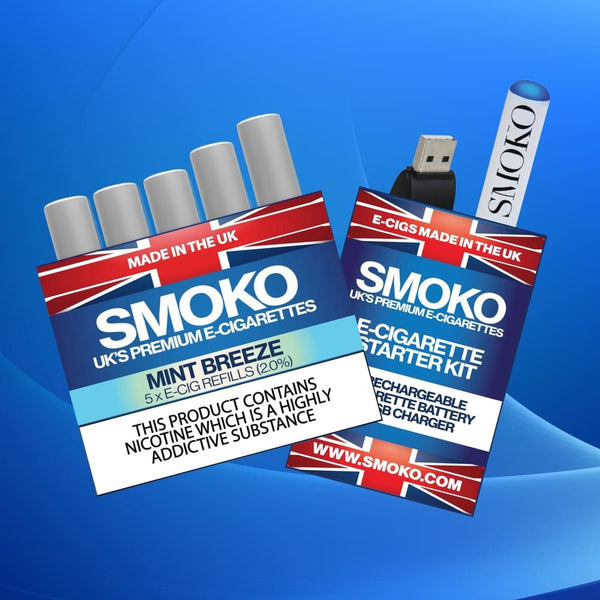
SMOKO has been helping smokers quit for over 12 years, utilising e-liquid made here in the UK for a safe vaping experience. If you are a smoker looking for a hassle-free vape that avoids all the complexity in the vape market, check out the SMOKO Starter Kit deals and make the switch with SMOKO today!
FAQ: Comparing UK Vape Smoking Alternatives
1. What is the most effective smoking alternative in the UK?
E-Cigarettes are considered one of the most effective options because they deliver nicotine efficiently, provide a reliable nicotine fix, reduce cravings, and mimic the feel of smoking. They offer a similar experience to traditional smoking, making them ideal for those transitioning from cigarettes.
2. How do disposable vapes compare to refillable vape kits?
Disposables are convenient but more expensive long-term - and are now actually banned in the UK (5). Prefilled and refillable kits offer better value, stronger performance, and more consistent satisfaction for adult smokers. With refillable vape kits, users can control not only nicotine levels but also other ingredients, which can influence the flavour and overall satisfaction of the vaping experience.
3. Are nicotine pouches a good smoking alternative?
Nicotine pouches can help reduce cravings discreetly but may not satisfy smokers who miss the hand-to-mouth action or inhalation routine.
4. Do nicotine replacement therapies (NRT) like patches or gum work as well as vapes?
NRT can help some smokers, but many find vaping more effective because it closely replicates the behavioural habits of smoking.
5. How do I choose the best alternative for me?
Consider your nicotine needs, budget, preferred routine, and how much you rely on the physical habit of smoking. A refillable vape kit is often the best starting point for most adults.
References
(1) Prevalence of Popular Smoking Cessation Aids in England and Associations With Quit Success
(2) E-cigarettes and harm reduction: An evidence review
(4) Quit smoking with nicotine replacement therapies (NRTs)
(5) Disposable vapes banned to protect children's health