Table of Contents
- Key Takeaways
- NHS-Approved E-Cigarettes: The Leading Cessation Tool To Quit Smoking
- Nicotine Replacement Therapy: Traditional but Effective
- Prescription Medications: Medical Support for Quitting
- Behavioural Support Systems: Addressing the Psychological Aspect
- Mobile Apps and Digital Tools: NHS Quit Smoking App and Others
- Alternative Therapies: Complementary Approaches
- Creating Your Personal Cessation Strategy
- Maximising Your Success Rate
- Top UK Smoking Cessation Tools That Actually Work - Conclusion
- FAQ: Top UK Smoking Cessation Tools
- Why choose SMOKO when trying to quit smoking?
- Are vapes really effective for quitting smoking?
- Are smoking cessation tools safe?
- Can I use more than one quit tool at the same time?
- How long should I use cessation tools for?
- Do I need a prescription for smoking cessation aids?
- References
Discover the most effective UK smoking cessation tools backed by research, from NHS-approved vapes to behavioural support systems that help smokers quit for good.
Key Takeaways
-
The most effective quit aids combine nicotine replacement with behaviour support, giving smokers the best chance of long-term success.
-
Modern vaping devices and licensed NRT products outperform willpower alone, helping reduce cravings and withdrawal symptoms safely.
-
Choosing the right cessation tool depends on your smoking habits, but accessible UK options like SMOKO E-Cigs & Vapes, patches, and coaching dramatically increase quit rates.
Breaking free from smoking addiction requires more than willpower alone. The best thing you can do for your health, finances, and overall well-being is to quit smoking. With over 6 million smokers in the UK seeking effective ways to quit, understanding which cessation tools actually deliver results can make the difference between another failed attempt and lasting success. Every year, thousands of people stop smoking in the UK with the help of proven tools, support services, and medical treatments (1). This comprehensive guide examines the most effective smoking cessation tools available in the UK, backed by clinical research and real-world success stories. These tools not only help individuals quit but also support the UK's public health goal of creating a smoke free generation.
NHS-Approved E-Cigarettes: The Leading Cessation Tool To Quit Smoking
E-cigarettes have emerged as the most effective smoking cessation tool available in the UK, with clinical trials showing they are twice as effective as traditional nicotine replacement therapy (2). The NHS officially endorses e-cigarettes as a quit-smoking aid, recognising their potential to save lives and reduce healthcare costs. In addition to the health benefits, switching from cigarettes to e-cigarettes can lead to significant financial saving, allowing users to save money every week compared to the high cost of smoking.
The success of e-cigarettes lies in their ability to address both the physical nicotine addiction and the behavioural aspects of smoking. Unlike patches or gum, e-cigarettes replicate the hand-to-mouth action and ritual that smokers find difficult to abandon. Quality starter kits provide everything needed to begin the transition from traditional cigarettes to a less harmful alternative. Unlike tobacco smoke, which contains thousands of harmful chemicals that increase the risks of cancer, heart disease, stroke, and lung cancer, e-cigarettes offer a reduced risk profile and help users avoid the dangers associated with smoking.
Great news: quitting smoking not only reduces your risk of early death, but also lowers the risks of developing serious diseases such as cancer, heart disease, stroke, and especially lung cancer (3). After stopping smoking, many people notice improvements in their breathing and lung function, as their lungs begin to clear out mucus and recover. The body and blood start to repair themselves soon after quitting, with improved circulation and reduced levels of harmful substances. Stopping smoking and switching to E-Cigarettes can help reduce these health risks and support your body's recovery.
Research published in the New England Journal of Medicine demonstrated that smokers using e-cigarettes were 83% more likely to quit successfully compared to those using conventional nicotine replacement products. The key advantage is the immediate satisfaction and familiar experience that helps manage cravings while gradually reducing nicotine dependence.
Nicotine Replacement Therapy: Traditional but Effective

Nicotine replacement therapy (NRT) remains a cornerstone of comprehensive interventions for smoking cessation support in the UK. As part of a multi-faceted approach, NRT is recommended for patients seeking to quit smoking, often in combination with behavioural support. The National Institute for Health and Care Excellence (NICE) evaluates NRT as a standard of care excellence and health and care excellence, ensuring that patients receive evidence-based stop smoking treatment. NRT products, available through the NHS, pharmacy, and over-the-counter, include patches, gum, lozenges, nasal sprays, and inhalators. These stop smoking aids work by providing controlled doses of nicotine without the harmful chemicals found in cigarette smoke.
Patients can access NRT through a range of service options, including their local stop smoking service, NHS stop smoking service, and other smoking service providers. Seeking advice from a stop smoking advisor or pharmacy can help individuals choose the most effective NRT product and develop a tailored quit plan. Specialist support is also available for those with complex needs, ensuring that everyone can benefit from the right stop smoking aids and interventions.
Nicotine patches offer steady, long-lasting nicotine delivery throughout the day, making them ideal for managing baseline cravings. They are particularly effective when combined with faster-acting NRT products like gum or lozenges for breakthrough cravings. The dual approach addresses different aspects of nicotine addiction and significantly improves quit rates. (4)
Nicotine gum provides immediate relief when cravings strike, allowing users to control their nicotine intake based on their needs. The 2mg and 4mg strengths accommodate different smoking habits, with heavier smokers typically requiring the higher dose initially. Proper chewing technique is crucial for effectiveness – the gum should be chewed slowly until a peppery taste appears, then parked between the cheek and gum. You can now enjoy 3 great flavours of SMOKO Sugar-free Nicotine Gum: Mint, Blueberry and Watermelon!
Prescription Medications: Medical Support for Quitting
Two prescription medications are available through the NHS to support smoking cessation: varenicline (Champix) and bupropion (Zyban). These interventions are prescribed to patients and work differently from nicotine replacement by targeting the brain’s nicotine receptors or affecting neurotransmitters associated with addiction.
Varenicline blocks nicotine receptors in the brain, reducing both the pleasure derived from smoking and withdrawal symptoms. It is especially effective at reducing cravings for nicotine, which helps patients resist the urge to smoke. Clinical trials show varenicline can triple the chances of quitting successfully compared to willpower alone. The medication is typically taken for 12 weeks, with treatment beginning one week before the chosen quit date.
Bupropion, originally developed as an antidepressant, helps reduce nicotine cravings and withdrawal symptoms by affecting dopamine and norepinephrine levels in the brain. It is particularly beneficial for patients who have experienced depression or those concerned about weight gain during quitting, as it can help manage mood and appetite. Both medications can also help alleviate anxiety that often arises during the quitting process, making it easier for patients to cope with emotional challenges. These interventions are most effective when combined with behavioural support, such as counselling, to improve quit rates and support long-term success.
Behavioural Support Systems: Addressing the Psychological Aspect
Smoking cessation is not just about overcoming physical addiction; the psychological and behavioural components are equally important. The NHS provides comprehensive behavioural support through its stop smoking service, which significantly increases the likelihood of successful quitting when combined with pharmacological aids. You can talk to a stop smoking advisor or join a smoking cessation support group for personalised help and guidance throughout your quit journey.
Cognitive behavioural therapy (CBT) helps smokers identify triggers, develop coping strategies, and change thought patterns associated with smoking. This approach is particularly effective for addressing the emotional and situational cues that lead to smoking. Many NHS stop smoking services incorporate CBT techniques into their support programs, and a stop smoking advisor can offer tailored advice to help you make lasting behavioural changes.
Group support sessions create a community of individuals facing similar challenges, providing motivation, accountability, and shared experiences. The social aspect of group support can be particularly powerful, as participants learn from each other’s strategies and celebrate milestones together. Specialist support is also available for those with complex needs, ensuring everyone can access the right level of service and advice. Online support groups and mobile apps extend this community support beyond scheduled sessions.

Mobile Apps and Digital Tools: NHS Quit Smoking App and Others
Digital smoking cessation tools have revolutionised quit support, offering 24/7 accessibility and personalised guidance. The NHS Smokefree app is a free NHS resource that provides daily motivation, tracks progress, and calculates money saved and health improvements (5). When you start using the app, you may be asked a few simple questions to personalise your quitting plan and support. These visual representations of progress can be powerful motivators during challenging moments.
Smartphone apps like Smoke Free and QuitNow offer features including craving timers, achievement badges, and community support. The gamification elements make the quitting process more engaging and provide immediate rewards for reaching milestones. Many apps also include educational content about the health benefits of quitting and tips for managing specific situations.
Wearable devices can monitor physiological changes during the quitting process, tracking improvements in heart rate, sleep quality, and activity levels. This real-time feedback helps users see the immediate benefits of quitting, reinforcing their commitment to remaining smoke-free.
Alternative Therapies: Complementary Approaches
While evidence varies, several alternative therapies show promise as complementary tools for smoking cessation. Acupuncture, hypnotherapy, and mindfulness meditation can help manage stress and cravings, though they are most effective when used alongside proven cessation methods rather than as standalone treatments. Some of these alternative therapies may be available through your local stop smoking service, which can provide tailored support and advice.
Acupuncture may help reduce withdrawal symptoms and cravings by stimulating specific points that affect the nervous system. Some studies suggest acupuncture can be as effective as nicotine replacement therapy, though more research is needed to confirm these findings consistently. Your local stop smoking service or smoking service can offer information about acupuncture and other complementary approaches.
Hypnotherapy works by addressing subconscious associations with smoking and reinforcing motivation to quit. Success rates vary significantly depending on the individual’s receptiveness to hypnosis and the skill of the practitioner. The NHS does not routinely provide hypnotherapy, but it may be available through some local stop smoking services or as part of a broader stop smoking service. These services can guide you to reputable practitioners and offer additional support throughout your quitting journey.
Creating Your Personal Cessation Strategy
The most effective approach to smoking cessation often involves combining multiple tools tailored to individual needs and preferences. Seeking advice from stop smoking advisors, doctors, or pharmacists can help you create a personalised quit plan and increase your chances of success. Modern vaping devices can serve as the primary cessation tool, and incorporating stop smoking aids such as nicotine replacement therapy, medication, or support services can further support your journey, while behavioural support addresses psychological aspects of addiction.
Setting a quit date provides a clear target and allows time to prepare mentally and practically. Remove smoking triggers from your environment, inform supportive friends and family of your plans, and have your chosen cessation tools ready. Consider starting with familiar tobacco flavours if choosing e-cigarettes, as this can ease the transition.
Prepare for challenges by identifying your smoking triggers and developing specific strategies for each situation. Whether it’s stress, social situations, or routine habits, having a plan increases your chances of success. Most people require multiple attempts to quit, and more people are succeeding with the right support and stop smoking aids. Remember that any setbacks are learning opportunities rather than failures.
Maximising Your Success Rate
Research consistently shows that combining pharmacological aids with behavioural support produces the highest quit rates. The NHS stop smoking services report success rates of up to 65% for patients who complete their programs, compared to just 3-5% for those attempting to quit without support (6). Great news: recent public health initiatives, including the tobacco and vapes bill, are providing even more support for stopping smoking and helping patients achieve a healthier life.
Timing can significantly impact success rates. Many people find it easier to quit during less stressful periods or when they can focus on the process without major distractions. However, waiting for the “perfect” time to quit can become an excuse for delay, so balance preparation with action. The national institute and NHS continue to set standards for care excellence and health and care excellence, ensuring patients have access to the best cessation tools and support.
Track your progress using multiple metrics beyond just days smoke-free. Monitor improvements in breathing, taste, smell, and energy levels—you may notice your body and lungs starting to repair themselves soon after quitting smoking. Calculate money saved and health improvements gained; stopping smoking not only reduces your risk of serious diseases but also leads to significant saving over time. Quality cessation tools represent an investment in your health that pays dividends immediately and for years to come, helping you save money while reducing the risks associated with smoking.
Top UK Smoking Cessation Tools That Actually Work - Conclusion
The journey to becoming smoke-free is challenging but entirely achievable with the right tools and support. Whether you choose E-Cigarettes, traditional NRT, prescription medications, or a combination approach, the key is taking that first step and remaining committed to your health and freedom from smoking addiction. Quitting smoking now gives your body and lungs the chance to recover, reduces your risk of disease, and sets you on the path to a longer, healthier life.
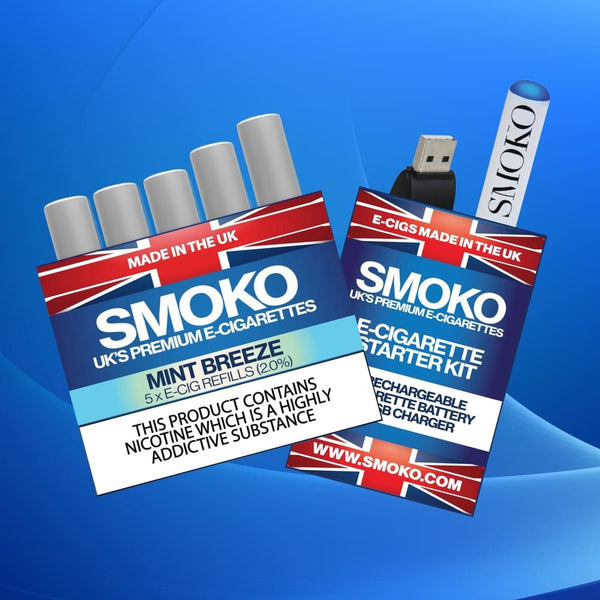
If you are a smoker looking to quit then check out the SMOKO E-Cig & Vape Starter Kit Deals! Our starter kits provide a hassle-free vaping experience to aid in a seamless transition from smoking to vaping, utilising prefilled refills and rechargeable batteries to
FAQ: Top UK Smoking Cessation Tools
Why choose SMOKO when trying to quit smoking?
SMOKO is a UK-based, independent brand making e-cigarettes, pod systems and e-liquids entirely in the UK. Our devices are designed specifically to help adult smokers switch away from combustible cigarettes, offering realistic sensations and nicotine strengths tailored to quitting.
Are vapes really effective for quitting smoking?
Yes. Multiple UK studies — including Public Health England reviews — show that vapes are significantly more effective than traditional NRT for many smokers. They mimic the hand-to-mouth action, deliver controlled nicotine, and avoid tar and carbon monoxide.
Are smoking cessation tools safe?
Licensed NRT products and regulated UK vaping devices are far safer than smoking. They contain no tar, carbon monoxide, or the thousands of toxic chemicals found in cigarettes. While not risk-free, they drastically reduce harm for adult smokers switching completely.
Can I use more than one quit tool at the same time?
Absolutely. Many smokers combine a patch for steady nicotine with a fast-acting option like gum, lozenges, or a vape to manage sudden cravings. This dual approach is often recommended by NHS Stop Smoking Services.
How long should I use cessation tools for?
There’s no fixed timeline. Some people taper off within weeks, while others use tools like vapes or NRT for months. The goal is to stop smoking completely first, then gradually reduce nicotine if you choose.
Do I need a prescription for smoking cessation aids?
Most NRT products and all regulated disposables/refillable vapes can be bought without a prescription. Medications like Champix (varenicline) do require one, though availability can vary.
References
(1) ASH: New figures show record increase in people quitting with local stop smoking services
(2) A Randomized Trial of E-Cigarettes versus Nicotine-Replacement Therapy
(3) NHS: Benefits of quitting smoking
(4) NIHR: Using both nicotine patches and gum together improves the chances of quitting smoking
(6) Statistics on Local Stop Smoking Services in England - April 2024 to March 2025 (Q4, Annual)