Table of Contents
- Key Takeaways
- What Is Diacetyl and Where Does It Come From?
- The Health Risks That Changed Everything
- Lung Disease 'Bronchiolitis Obliterans': The Science Behind Exposure To Diacetyl
- Consumer Exposure Risks
- Diacetyl in E Cigarettes: Industry Response and Regulation
- Safer Alternatives and Industry Innovation
- Current Research and Future Developments
- Making Informed Choices as a Consumer
- Reading Labels and Ingredient Lists
- Choosing Quality Manufacturers
- Staying Informed About Regulation Changes
- The Future of Chemical Safety in Consumer Products
- Conclusion: Knowledge Empowers Better Choices
- Frequently Asked Questions
- References
Key Takeaways
-
Diacetyl’s health risks reshaped entire industries. Once common in food and e-liquids, links to serious lung disease forced major changes in manufacturing and safety standards.
-
Vaping regulations evolved because of it. The discovery of diacetyl in early vape liquids accelerated testing, transparency, and stricter ingredient controls across the vaping industry.
-
Consumer awareness now drives safer products. Public scrutiny pushed brands to reformulate, disclose ingredients, and prioritise long-term health over flavour alone.
Diacetyl has become one of the most controversial chemical compounds in recent years, sparking heated debates across the vaping industry and food manufacturing sector. This naturally occurring and artificially produced chemical compound gives butter its distinctive creamy flavour, but it's also been linked to serious respiratory health concerns that have reshaped how we think about workplace safety and consumer products. For this reason, E-Cigarette & Vape products made in the UK are not allowed to contain diacetyl.
Whether you're a vaper concerned about e-liquid ingredients, a food industry worker, or simply someone interested in chemical safety, understanding diacetyl's properties, risks, and regulatory status is crucial for making informed decisions about your health and safety in 2026.
The story of diacetyl reads like a modern-day cautionary tale about industrial chemicals. From its innocent beginnings as a butter flavouring agent to its current status as a regulated substance, diacetyl's journey illustrates how scientific research can fundamentally change our understanding of everyday chemicals and their impact on human health.
What Is Diacetyl and Where Does It Come From?
Diacetyl, chemically known as 2,3-butanedione, is an organic compound with the chemical formula (CH3CO)2. It is a yellow liquid with an intensely buttery flavour. Diacetyl occurs naturally as a natural by-product and by product of fermentation and coffee roasting, and is found in many food products such as butter, coffee, honey, cocoa, fruits, baked goods, and dairy products. In nature, diacetyl forms as a byproduct of bacterial fermentation (1), specifically during valine synthesis when yeast produces α-acetolactate. Lactic acid bacteria, such as L. lactis and Streptococcus thermophilus, produce diacetyl during fermentation, contributing to the buttery flavour and buttery flavour of cultured butter and other dairy products. Cultured butter is a notable natural source of diacetyl, produced through fermentation.
The compound’s distinctive buttery aroma and flavour made it particularly valuable to food manufacturers looking to replicate the taste of real butter without using actual dairy products. Diacetyl’s chemical structure consists of two adjacent carbonyl groups, which gives it unique flavouring properties that are difficult to replicate with other compounds (2). Diacetyl is sometimes an ingredient in brown flavours such as caramel, butterscotch, and coffee flavours, enhancing the buttery flavour of these food products. It is also present in some chardonnays known as 'butter bombs', although there is a trend back toward more traditional French styles.
Commercially, diacetyl can be manufactured synthetically and is produced industrially by dehydrogenation of 2,3-butanediol, or it can be synthesised by converting 2-butanone to an isonitroso compound and then hydrolysing it with hydrochloric acid. Commercial production of diacetyl typically involves the oxidation of methyl ethyl ketone or through bacterial fermentation processes. In beer production, a 'diacetyl rest' is sometimes performed, where the temperature is raised slightly for two or three days after fermentation to allow yeast to absorb diacetyl. (3)
Diacetyl is recognised by the FDA and JECFA as generally safe for human oral consumption, and is considered FEMA GRAS for use as a flavouring substance under its intended conditions of use. The European Commission has declared diacetyl legal for use as a flavouring substance in all EU states. Diacetyl was evaluated and affirmed as a generally recognised as safe (GRAS) direct food additive by the FDA in the early 1980s.
The food industry has used synthetic diacetyl extensively in:
-
Microwave popcorn flavouring
-
Margarine and butter substitutes
-
Baked goods and pastries
-
Flavoured snack foods
-
Certain candy and confectionery products
-
Some E-Cigarette and vaping liquids
The Health Risks That Changed Everything
The health concerns surrounding diacetyl emerged dramatically in the early 2000s when researchers began investigating a cluster of severe lung disease cases among microwave popcorn factory workers. Diacetyl is now classified as a hazardous substance in workplace safety regulations. This condition, initially called “popcorn lung” or more formally bronchiolitis obliterans, involves the scarring and narrowing of small airway branches in the lungs, leading to breathing difficulties that can be irreversible.
Diacetyl fumes are generated during hot processes such as roasting, grinding, and heating of flavour mixtures, where airborne concentrations can be significantly increased. Exposure levels during coffee bean roasting and grinding can exceed workplace exposure limits due to the generation of diacetyl vapours, and diacetyl vapour can also be present during the brewing of some beers. Workers in flavouring manufacturing facilities, microwave popcorn plants, and coffee roasting facilities are at risk of diacetyl exposure, especially when airborne concentrations exceed safe workplace limits if flavour mixtures containing diacetyl are heated.
Risk assessment is crucial for identifying hazards, evaluating risks, and implementing safety controls for hazardous substances like diacetyl. WELs (Workplace Exposure Limits) for diacetyl are published in EH40/2005 Workplace Exposure Limits, and the Health and Safety Executive (HSE) issued a safety alert concerning diacetyl in January 2023. (4)
Acute inhalation exposure to diacetyl can cause severe, irreversible lung disease, including life-threatening forms of bronchiolitis obliterans, characterised by scar tissue formation and damage to small airway branches. In addition to respiratory risks, diacetyl can also cause skin irritation upon contact. Strict control measures for managing workplace exposure to diacetyl include local exhaust ventilation and personal protective equipment.
Lung Disease 'Bronchiolitis Obliterans': The Science Behind Exposure To Diacetyl

Bronchiolitis obliterans occurs when the small airways in the lungs become inflamed and scarred. When workers inhaled diacetyl vapours in poorly ventilated factory environments, the chemical caused severe respiratory damage. The condition is characterised by:
-
Progressive shortness of breath
-
Persistent dry cough
-
Chest tightness
-
Reduced exercise tolerance
-
In severe cases, respiratory failure
The Centers for Disease Control and Prevention (CDC) has extensively documented these cases, noting that the severity of symptoms correlates with the level and duration of diacetyl exposure (5). Most concerning is that the damage appears to be irreversible, with affected workers requiring ongoing medical treatment and, in some cases, lung transplants.
Consumer Exposure Risks
While occupational exposure represents the highest risk, consumer exposure has also raised concerns. Regular consumption of foods containing diacetyl through normal dietary intake appears to pose minimal risk. However, intensive exposure scenarios, such as frequently preparing microwave popcorn in poorly ventilated spaces, have occasionally led to consumer cases of respiratory problems. (6)
Diacetyl in E Cigarettes: Industry Response and Regulation
The vaping industry faced intense scrutiny when early e-liquid formulations and electronic cigarettes contained diacetyl as a flavouring agent. This discovery prompted significant changes across the industry and highlighted the importance of ingredient transparency in vaping products.
Diacetyl can also be present in exhaled aerosol from electronic cigarettes, which is unlikely to pose health risks to bystanders. The level of diacetyl found in vape liquids was significantly lower in comparison to traditional cigarettes. In 2016, diacetyl was banned in e-liquids and E-Cigarettes in the EU under the EU Tobacco Products Directive, reflecting regulatory efforts to address potential health risks. (7)
The Vaping Industry's Transformation
When diacetyl was discovered in some e-liquids around 2014, the vaping community and responsible manufacturers responded quickly. Companies began:
-
Removing diacetyl from their formulations
-
Implementing rigorous testing protocols
-
Seeking safer flavouring alternatives
-
Improving ingredient transparency
-
Adopting stricter manufacturing standards
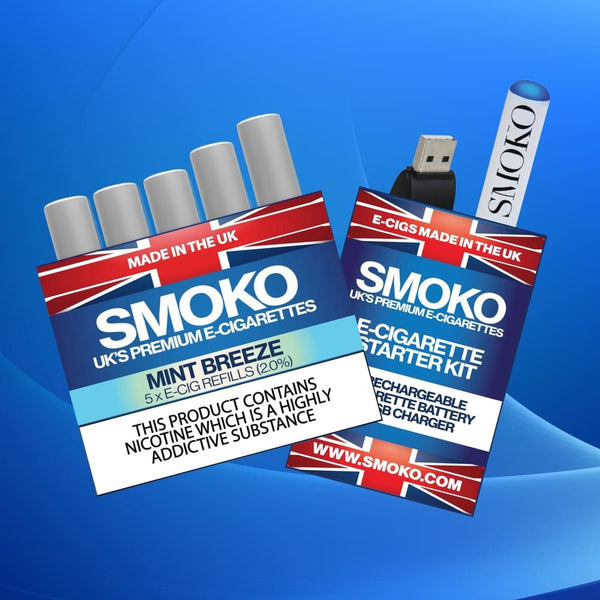
At SMOKO E-Cigarettes and Vapes, we recognised early on that ingredient safety must be paramount. Our Made in the UK approach allows us to maintain strict quality control over every aspect of production, ensuring that our e-liquids are free from diacetyl and other potentially harmful compounds. This commitment to safety has been fundamental to our mission of providing a safer alternative to traditional cigarettes.
Regulatory Responses Across Different Regions

Different countries have adopted varying approaches to regulating diacetyl in consumer products:
United Kingdom: The UK's Tobacco and Related Products Regulations (TRPR) prohibit the use of diacetyl in E-Cigarette products. This regulation ensures that all legally sold vaping products in the UK are diacetyl-free.
European Union: Similar to the UK, EU regulations under the Tobacco Products Directive (TPD) ban diacetyl in e-cigarette liquids.
United States: While the FDA regulates tobacco products including e-cigarettes, specific diacetyl bans in vaping products have been implemented at state levels rather than federally. Instead, the FDA has banned all non-tobacco flavoured e-liquids.
Safer Alternatives and Industry Innovation
The identification of diacetyl’s health risks spurred innovation in flavouring chemistry. Food and vaping industries have developed numerous alternatives that provide similar taste profiles without the associated health concerns, especially in the context of food flavourings where diacetyl was commonly used. Flavour mixtures containing diacetyl, particularly when spray dried, can increase airborne concentrations and exposure risks during manufacturing processes. The safety executive, such as the Health and Safety Executive, provides guidance and safety alerts regarding the use of hazardous substances like diacetyl in food flavourings to help manage and reduce these risks.
Natural Flavouring Compounds
Many manufacturers have turned to naturally derived flavouring compounds that can replicate buttery tastes without using diacetyl. These include:
-
Acetoin (3-hydroxy-2-butanone)
-
Natural butter extracts
-
Plant-based flavouring compounds
-
Fermentation-derived flavour molecules
However, it's worth noting that some of these alternatives, particularly acetoin, can metabolise into diacetyl under certain conditions, prompting ongoing research into even safer options.
Advanced Testing and Quality Control
Modern manufacturing has embraced sophisticated analytical testing to ensure product safety. Gas chromatography-mass spectrometry (GC-MS) testing has become standard for detecting diacetyl and related compounds at extremely low levels. This technology allows manufacturers to verify that their products are genuinely free from harmful chemicals.
Current Research and Future Developments
Scientific research into diacetyl continues to evolve, providing deeper insights into its mechanisms of toxicity and potential long-term effects. Ongoing research is informed by HSE scientific studies, which have highlighted how temperature influences airborne concentrations and exposure levels, shaping current understanding of diacetyl risks. Conducting thorough risk assessment is essential in both research and workplace safety to identify hazards, evaluate risks, and implement appropriate safety controls when handling diacetyl.
Recent studies have focused on:
Mechanism of Toxicity
Researchers have identified that diacetyl's toxicity stems from its ability to cross-link proteins in lung tissue, leading to the inflammatory cascade that results in bronchiolitis obliterans. The Occupational Safety and Health Administration (OSHA) continues to study workplace exposure limits and safety protocols for industries that may still use diacetyl-containing compounds.
Emerging Concerns and Related Compounds
Current research extends beyond diacetyl to examine other α-dicarbonyl compounds that may pose similar risks. This broader investigation helps ensure that substitutes don't simply replace one problem with another.
Improved Detection Methods
Advances in analytical chemistry continue to improve our ability to detect and quantify diacetyl and related compounds at lower concentrations, enabling better quality control and safety assessment.
Making Informed Choices as a Consumer

Understanding diacetyl empowers consumers to make informed decisions about the products they use, especially when it comes to food products and vaping products. Even low concentrations of diacetyl in food products can pose health risks if the products are heated, used in hot processes, or spray-dried. For example, cooling roasted coffee beans to room temp (around 16-20°C) before grinding can reduce diacetyl vapour generation and associated risks. Whether you’re concerned about food choices or vaping products, several strategies can help minimise potential exposure:
Reading Labels and Ingredient Lists
Always check ingredient lists for diacetyl, artificial butter flavouring, or natural flavours that might contain diacetyl. Reputable manufacturers will clearly indicate if their products are diacetyl-free.
Choosing Quality Manufacturers
Select products from companies that prioritise safety testing and transparency. Look for manufacturers who:
-
Provide detailed ingredient information
-
Conduct third-party testing
-
Have clear quality control standards
-
Respond promptly to safety concerns
-
Maintain regulatory compliance
Staying Informed About Regulation Changes
Regulations surrounding diacetyl continue to evolve as scientific understanding improves. Staying informed about current regulations and safety recommendations helps ensure you're making the best choices for your health.
The Future of Chemical Safety in Consumer Products
The diacetyl controversy has fundamentally changed how industries approach chemical safety in consumer products. This shift toward greater transparency and proactive safety testing represents a positive development for consumer protection.
As we move forward in 2026, the lessons learned from diacetyl continue to influence how new chemicals are evaluated and regulated. The emphasis on comprehensive testing before widespread use, rather than reactive measures after health problems emerge, represents a more protective approach to public health.
For the vaping industry specifically, the diacetyl issue has accelerated the development of safer formulations and more rigorous testing protocols. Companies that prioritised safety from the beginning, like SMOKO, have been able to maintain consumer trust while contributing to the industry's overall improvement.
Conclusion: Knowledge Empowers Better Choices
Diacetyl's story serves as a powerful reminder of the importance of ongoing vigilance in chemical safety. While the compound continues to occur naturally in many foods we consume safely, its use in industrial applications where workers face high-concentration inhalation exposure has proven dangerous.
For consumers in 2026, the good news is that awareness of diacetyl's risks has led to significant improvements in product safety across multiple industries. Whether you're choosing vaping products, flavoured foods, or workplace safety protocols, understanding diacetyl helps you make informed decisions.
The key takeaway is that responsible manufacturing, transparent labelling, and continued research are essential for maintaining product safety. As scientific understanding continues to evolve, consumers benefit from choosing companies that prioritise safety and transparency over shortcuts and cost-cutting.
If you're looking for diacetyl-free vaping products, explore SMOKO's range of Made in the UK E-Cigarette and Vape Starter Kit Deals! Our commitment to safety and quality has helped over hundreds of thousands of customers make the switch from traditional cigarettes while maintaining the highest safety standards!
Frequently Asked Questions
What is diacetyl?
Diacetyl is a chemical compound used to create buttery or creamy flavours in food and flavourings. It was once commonly found in popcorn, baked goods, and some early e-liquids.
Why is diacetyl considered dangerous?
Inhaling diacetyl has been linked to a serious lung condition known as bronchiolitis obliterans, often called “popcorn lung,” particularly among factory workers exposed to high levels.
Is diacetyl still used in vapes today?
Most reputable vape manufacturers have removed diacetyl from their products and now use alternative flavouring methods, especially in regions with strict regulations.
Did diacetyl affect food safety regulations too?
Yes. Research into diacetyl exposure led to improved workplace safety standards, better ventilation requirements, and greater scrutiny of inhalable flavouring chemicals across industries.
How can consumers avoid diacetyl exposure?
Choosing products from transparent, regulated brands and checking ingredient disclosures helps reduce the risk of exposure to diacetyl and similar compounds.
References
(1) Mechanism of Diacetyl Formation in Yeast Fermentation
(3) The Beer Off-Flavor Series: Diacetyl
(4) Exposure to diacetyl vapour in food and drink manufacture
(5) CDC: About Flavoring-related Lung Disease
(6) Microwave Popcorn Causes Cancer: Fact or Fiction?
(7) Advice on ingredients in nicotine-containing liquids in electronic cigarettes and refill containers
ABOUT THE AUTHOR
Written by Dan Overgage
Dan Overgage is a former smoker of 10 years until he became a client of SMOKO E-Cigarettes. Dan started working with SMOKO 6 years ago after successfully quitting using our e-cigarettes and works across our Customer Service and heads up our content creation and research with a strong focus on all things quitting smoking. During his tenure with SMOKO, Dan has written countless blogs and consults with countless clients every day to help them to stay smoke-free.
Last updated 14/01/2026