Table of Contents
- Key Takeaways
- Understanding Over-Vaping and Its Warning Signs
- Choosing the Right Nicotine Strength and Device
- Nicotine Strength Optimisation For Nicotine Withdrawal Symptoms
- E-Cigarette Device Type Considerations
- Implementing Mindful Vaping Practices - Practical Tips
- Environmental and Social Strategies
- Tracking and Monitoring Consumption
- Developing Healthy Alternatives and Coping Strategies
- Professional Resources and More Support Options
- Long-Term Maintenance and Success Strategies
- Techniques To Prevent Over-Vaping - Conclusion
- FAQs: Techniques To Prevent Over-Vaping
- References
Key Takeaways
-
Set clear limits: Track your puffs or usage times to avoid mindless vaping and keep nicotine intake under control.
-
Choose the right nicotine strength: Using a strength that matches your needs reduces the urge to over-vape throughout the day.
-
Break the habit loop: Swap automatic vaping with simple alternatives—like water breaks or short walks—to reduce unnecessary puffs.
As vaping continues to grow in popularity as an alternative to traditional cigarettes, many users find themselves inadvertently consuming more nicotine than intended. Over-vaping, or excessive vaping habits, can lead to nicotine dependency, health concerns, and financial strain. The good news is that with the right techniques and mindful approach, vapers can maintain control over their consumption while still enjoying their experience. Understanding how to prevent over-vaping is crucial for both new and experienced users who want to maintain a balanced relationship with their devices. This comprehensive guide explores practical strategies, behavioural modifications, and product choices that can help you vape responsibly and avoid excessive consumption.
Understanding Over-Vaping and Its Warning Signs
Over-vaping occurs when users consume nicotine through their devices more frequently or in higher quantities than necessary or intended. This behaviour can develop gradually, making it difficult to recognise until patterns become deeply ingrained. Nicotine is one of the most addictive substances in the world, and many people become addicted without realising it. Common warning signs include reaching for your device every few minutes, experiencing anxiety when separated from your vape, consuming multiple pods or cartridges daily, or feeling the constant urge to vape even when not craving nicotine.
The World Health Organization emphasises the importance of understanding nicotine dependency patterns (1), which apply to vaping as well as traditional tobacco products. Physical symptoms of over-vaping may include headaches, dizziness, nausea, throat irritation, and sleep disturbances. Behavioural indicators often manifest as difficulty concentrating without vaping, social isolation to accommodate vaping habits, or neglecting responsibilities to maintain vaping routines. Nicotine affects the brain, and psychological cravings can persist as your brain adapts and re-learns how to function without nicotine. Withdrawal symptoms are part of the quitting process and can be challenging, especially in the first few days or weeks, but they don't last forever. (2)
Recognising these patterns early allows for intervention before habits become deeply entrenched. Many users discover they’ve been over-vaping only after attempting to reduce consumption or when facing situations where vaping isn’t possible. There is always a risk of relapse, so be patient with yourself, analyse your smoking triggers, and try again if setbacks occur.
Choosing the Right Nicotine Strength and Device

Device selection and nicotine strength play crucial roles in preventing over-consumption. Many users begin with devices or nicotine levels inappropriate for their needs, leading to compensatory behaviour that increases overall consumption. Understanding your personal requirements helps establish sustainable vaping patterns from the start.
When choosing a device, consider limiting each vaping session to just a few puffs rather than long sessions, and set strict physical boundaries for where you allow yourself to vape. This helps control usage and avoid mindless vaping.
When adjusting nicotine strength, it’s important to have a plan for how you will change your device use and nicotine levels over time. One effective approach is to gradually reduce your nicotine intake, which can ease withdrawal symptoms and lessen dependency. Utilising Nicotine Replacement Therapy (NRT) can also help manage cravings as you transition. (3)
Nicotine Strength Optimisation For Nicotine Withdrawal Symptoms
Selecting appropriate nicotine strength prevents the need for frequent vaping to achieve satisfaction. Former heavy smokers typically require higher concentrations initially, while light smokers or those seeking minimal nicotine may prefer lower strengths. Starting too low often leads to chain-vaping as users attempt to reach their desired nicotine level.
Consider starting with moderate nicotine levels and adjusting based on satisfaction and frequency of use. If you find yourself vaping constantly throughout the day, your nicotine strength may be too low. Conversely, if you experience harsh throat hits or feel overwhelmed after just a few puffs, your concentration might be too high.
To help manage cravings and withdrawal symptoms as you reduce nicotine strength, consider using Nicotine Replacement Therapy (NRT) products such as patches, sugar-free nicotine gum, lozenges, or mouth sprays. Lozenges are a convenient and effective way to manage cravings, especially in the early stages of quitting. Nicorette QuickMist is currently the only approved NRT specifically for quitting vaping.
E-Cigarette Device Type Considerations
Different device types deliver varying amounts of nicotine per puff, affecting consumption patterns. Pod systems typically provide more concentrated nicotine delivery, potentially reducing the number of puffs needed for satisfaction. Box mods and sub-ohm devices often use lower nicotine concentrations but produce larger vapor clouds, requiring careful monitoring to prevent overconsumption.
Quitting nicotine vapes can be challenging, especially due to withdrawal symptoms, and if not managed, there is a risk of relapsing into smoking cigarettes. People are more likely to quit successfully if they have help from a health professional.
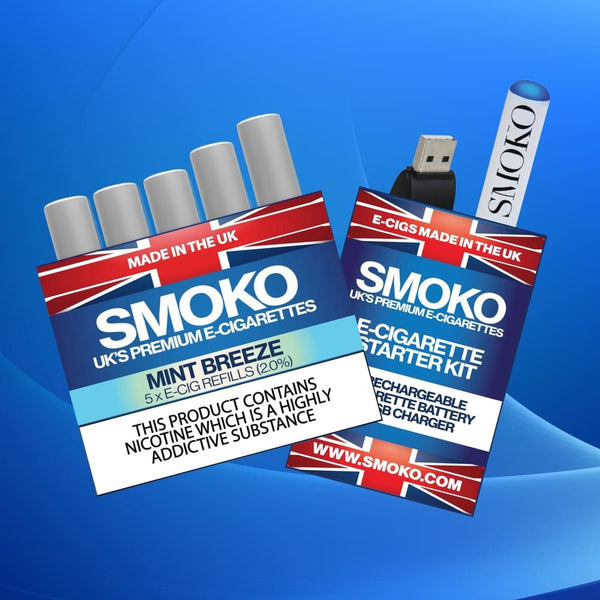
Vape devices from SMOKO are designed with user control in mind, featuring consistent delivery systems that help users maintain awareness of their consumption levels. The predictable performance helps establish regular usage patterns rather than erratic vaping behaviours.
Implementing Mindful Vaping Practices - Practical Tips
Mindful vaping involves conscious awareness of when, why, and how much you vape. Quitting or reducing vaping is a process that requires ongoing focus and the use of proven strategies to help you succeed. This approach transforms automatic behaviours into deliberate choices, significantly reducing the likelihood of over-consumption. There are also strategies to help cope with cravings and stress during this process, supporting you as you work towards healthier usage patterns. Developing mindfulness around vaping requires practice but yields substantial benefits for maintaining healthy usage patterns.
The Pause Technique
Before reaching for your device, implement a brief pause to assess your actual need versus habitual impulse. Decide to take this moment to reflect on whether you’re experiencing genuine nicotine craving, boredom, stress, or social pressure to vape. This simple check-in can prevent numerous unnecessary vaping sessions throughout the day.
During the pause, consider alternative activities that might address your underlying need. If you’re stressed, breathing exercises might be more beneficial than vaping. If you’re bored, try to distract yourself by engaging in a brief activity or playing a game, which could provide more lasting satisfaction than nicotine consumption.
Designated Vaping Times
Establishing specific times for vaping helps create structure and prevents continuous consumption throughout the day. Similar to scheduled meal times, designated vaping periods allow for satisfaction while maintaining control over frequency. Common approaches include vaping only during breaks at work, after meals, or during specific social situations.
This technique works particularly well for users transitioning from cigarettes, as it mirrors the structured smoking breaks they previously maintained. Gradually extending the time between designated vaping sessions and gradually reducing the frequency of use can further reduce overall consumption. Setting a quit date can also give you a clear distinction between your time as a vaper and as a non-vaper, providing a concrete goal for your cessation journey.
Choose A Different Flavour
One of the great things about vaping is the range of flavoured refills and e-liquids available. Finding a flavour that you love can go a long way toward helping you stay away from tobacco cigarettes.
Once this is accomplished and you are in the territory of vaping too much, then having a secondary flavour that you like less but still enjoy can help steer you down the path of reducing your vaping frequency. If you are going to be out for the day, consider taking only refills or e-liquid that fits this need. For example, if your favourite flavour is Raspberry due to the sweetness, consider choosing something that is less sweet - like Coffee!
Environmental and Social Strategies

Your environment and social circle significantly influence vaping behaviours. To rid yourself of temptation, keep vape devices out of sight by storing them in drawers or separate rooms. Changing routines that trigger vaping urges—such as switching from coffee to tea—can also help reduce cravings. Additionally, telling friends and family about your quitting journey can increase your chances of success by providing extra support. Creating supportive surroundings and establishing clear boundaries helps maintain responsible consumption patterns even when facing smoking/vaping triggers or peer pressure.
Creating Vape-Free Zones
Designating certain areas or times as vape-free establishes natural limitations on consumption. Consider making your bedroom, car, or workspace off-limits for vaping. Setting strict physical boundaries like these can help break habitual patterns. If you experience withdrawal symptoms when creating vape-free zones, consider using nicotine replacement therapy (NRT) to manage cravings and make the transition easier. These boundaries create automatic breaks in consumption patterns and help distinguish between necessary and habitual vaping.
Physical separation from your device during certain activities also reduces unconscious vaping. Leaving your device in another room while working, exercising, or spending time with family creates natural intervals and promotes mindful consumption decisions.
Social Accountability
Sharing your consumption goals with trusted friends or family members provides external accountability and support. If you want to quit or reduce vaping, talk openly about your reasons and motivation—expressing your desire to quit can help others understand and support your journey. Having someone aware of your intentions to moderate vaping creates additional motivation to maintain healthy habits. This person can also provide perspective when you’re unsure whether your consumption levels are appropriate.
Consider joining online communities focused on responsible vaping practices. According to research from the National Center for Biotechnology Information, social support significantly improves success rates for behaviour modification programs, including those related to nicotine consumption management. (4)
Tracking and Monitoring Consumption
Systematic tracking provides objective data about your vaping habits, revealing patterns that might not be apparent through casual observation. This information enables informed decisions about consumption adjustments and helps identify triggers for over-vaping behaviours.
Digital Tracking Methods
Smartphone apps designed for habit tracking can monitor vaping frequency, duration, and circumstances (5). Recording each vaping session with brief notes about your location, mood, and activity provides valuable insights into your consumption patterns. Many users discover they vape significantly more in certain environments or emotional states.
Tracking your vaping can be a powerful tool to support your quit attempt, helping you identify triggers and measure progress. Remember, it can take time to quit and lots of people don't make it the first time they try—it may take a few tries, and that's completely normal.
Simple tracking methods include noting the time and reason for each vaping session in a phone notepad or using tally marks on a piece of paper. The key is consistency rather than complexity - even basic tracking provides sufficient data for pattern recognition.
Physical Consumption Markers
Monitoring how quickly you consume pods, cartridges, or e-liquid bottles offers another consumption metric. Establishing baseline consumption rates helps identify when usage increases beyond normal levels. If you typically use one pod per week but suddenly need one every few days, this indicates increased consumption requiring attention.
Pre-portioning daily vaping supplies can also control consumption. Taking only what you intend to use for the day prevents unconscious overconsumption and creates natural stopping points when supplies are exhausted.
Developing Healthy Alternatives and Coping Strategies
Successfully preventing over-vaping often requires replacing excessive vaping behaviours with healthier alternatives. Understanding the underlying needs that vaping fulfills helps identify appropriate substitute activities that provide similar satisfaction without nicotine consumption.
Stress Management Alternatives

Many users turn to vaping for stress relief, leading to increased consumption during challenging periods. Developing alternative stress management techniques reduces reliance on vaping for emotional regulation. Effective alternatives include deep breathing exercises, brief walks in green spaces, stretching routines, or listening to calming music.
Using stress management techniques can help you cope with cravings and withdrawal, making it easier to avoid over vaping during stressful times.
Progressive muscle relaxation, mindfulness meditation, and guided imagery provide longer-term stress management benefits while reducing the impulse to vape during difficult moments. These techniques require practice but become increasingly effective over time.
Behavioural Substitutions
The hand-to-mouth action of vaping satisfies both oral fixation and habitual movement patterns. Healthy substitutes to put in your mouth include drinking water, chewing sugar-free gum, using stress balls, or engaging in fidget activities. Keeping your hands busy with stress balls, fidget toys, or hobbies like drawing and reading can help reduce the urge to vape. Engaging in physical activity or exercise, such as yoga, running, or swimming, is also an effective way to distract from cravings and manage withdrawal symptoms. Additionally, distracting yourself with activities or games is an effective way to manage cravings and avoid over vaping. These alternatives address the behavioural component of vaping without introducing nicotine.
For users who enjoy the ritual aspects of vaping, herbal teas or other warm beverages can provide similar comfort and routine satisfaction. The key is finding substitutes that genuinely satisfy the underlying need rather than creating additional problematic behaviours.
Professional Resources and More Support Options
When self-directed techniques prove insufficient, professional resources provide additional support and guidance. Healthcare providers, addiction counsellors, and specialised programs offer expertise in nicotine dependency management and behaviour modification strategies.
Seeking advice from a pharmacist or GP can provide tailored support to help you quit vaping or smoking. Pharmacists are trained to offer advice on managing cravings, recommend suitable nicotine products such as over-the-counter nicotine replacement therapy (NRT), and guide you through your cessation journey. People quit smoking and vaping more successfully with professional help, as NRT is most effective when combined with support from a health professional. Prescription medications like varenicline may also help reduce the pleasure associated with vaping, and your GP can advise if these are appropriate for you.
The NHS provides comprehensive guidance on using e-cigarettes responsibly and recognising when usage becomes problematic. Their resources include information about local support services and evidence-based strategies for managing nicotine consumption. (6)
Consulting with healthcare providers helps rule out underlying conditions that might contribute to excessive vaping behaviours. Medical professionals can also provide personalised recommendations based on your health history and current consumption patterns.
Long-Term Maintenance and Success Strategies
Preventing over-vaping requires ongoing attention and periodic reassessment of your consumption patterns. Successful long-term management involves regularly evaluating your habits, adjusting strategies as needed, and maintaining awareness of potential triggers for increased consumption.
Regular self-assessment helps identify gradual increases in consumption before they become problematic. Monthly reviews of your tracking data, consumption rates, and overall satisfaction with your vaping habits provide opportunities for course correction when necessary.
Celebrating small milestones as you move forward in your quitting journey can help keep you motivated—each achievement brings you a step closer to your goal. Celebrating successes in maintaining responsible consumption reinforces positive behaviours and builds confidence in your ability to control vaping habits. Recognising improvements in your relationship with vaping motivates continued adherence to healthy consumption practices and helps you stay focused on future goals.
Techniques To Prevent Over-Vaping - Conclusion
Remember that occasional increases in consumption during stressful periods or life changes are normal and temporary. The key is recognising these fluctuations and implementing strategies to return to baseline consumption levels once circumstances improve.
By implementing these comprehensive techniques and maintaining awareness of your consumption patterns, you can enjoy vaping while avoiding the pitfalls of over-consumption. SMOKO’s commitment to quality UK-made products supports responsible vaping practices through consistent performance and reliable nicotine delivery, helping users maintain control over their consumption habits. Our choice to use freebase nicotine instead of nic salts provides a throat hit that can help to prevent over-vaping, too!
If you are a smoker looking to quit, then check out the SMOKO E-Cig & Vape Starter Kit Deals and make the switch today
FAQs: Techniques To Prevent Over-Vaping
What is over-vaping?
Over-vaping happens when you use a vape more frequently than intended, often out of habit rather than nicotine need.
Why do people over-vape?
Common triggers include stress, boredom, strong flavours, or using a nicotine strength that’s too low for your needs.
How can I tell if I’m over-vaping?
Signs may include headaches, dizziness, throat irritation, or feeling the urge to vape constantly without satisfaction.
Does lowering nicotine help prevent over-vaping?
It can—gradually adjusting your nicotine strength may reduce cravings and help you vape more intentionally.
Are there simple ways to vape less?
Yes. Setting usage limits, taking regular breaks, and replacing habitual vaping with other routines can make a big difference. When you try to cut down or quit, expect some withdrawal symptoms and psychological cravings—these are normal parts of the process. Proven strategies such as using nicotine replacement, seeking support, and building new habits can help manage these challenges.
References
(1) WHO: Tobacco
(2) NHS - Managing nicotine withdrawal symptoms
(3) Using Nicotine Replacement Therapy
(4) The Case in Favor of E-Cigarettes for Tobacco Harm Reduction
(5) Puff Count: Frequently Asked Questions
(6) NHS - Using e-cigarettes to stop smoking
ABOUT THE AUTHOR
Written by Dan Overgage
Dan Overgage is a former smoker of 10 years until he became a client of SMOKO E-Cigarettes. Dan started working with SMOKO 6 years ago after successfully quitting using our e-cigarettes and works across our Customer Service and heads up our content creation and research with a strong focus on all things quitting smoking. During his tenure with SMOKO, Dan has written countless blogs and consults with countless clients every day to help them to stay smoke-free.
Last updated 30/01/2026