Table of Contents
- Key Takeaways
- How Cytisine Helps You Quit Smoking
- Proper Use of Cytisine for Quitting Smoking
- Managing Cravings and Withdrawal Symptoms
- Potential Side Effects of Cytisine
- Addressing Weight Gain Concerns
- Cytisine Suitability and Precautions
- Enhancing Your Chances of Quitting Smoking
- Where to Buy Cytisine Online
- Top Solution To Quit Smoking - SMOKO
- Frequently Asked Questions
- What happens if you smoke while taking cytisine?
- What are the risks of cytisine?
- Can you buy cytisine in the UK?
- How does Cytisine help in quitting smoking?
- What is the proper dosing schedule for Cytisine?
- References
Key Takeaways
-
Cytisine is an effective smoking cessation aid, mimicking nicotine’s effects to ease cravings and withdrawal symptoms.
-
Following the proper dosing schedule and setting a quit date are crucial steps in maximising Cytisine’s effectiveness for quitting smoking.
-
Combining Cytisine with behavioural support and seeking professional help can significantly enhance the chances of successfully quitting smoking. Don't combine with smoking or E-Cigarettes.
Cytisine is a natural compound proven to help people stop smoking cytisine by targeting nicotine receptors, which reduces cravings and withdrawal symptoms. Studies indicate it can be as effective as nicotine replacement therapies. In this article, you’ll learn how Cytisine works, how to use it properly, and what to expect during your quit-smoking journey.
How Cytisine Helps You Quit Smoking
Have you ever wondered why quitting smoking is so difficult? The answer lies in the powerful grip of nicotine on your brain (1). Cytisine steps in as a hero by targeting the same receptors in the brain that nicotine does, effectively mimicking its effects. This means that when you take Cytisine, it binds to these receptors, helping to alleviate those pesky cravings that make quitting so challenging.
But how does Cytisine compare to traditional nicotine replacement therapies? Studies have shown that Cytisine is just as effective, if not more so, at helping people quit smoking (2). Cytisine works by reducing the intensity of withdrawal symptoms and making cravings more manageable, significantly enhancing your chances of quitting smoking successfully. Imagine no longer being at the mercy of nicotine cravings and feeling empowered to take control of your health. In the discussion of cytisine versus nicotine, it’s clear that both have their merits.
Cytisine’s effectiveness isn’t just a theory, it’s backed by evidence. This treatment has been shown to be a beneficial option for those looking to stop smoking, making it easier to overcome addiction. Cytisine offers a promising solution for anyone ready to quit smoking by mimicking nicotine and reducing cravings, helping you embrace a healthier lifestyle.
Proper Use of Cytisine for Quitting Smoking
Proper use of Cytisine is essential for its effectiveness in aiding smoking cessation. Key components include:
-
Following a specified dosing schedule
-
Planning your quit date
-
Regular intake of Cytisine according to the dosing instructions These steps can significantly improve your chances of quitting smoking successfully.
Understanding the dosing schedule and the importance of setting your quit date is crucial.
Dosing Schedule and Instructions
The Cytisine treatment involves a 25-day regimen with a total of 100 tablets. Key instructions include (3):
-
During the initial days, take a tablet every 2 hours, with six tablets daily.
-
Take Cytisine with water.
-
Avoid doubling up on doses if you miss one.
-
Completing the full course of treatment is vital to maximise its effectiveness.
As you progress through the treatment, the dosing schedule will lead to a gradual reduction in the number of tablets a day you need to take. This systematic approach helps your body adjust, reducing the likelihood of intense withdrawal symptoms and increasing your chances of a successful quit attempt. Remember, following the dosing schedule diligently is key to achieving the best results.
Setting Your Quit Date
Establishing a quit date is a critical step in your journey to stop smoking. For optimal results:
-
Set your quit date no later than the fifth day of starting Cytisine.
-
This planned quit date ensures that you align the peak effectiveness of Cytisine with your quitting efforts.
-
Aligning these factors maximises your chances of success.
Continuing to smoke while taking Cytisine can lead to adverse reactions; therefore, stop smoking by the fifth day of treatment. Committing to a quit date and sticking to it sets a clear goal and boosts your motivation to quit smoking for good.
Remember, every step you take towards your quit date is a step closer to a healthier, smoke-free life.
Managing Cravings and Withdrawal Symptoms
Cravings and withdrawal symptoms are significant hurdles in the journey to quit smoking. Common triggers for nicotine cravings include stress, situations associated with smoking, and seeing others smoke. To manage these cravings and withdrawal symptoms, keep your hands and mouth busy with alternatives like chewing gum or holding a stress ball. Mindfulness and effective craving management strategies are vital for quitting success, especially when dealing with nicotine dependence and nicotine withdrawal symptoms.
Behavioural strategies play a key role in managing cravings and withdrawal symptoms. These include:
-
Identifying your triggers and having a support network to increase your likelihood of quitting.
-
Engaging in physical activity to help manage weight and alleviate cravings to relieve cravings.
-
Planning healthy meals in advance to counteract the urge to indulge in unhealthy foods.
Seek immediate support from a healthcare professional if you experience mood changes or thoughts of self-harm while using Cytisine. Remember, it’s crucial to avoid smoking while on Cytisine to prevent adverse reactions. By adopting these strategies, you can effectively manage cravings and withdrawal symptoms, making your journey to quit smoking smoother and more successful.
Potential Side Effects of Cytisine
Like any medication, Cytisine comes with potential side effects affecting. Common side effects include:
-
dizziness
-
sleep disturbance
-
fatigue
These side effects are reported by more than 10% of people taking Cytisine (4). Most adverse reactions usually happen within the first few days of starting the treatment. Fortunately, they often resolve quickly, including dizziness mood changes and dizziness mood.
Other side effects may include heartburn, changes in heart rate, and skin rashes. Nausea, vomiting, and headaches are also mild side effects that can often be managed at home. Seek immediate medical advice and stop taking Cytisine if you experience severe side effects or overdose symptoms, such as feeling unwell or experiencing convulsions.
Seek professional help if you experience side effects such as blurred vision - firstly, consult your GP or prescriber for advice. In many cases, most of the side effects improve as your body adjusts to the medication, but understanding and managing potential side effects can help you stay on track with your quitting journey, as neglecting them may lead to risk worsening.
Addressing Weight Gain Concerns
Weight gain is a common concern for many people who quit smoking. Nicotine acts as an appetite suppressant, and stopping smoking can lead to an increase in appetite and food intake. It’s not uncommon to gain between 5 to 10 pounds in the months following smoking cessation (5). Choosing to eat instead of smoking can lead to weight gain, as well as improved enjoyment from the taste of food as the olfactory system recovers. This choice may have unintended consequences for your health.
To manage weight gain while quitting smoking, consider the following steps:
-
Incorporate physical activity into your routine to help burn calories and alleviate cravings.
-
Plan healthy meals in advance to avoid the temptation of unhealthy snacks.
-
Be mindful of these changes and take proactive steps to manage weight gain effectively.
Cytisine Suitability and Precautions
Before starting Cytisine, it’s essential to determine if it’s suitable for you. A medical questionnaire will help assess your health status and ensure that medicines cytisine is a safe option for you. Cytisine is a prescription-only medication in the UK and cannot be purchased over the counter.
After placing an order, a doctor will review your request and provide alternative treatments if necessary.
Who Should Avoid Cytisine
Certain individuals should avoid taking Cytisine, especially:
-
Those with liver problems
-
Those with kidney problems
-
Those with heart problems
-
Those with a history of stroke
-
Pregnant women or breastfeeding women due to potential risks
It’s crucial for individuals with these health conditions to seek medical advice before starting Cytisine.
People with psychiatric disorders should consult with a healthcare provider before taking Cytisine to ensure it’s safe for them. Awareness of these precautions allows for informed decisions about your treatment and helps avoid potential risks.
Interactions with Other Medications
Cytisine can interact with certain medications, so it’s important to be cautious. Avoid using anti-tuberculosis drugs, theophylline, clozapine, and ropinirole while taking Cytisine. If you’re taking insulin, warfarin, or theophylline, consult your GP for dose adjustments when quitting smoking.
Additionally, Cytisine can reduce the effectiveness of hormonal contraceptives (6), so it’s advisable to use additional barrier methods to prevent pregnancy. Understanding these interactions helps avoid adverse reactions and ensures a safe and effective treatment journey.
Enhancing Your Chances of Quitting Smoking
Enhancing your chances of quitting smoking involves adopting mindful practices and effectively managing cravings. Recognising cravings and having a support network significantly increase your likelihood of quitting successfully.
Evidence indicates that behavioural support can be instrumental in helping smokers to quit. Finding online groups of other quitters, online forums of quitters and ex-smokers, or even using the NHS Quit Smoking app can help you feel like you're not alone and provide emotional support to stay strong.
If you don’t succeed the first time, it’s essential to try again, learning from previous experiences.
Combining Cytisine with Other Cessation Methods
Using Cytisine in combination with other cessation methods can lead to higher success rates. Using Cytisine alongside behavioural support significantly boosts the likelihood of quitting smoking. In fact, Cytisine combined with behavioural support doubles the likelihood of quitting compared to using Cytisine alone.
Counselling combined with Cytisine treatment can enhance your chances of successfully quitting smoking. Combining Cytisine with other smoking cessation methods increases the likelihood of achieving a smoke-free life.
Seeking Support
Healthcare professional support has been shown to enhance quitting success. They can offer personalised advice and encouragement to help you stay on track. Accessing nicotine-free medicines for quitting smoking through a prescription from your GP or local Stop Smoking Service can also be beneficial, helping smokers quit.
Individuals with a history of psychiatric illness should seek advice before using Cytisine for quitting smoking. You should seek support, as it significantly enhances the likelihood of successfully quitting smoking. Remember, you’re not alone in this journey—reach out for support to improve your chances of success.
Where to Buy Cytisine Online
In the UK, Cytisine is available only with a prescription. You can obtain Cytisine tablets through online services like Asda Online Doctor after a health assessment. The order can be delivered discreetly to your home or collected from a local pharmacy.
This convenient option ensures you can access the treatment you need to quit smoking.
Top Solution To Quit Smoking - SMOKO
Cytisine offers a promising solution for those looking to quit smoking. By mimicking nicotine and reducing cravings, it helps alleviate withdrawal symptoms and significantly increases your chances of quitting successfully. Following the proper dosing schedule, setting a quit date, and managing cravings are crucial steps in this journey.
Remember to consult with a healthcare professional to ensure Cytisine is suitable for you and to seek support throughout your treatment. Whether you’re combining Cytisine with other cessation methods or accessing support from healthcare professionals, these strategies can enhance your chances of quitting smoking for good.
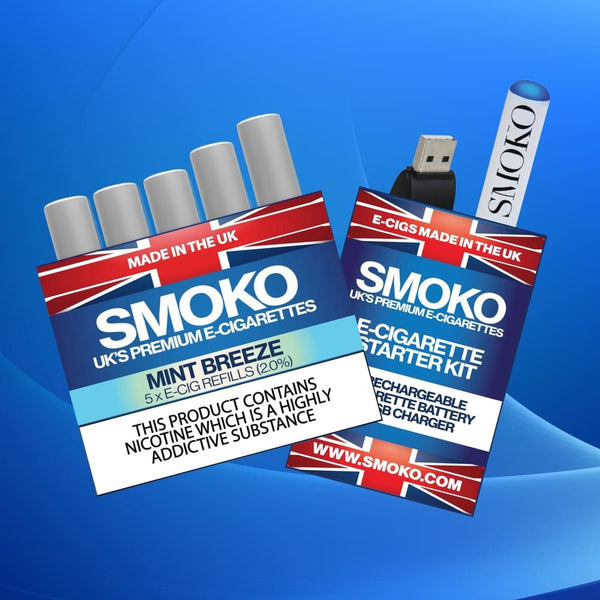
If you are a smoker looking to quit, and an individual not suited to use cytisine tablets (as listed above), or someone who has tried quitting with cytisine and failed, then E-Cigarettes could be the solution for you. By providing a way to consume nicotine that is 95% less harmful than smoking, that also satisfies the oral fixation associated with smoking, E-Cigarettes have been shown to be more effective for quitting smoking than traditional forms of nicotine replacement therapy!
Check out the SMOKO E-Cig & Vape Starter Kits and make the switch for a healthier lifestyle today!
Frequently Asked Questions
What happens if you smoke while taking cytisine?
Smoking while taking cytisine can worsen adverse reactions, so it's crucial to stop smoking no later than the fifth day of treatment.
What are the risks of cytisine?
Cytisine carries risks such as changes in appetite, weight gain, dizziness, irritability, anxiety, hypertension, dry mouth, and sleep disorders, among others. It's important to monitor these potential side effects while using this medication.
Can you buy cytisine in the UK?
You can obtain cytisine in the UK, but it requires a prescription since it is approved as a medication to aid smoking cessation.
How does Cytisine help in quitting smoking?
Cytisine aids in quitting smoking by mimicking nicotine, binding to brain receptors to alleviate cravings and withdrawal symptoms. This mechanism can significantly ease the cessation process for individuals trying to quit.
What is the proper dosing schedule for Cytisine?
The proper dosing schedule for Cytisine is a 25-day regimen starting with six tablets per day, taken two hours apart, and gradually decreasing the dosage over time. Following this schedule is essential for optimal results.
References
(2) Cytisine versus Nicotine for Smoking Cessation
(4) Stop Smoking Service – Cytisine
(5) Medline Plus: Weight gain after quitting smoking: What to do
(6) NICE - Cytisinicline: Interactions
ABOUT THE AUTHOR
Written by Dan Overgage
Dan Overgage is a former smoker of 10 years until he became a client of SMOKO E-Cigarettes. Dan started working with SMOKO 6 years ago after successfully quitting using our e-cigarettes and works across our Customer Service and heads up our content creation and research with a strong focus on all things quitting smoking. During his tenure with SMOKO, Dan has written countless blogs and consults with countless clients every day to help them to stay smoke-free.
Last updated 19/11/2025