Table of Contents
Key Takeaways
-
Core Function – The atomiser is the heart of a vape device, heating e-liquid into vapour for inhalation.
-
Types of Atomisers – Different styles, such as disposable, replaceable coil, and rebuildable atomisers, offer varying levels of convenience, cost, and control.
-
Impact on Experience – The atomiser directly affects vapour production, flavour quality, and overall vaping satisfaction.
Ever heard the term atomiser and wondered what on earth it is? Chances are you've used one today without even realising. An atomiser is simply a device that takes a liquid and turns it into a fine mist or spray (1). You see this technology everywhere, from a perfume bottle to, of course, an E-Cigarette or vape, where it’s the magic component that turns e-liquid into vapour.
The Power of Turning Liquid Into Mist
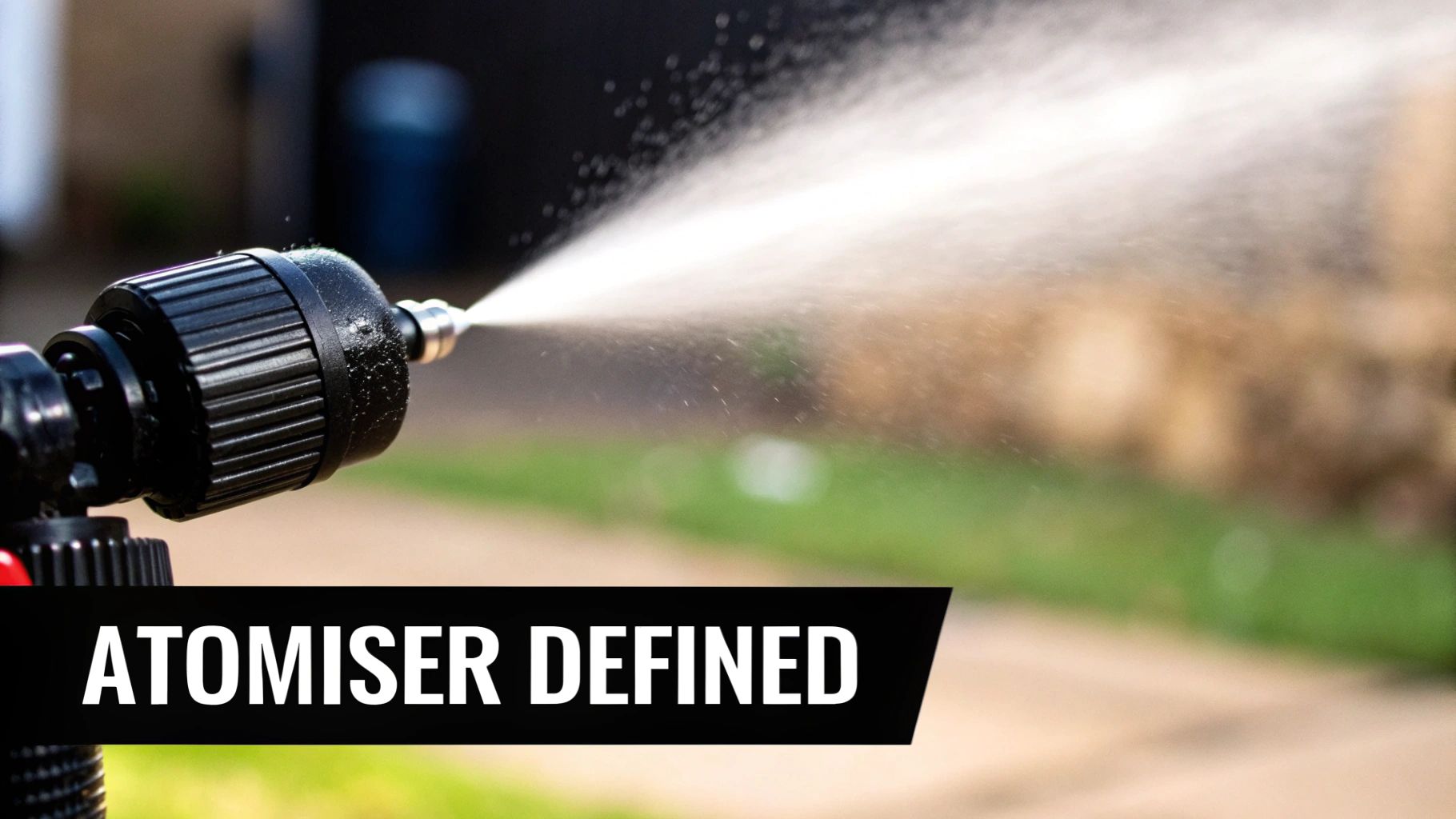
Think about using a garden hose. You can adjust the nozzle from a solid jet of water to a wide, gentle mist. That, in a nutshell, is atomisation. The nozzle forces the water through a tiny hole under pressure, which breaks the liquid apart into countless tiny droplets (2). An atomiser in a vape works on the very same principle, just on a much smaller, more refined scale.
This process is the secret behind a huge range of products. Its main job is to massively increase the surface area of a liquid, which helps it evaporate faster, spread over a bigger area, or react more effectively. Without atomisation, things like spray paint, fuel injectors, and even your trusty can of deodorant just wouldn't work.
To put it in simple terms, here's a quick look at the core concept.
The Atomiser At a Glance
|
Concept |
What It Does |
Common Examples |
|---|---|---|
|
Atomisation |
Turns a bulk liquid into a fine mist or spray. |
Perfume bottles, spray paint cans, car fuel injectors, E-Cigarettes. |
As you can see, it's a fundamental piece of engineering that we often take for granted.
Why Is Atomisation So Useful?
Being able to create a fine spray from a liquid unlocks some major benefits, making it a cornerstone of modern tech.
-
Efficient Coverage: A mist coats a surface far more evenly and with less waste than a direct stream. This is essential for things like painting or applying agricultural treatments.
-
Rapid Evaporation: Smaller droplets have a much larger combined surface area, allowing them to turn into vapour much more quickly. This is the whole point in E-Cigarettes and humidifiers.
-
Controlled Delivery: Atomisers allow for incredibly precise delivery, whether it's the exact amount of fuel an engine needs or medication from a medical inhaler.
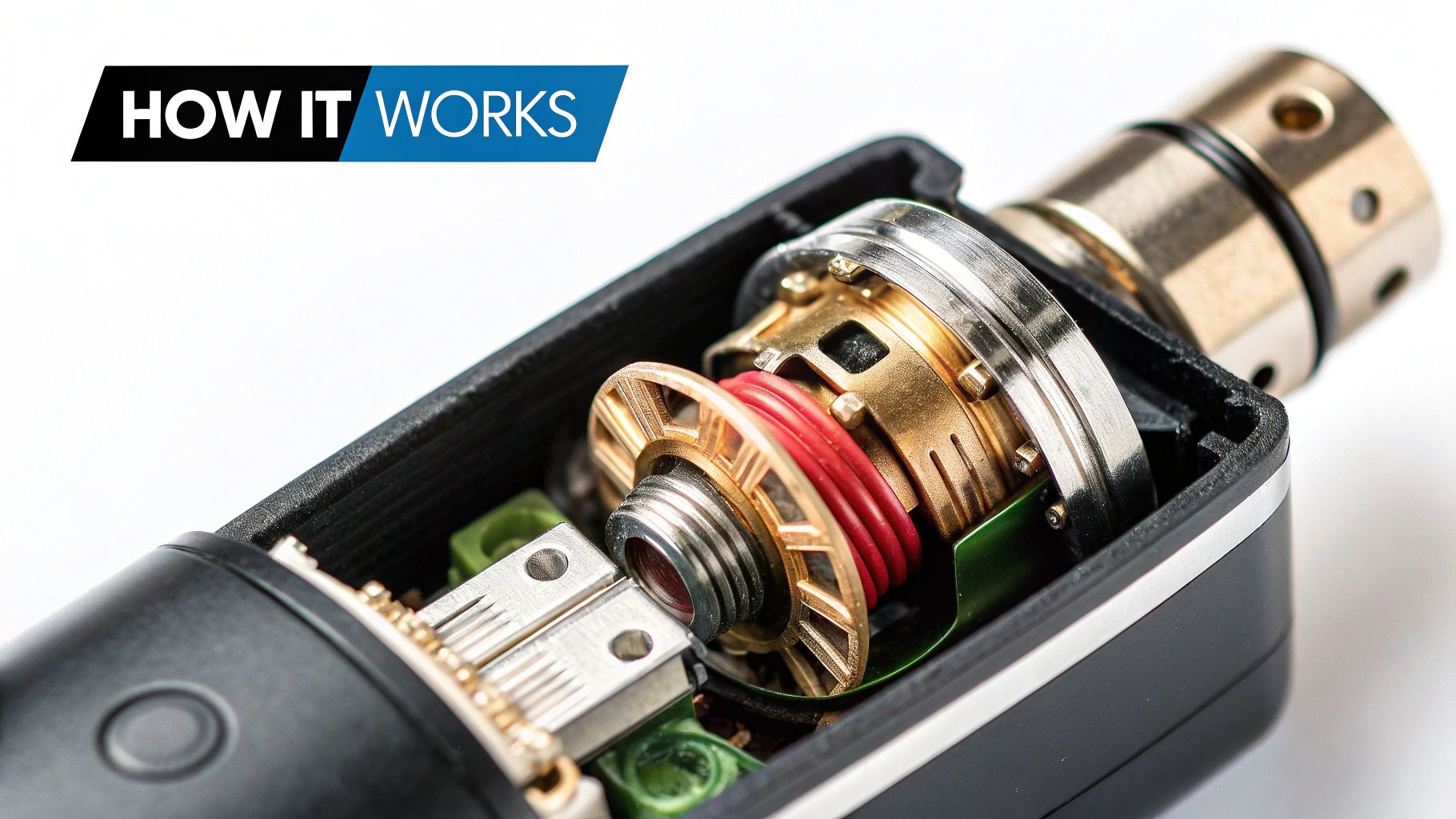
The atomiser is the part of your vape that turns e-liquid into vapour. It usually consists of a metal coil and a wick, and it sits inside your tank or pod.
In the world of vaping, the atomiser is the engine of the entire device. It’s the component responsible for heating the e-liquid to the perfect temperature to create that satisfying vapour (3). The quality of the atomiser directly shapes your entire vaping experience.
To get a better idea of the ingredients it works with, you can explore our guide on what’s inside SMOKO E-Cigarettes and E-Liquids.
How Atomisers Create a Fine Mist
At its heart, atomisation is a fascinating little tug-of-war between raw pressure and a liquid's natural urge to stick together. To get your head around what an atomiser is actually doing, just picture trying to force water through a pinhole. The whole magic trick relies on two key players working together: pressure and a tiny opening, known as an orifice.
Every liquid has something called surface tension. Think of it as the liquid's molecules all holding hands, determined to stay together (4). Atomisation is simply the process of breaking that chain. When a liquid gets forced under pressure through a minuscule nozzle, it shoots out at incredible speed. This sudden, intense force is too much for the surface tension to handle, and the stream of liquid shatters into millions of tiny droplets.
A simple aerosol can is a perfect example. When you press the button, a valve opens, and the pressurised contents rush towards that tiny hole in the nozzle. The second the liquid escapes into the open air, it disintegrates into the fine, even mist you see. This is the same principle you'll find in everything from a can of spray paint to a bottle of perfume.
The Physics of the Spray
How fine the mist is often comes down to one thing: pressure. In our homes, for example, just think about how a showerhead works. Higher pressure generally leads to smaller droplets and a much finer spray. There are all sorts of straightforward ways of optimising water pressure for a finer mist in everyday gadgets.
This link between the pressure and the size of the droplets is absolutely vital for the device to do its job properly.
-
Low Pressure: Tends to produce bigger droplets, an uneven spatter, or sometimes just a sad little dribble of liquid.
-
High Pressure: This is what really shatters the liquid, creating a suspended cloud of fine particles that can cover a big area or evaporate in a flash.
The goal of any atomiser is to break a liquid's surface tension by forcing it through a small orifice at high speed. This mechanical shearing action is what creates a mist from a liquid.
When you get right down to it, the whole process is just a controlled, incredibly fast decompression. By carefully tweaking the pressure and the size of that tiny orifice, engineers can design atomisers that produce a very specific droplet size and spray pattern—perfectly suited for its job, whether that's delivering fuel into an engine or vapour from an E-Cigarette.
The Core Components Inside Every Atomiser
While atomiser designs can vary wildly, from a simple perfume bottle to a complex fuel injector, they're almost all built from the same fundamental parts. Understanding these core components helps to demystify (or, in this case, de-mist-ify) how an atomiser actually works, revealing the clever engineering packed into such a small device.
Each part has a specific job, and they all have to work together perfectly to create that consistent, fine mist. At the most basic level, you always have three elements: something to hold the liquid, a way to move it, and a nozzle to break it apart.
Think of it like a simple water pistol. You have the reservoir for the water, the trigger mechanism that forces it forward, and the tiny hole at the end that creates the spray. Every atomiser, no matter how advanced, follows this same core principle.
Anatomy Of A Standard Atomiser
To see how these parts function in the real world, let's break them down. The table below outlines the essential anatomy of a typical atomiser, describing what each component does and the materials commonly used to build them.
|
Component |
Primary Function |
Common Materials |
|---|---|---|
|
Nozzle (Orifice) |
Shapes the spray and breaks the liquid into tiny droplets. |
Stainless Steel, Brass, Plastic, Ceramic |
|
Liquid Feed |
Supplies the fluid from the reservoir to the nozzle. |
Plastic Tubing, Wicking Material (Cotton) |
|
Energy Source |
Creates the pressure or heat needed to force the liquid through the nozzle. |
Manual Pump, Pressurised Gas, Heating Coil |
As you can see, the components themselves are quite straightforward. It's how they are combined and powered that makes all the difference.
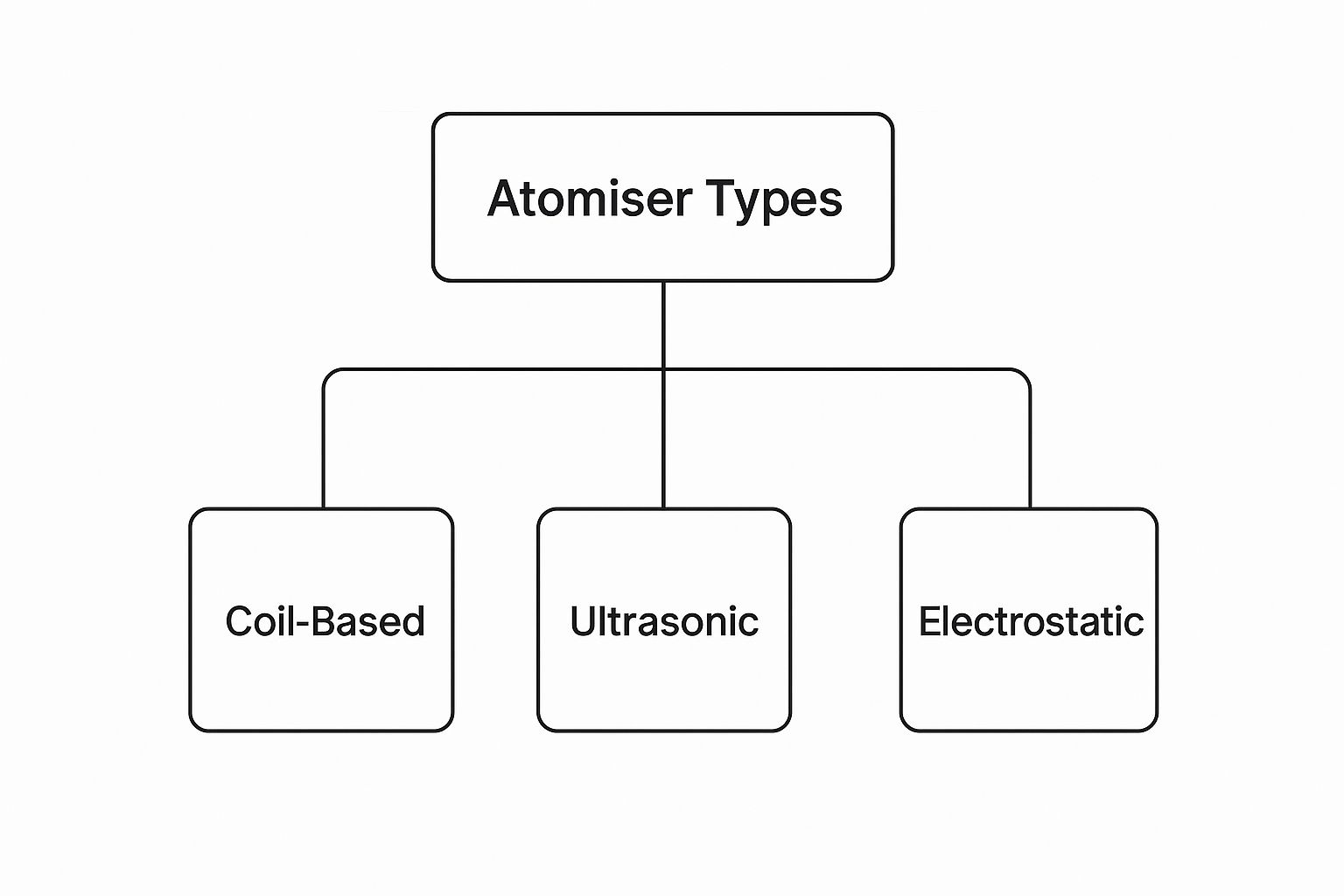
This diagram shows that atomisers are really just categorised by how they apply energy—whether it’s through heat, vibration, or an electrical charge. This is the key difference that makes one atomiser perfect for creating vapour and another for painting a car.
For vapers, the coil-based system is the most important one to understand as it uses heat to achieve atomisation. Each type uses the same core components, but simply adapts the energy source for a specific outcome.
Common Types of Atomisers You See Daily
The principle of atomisation is one of those hidden workhorses powering countless devices we use every day without a second thought. While the basic idea is always the same—turning a liquid into a fine mist—the design of an atomiser changes dramatically depending on its specific job. One size certainly does not fit all in the world of spray technology.
You can see this variety in action just by looking around your house. That simple trigger sprayer on a bottle of window cleaner? It uses a manual pump to force liquid through a nozzle. The design is cheap, reliable, and perfect for creating the wide, wet spray you need for cleaning surfaces.
This humble trigger sprayer is a cornerstone of the consumer goods industry. In fact, the global market for them was valued at about $2.5 billion and is expected to grow, which just goes to show how common this simple bit of tech really is in our lives. (5)
Precision Sprayers for Specialised Tasks
Once you move beyond simple cleaning, atomisers get a lot more specialised. An industrial paint sprayer, for instance, is a marvel of precision engineering. It uses high pressure, often from compressed air, to create an incredibly fine and uniform mist. This ensures an even, flawless coat of paint without any drips or runs—something a simple trigger sprayer could never hope to achieve.
In the same way, other devices are designed for specific environmental needs. Many appliances built for home humidity control use atomisers to disperse a fine water vapour, helping to maintain the perfect moisture level in a room.
An atomiser's design is always a trade-off between cost, complexity, and the type of spray you want. The goal is to match the droplet size and spray pattern perfectly to the task at hand.
The Specialised World of E-Cigarette Atomisers
The atomiser tucked away inside an E-Cigarette is perhaps one of the most specialised types of all. Unlike a paint sprayer that relies on pressure, a vape atomiser uses heat. Its job isn't just to create a mist, but to heat a specific liquid—the e-liquid—to the precise temperature needed for vaporisation, all without actually burning it.
This requires a delicate balance of materials and clever engineering:
-
A heating element (the coil) provides the energy.
-
A wicking material draws the e-liquid onto the coil.
-
The overall design works to produce a consistent and flavourful vapour.
This specialised function is why you can't just swap one type of atomiser for another. The technology has to be perfectly tailored to its purpose, whether that’s painting a car or enjoying a satisfying vape. If you're curious about the practical side of vaping, check out our vaping guide for pubs, clubs, and restaurants.
The Atomiser's Role in SMOKO E-Cigarettes
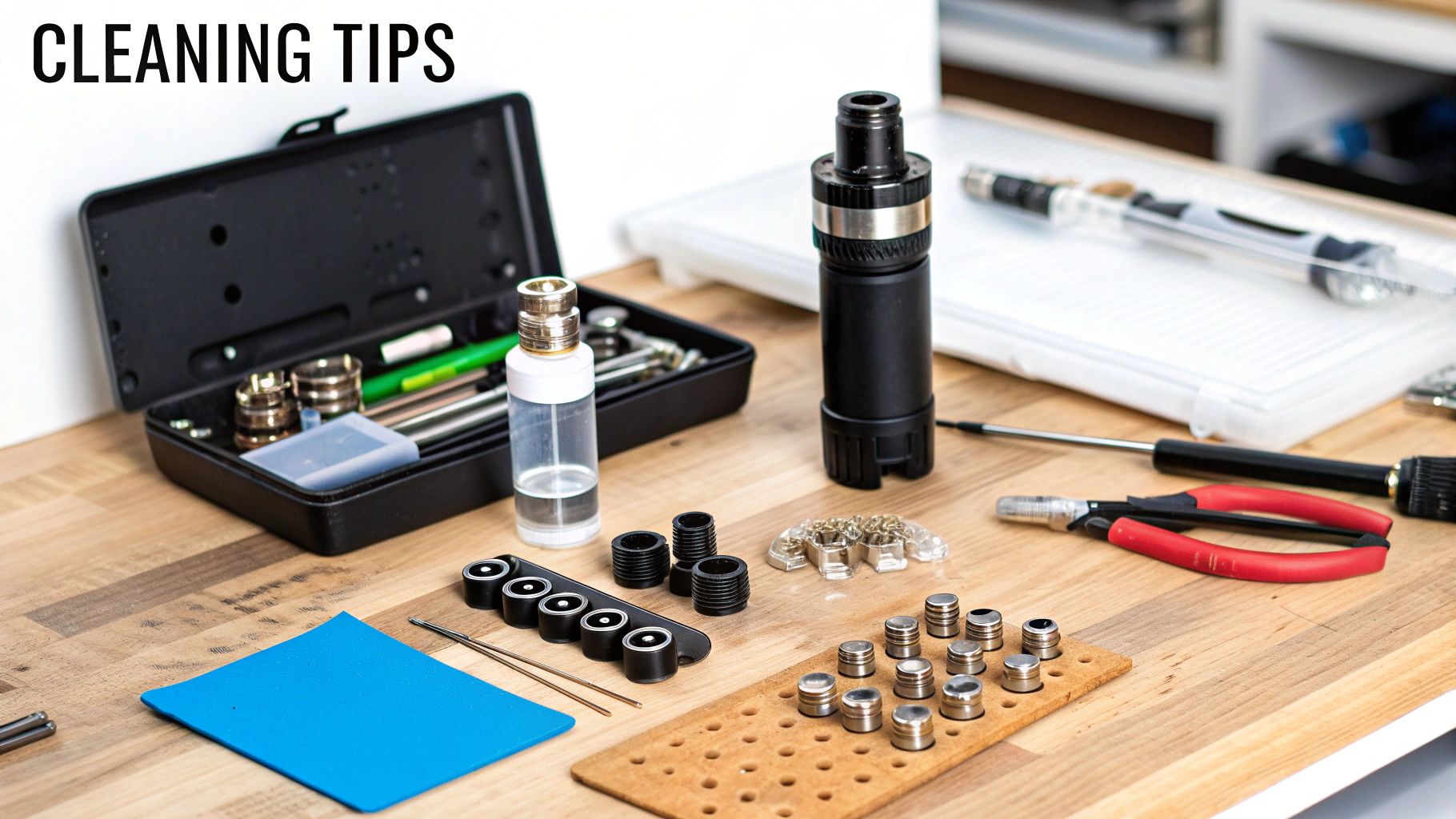
When you get right down to it, the atomiser is the heart of any vape. For SMOKO E-Cigarettes and Vapes, it's the tiny engine that gets everything done, turning our great, UK-made e-liquids into the smooth and satisfying vapour you're looking for.
A vape atomiser—often just called a coil—works by using heat. Its job is to bring the e-liquid to a very specific temperature, one that’s been carefully worked out to create a rich vapour without ever actually burning anything. This is the fundamental difference that separates vaping from smoking.
Getting this heating process just right is vital for keeping the authentic flavour of the e-liquid and delivering nicotine properly. If it’s too cool, you’ll get a weak, unsatisfying vapour. Too hot, and you risk burning the liquid, which tastes awful. The quality of that little atomiser has a direct impact on every single puff.
How SMOKO Perfects the Vapour
Here at SMOKO, we’ve put a lot of work into our atomisers to make sure they deliver a consistent, top-quality performance from the first puff to the last. We know our customers want pure flavour and reliable vapour, every time.
To make that happen, we concentrate on two main things:
-
Material Quality: The coil and the wicking material inside every SMOKO refill are specifically chosen for their ability to heat up evenly and soak up e-liquid efficiently. This simple step helps prevent nasty "dry hits" and makes sure you only taste the pure flavour of the liquid.
-
Integrated Design: Our atomisers are built right into each E-Cigarette and VAPE POD refill. This brilliant bit of design means you get a brand-new, perfectly working atomiser every time you pop in a fresh refill. It completely does away with any need for messy maintenance, cleaning and changing or cleaning your coils yourself.
The real secret to a great vape is consistency. By putting a fresh atomiser into every single refill, SMOKO guarantees a perfect experience every time. It removes all the guesswork and hassle of replacing coils yourself.
Vape atomisers are a clever bit of technology that has become more and more popular across the UK, matching the huge growth of the vaping market itself. As the tech gets better, people rightly expect a better vaping experience, which pushes for even more innovation. You can learn more about the growing global market for vape atomisers.
This commitment to a high-quality, built-in atomiser is why SMOKO products offer such a consistently satisfying alternative for adult smokers. It’s simple, it’s effective, and it’s designed to work perfectly, straight out of the box.
A Few Common Questions About Atomisers
So, we've covered the basics of what an atomiser is, but you might still have a few practical questions kicking around. That's perfectly normal. Let's tackle some of the most common queries people have, especially when it comes to vaping. Getting these straight will help you have a much better experience with your device.
A big one for new vapers is figuring out how long the core parts last.
How Often Should I Replace My Vape Atomiser?
With most vape kits, you'll find the atomiser coil needs replacing every 1 to 2 weeks. You'll know it's time for a change when the flavour starts to taste a bit burnt, the vapour seems weaker than usual, or you hear a funny gurgling sound.
With SMOKO, that's something you never have to worry about. We build the atomiser directly into each refill, so you get a brand new, perfectly performing one every single time. No guesswork, no hassle.
Another thing people often wonder is if they can mix and match parts from different products.
No, atomisers are not interchangeable. They are purpose-built for their specific job. The atomiser in a perfume bottle is designed to create a very fine, delicate mist. A vape atomiser, on the other hand, is engineered to heat e-liquid to a very specific temperature to create vapour without ever burning it. They simply aren't one-size-fits-all.
This specialisation is key for both safety and getting a good vape. The technology has been the subject of a lot of discussion, and you can get a deeper insight by reading about the Vaporized documentary from CNBC.
Can I Clean A Vape Atomiser?
For some of the more complex vape mods aimed at hobbyists, you might find rebuildable atomisers that can be cleaned by an expert. But for the vast majority of user-friendly vapes, this isn't a standard or recommended practice.
The atomisers in SMOKO E-Cigarettes are designed to be part of the pre-filled refill for a reason. This system puts hygiene, simplicity, and consistent performance first. Instead of fiddling with cleaning, you just pop in a new refill. It's our way of guaranteeing a perfect, maintenance-free vape every single time, so your experience is always top-notch.
Ready for a simpler, hassle-free vaping experience? At SMOKO, our products feature a fresh atomiser in every refill, guaranteeing a perfect vape every time. Discover the difference at https://smoko.com.
REFERENCES
(1) Cambridge Dictionary: Atomizer
(2) Science Direct: Atomization
(5) Trigger Spray Bottle Market Growth Driven by PET & Home Care Demand
ABOUT THE AUTHOR
Written by Dan Overgage
Dan Overgage is a former smoker of 10 years until he became a client of SMOKO E-Cigarettes. Dan started working with SMOKO 5 years ago after successfully quitting using our e-cigarettes and works across our Customer Service and heads up our content creation and research with a strong focus on all things quitting smoking. During his tenure with SMOKO, Dan has written countless blogs and consults with countless clients every day to help them to stay smoke-free.
Last updated 04/09/2025