Table of Contents
- Key Takeaways
- Understanding Why Quitting Smoking Is Challenging
- Quitting Methods: From Cold Turkey to Nicotine Replacement Therapy NRT
- E-Cigarettes: A Modern Approach to Help You Quit Smoking
- Creating Your Personalized Quit Plan
- Coping Strategies to Help You Quit and Manage Nicotine Cravings
- Maintaining Long-Term Success
- Conclusion
- Frequently Asked Questions
- References
Key Takeaways
-
The best way to stop smoking depends on the individual, with options including nicotine replacement therapy (NRT), stop-smoking medicines, behavioural support and nicotine e-cigarettes.
-
Nicotine e-cigarettes or vapes can be an effective quitting tool for adult smokers, helping manage nicotine cravings and the familiar hand-to-mouth habit without burning tobacco.
-
A personalised quit plan can improve your chances of becoming smoke-free, especially when you identify smoking triggers, prepare for cravings and choose a quitting method that works for you.
Quitting smoking is one of the most impactful decisions you can make for your health and finances. With millions of smokers worldwide seeking effective solutions, understanding the best approaches to becoming smoke-free has never been more important. Whether you've tried to quit before or you're considering it for the first time, this comprehensive guide will walk you through proven strategies and modern solutions that are helping thousands of people break free from cigarettes.
Understanding Why Quitting Smoking Is Challenging
Smoking cessation is notoriously difficult because cigarettes create both physical and psychological dependencies, while smoking is also linked to chronic obstructive pulmonary disease, a permanent condition caused by irreversible lung damage. Nicotine, the addictive substance in cigarettes, triggers dopamine release in your brain, creating pleasurable sensations that your body begins to crave. Beyond the chemical addiction, smoking becomes intertwined with daily routines, stress management, and social situations, making the habit particularly stubborn.
The good news is that understanding these challenges is the first step toward overcoming them. Your body begins recovering soon after your last cigarette. Within around 20 minutes, your pulse starts returning to normal, and after eight hours, carbon monoxide levels in your blood have roughly halved, allowing oxygen levels to recover. These immediate benefits, combined with long-term health improvements and significant financial savings, make quitting one of the most rewarding challenges you'll ever tackle.
Quitting Methods: From Cold Turkey to Nicotine Replacement Therapy NRT
Several time-tested approaches have helped millions of people quit smoking successfully:

-
Cold Turkey: This method involves stopping completely without any aids. Some people successfully quit without medication, but using evidence-based stop-smoking treatments and behavioural support can improve the chances of quitting successfully(4).
-
Prescription Medications: Drugs like varenicline and bupropion can reduce cravings and withdrawal symptoms when prescribed by your doctor. Bupropion blocks nicotine effects in the brain, while these medicines can also act on nicotine receptors to make smoking less rewarding during withdrawal.
-
Behavioural Therapy: Working with counsellors or support groups helps address the psychological aspects of addiction and develop coping strategies. In-person or online counselling can also improve treatment outcomes significantly.
-
Nicotine Replacement Therapy (NRT): Products such as patches, gum and lozenges provide nicotine without tobacco smoke and help reduce cravings and withdrawal symptoms. It comes in different forms, including patches, gum, inhalers and nasal sprays, and is often used for 8–12 weeks before you slowly reduce the dose or taper off. Using a nicotine patch together with a faster-acting form of NRT(6), such as gum or lozenges, can be more effective than using one NRT product alone and help more people quit successfully.
Each method has its merits, and many successful quitters combine multiple approaches. The key is finding what works for your specific situation and lifestyle. Research shows that using a local stop smoking service(2) can triple quit rates, and a 2019 study found 45% of programme enrolees had quit smoking.
E-Cigarettes: A Modern Approach to Help You Quit Smoking
E-cigarettes(1) have emerged as a popular and effective tool for smoking cessation(3), particularly in the UK where public health bodies recognize their potential. Unlike cigarettes, e-cigarettes do not burn tobacco. This means users are generally exposed to fewer harmful substances than they would be through cigarette smoke.
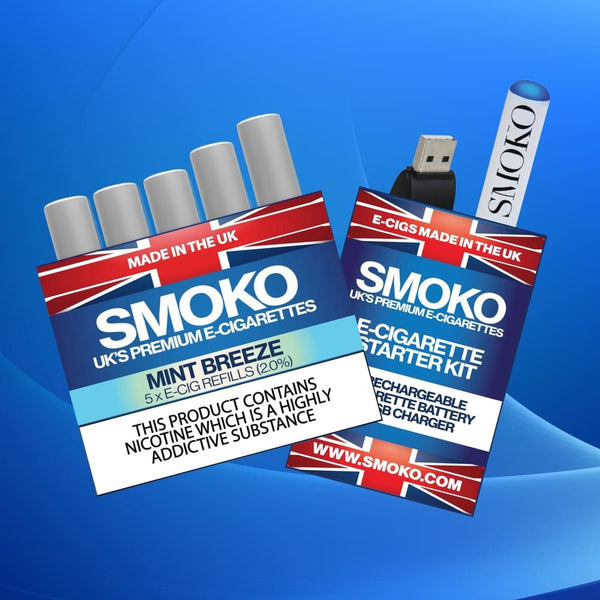
SMOKO offers e-cigarettes and vaping products designed for adult smokers looking for an alternative to cigarettes, with UK-made e-liquids and products designed to meet applicable UK vaping regulations. Over the past 13 years, SMOKO has focused on helping adult smokers move away from traditional cigarettes by providing simple, regulated vaping alternatives. Customers have collectively avoided smoking more than 850 million cigarettes, highlighting the scale of the transition away from combustible tobacco among its customer base and have saved over £510 million compared with the cost of continuing to smoke. These milestones reflect SMOKO's long-standing commitment to supporting adult smokers who are looking to make the switch and leave cigarettes behind.

The advantage of e-cigarettes lies in their ability to satisfy both the nicotine craving and the hand-to-mouth habit that makes quitting so difficult. Smokers who prefer a familiar tobacco profile can also choose Original Tobacco VAPE MAX Refills in different nicotine strengths. Many smokers find this dual approach more manageable than methods that address only one aspect of the addiction. Additionally, evidence suggests regulated nicotine vaping exposes users to fewer harmful substances than smoking because it does not involve burning tobacco, which may reduce some health risks for adult smokers who have struggled with conventional cessation methods.
Creating Your Personalized Quit Plan
Success in quitting smoking often depends on having a structured, personalized plan. Here's how to develop yours:
Set a Definite Quit Date: Choose a date within the next two weeks. This gives you time to prepare without losing momentum. Mark it on your calendar and tell friends and family to increase accountability.
Identify Your Triggers: Keep a smoking diary for several days before quitting. Note when you smoke, what you're doing, and how you're feeling. Common triggers include stress, coffee, alcohol, social situations, and specific times of day.
Develop Replacement Strategies: For each trigger you've identified, plan a specific alternative. If you smoke with morning coffee, switch to tea temporarily. If stress triggers cravings, prepare alternative coping strategies such as taking a walk or practising relaxation techniques. Adult smokers who struggle to quit may also consider evidence-based stop-smoking aids, including NRT or nicotine vaping.
Remove Temptations: Before your quit date, dispose of all cigarettes, lighters, and ashtrays. Clean your car, home, and clothing to eliminate smoke odours that might trigger cravings.
Build Your Support System: Inform friends, family, and colleagues about your quit date and ask for their support. Support systems increase quit success rates by three times. Yet only 30% of people trying to quit get any support during their attempt. Consider joining an online support group or local stop smoking services, which can be a powerful way to quit smoking and move toward a healthier life.
Coping Strategies to Help You Quit and Manage Nicotine Cravings
The first few weeks after quitting are typically the most challenging because of nicotine withdrawal. Understanding what to expect and having strategies ready can make all the difference:
Physical Symptoms: If you're dealing with nicotine dependence, irritability, anxiety, difficulty concentrating, increased appetite, and sleep disturbances are common, and medicines or counselling can help handle cravings and reduce withdrawal symptoms. These typically peak within the first week and gradually diminish over several weeks. Remember that these temporary discomforts are signs your body is healing.
The 4 D's Strategy: When a craving strikes, the 4 D's can provide a simple coping strategy: Delay, Deep Breathe, Drink Water and Do Something Else.
-
Delay: Wait at least 10 minutes before considering giving in. Most cravings pass within this timeframe.
-
Deep Breathe: Take slow, deep breaths to relax and reduce stress.
-
Drink Water: Staying hydrated helps flush nicotine from your system and occupies your mouth.
-
Do Something Else: Distract yourself with a different activity, preferably something physical, and avoid nicotine products by using distraction or other forms of stress relief instead.
Exercise as a Powerful Tool: Physical activity can be a useful way to manage cravings, stress and mood while quitting smoking. Exercise releases endorphins that improve mood and reduce stress, making it easier to resist cigarettes. According to the NHS exercise guidance, adults should aim for at least 150 minutes of moderate-intensity activity per week. Even short bursts of movement, like a brisk 10-minute walk, can significantly reduce immediate cravings.
Maintaining Long-Term Success
Quitting smoking isn't just about getting through the first few weeks—it's about building a smoke-free life for the long term. Many people experience occasional cravings months or even years after quitting, especially during stressful periods or around other smokers.
Celebrate Milestones: Mark your progress at one week, one month, three months, six months, and one year smoke-free. Calculate how much money you've saved and consider treating yourself to something special with a portion of those savings.
Stay Vigilant: Never think "just one cigarette" is harmless. Even one can carry serious health risks and put you at a higher risk of relapse. If you do slip up, don't view it as complete failure—analyse what led to it, forgive yourself, and recommit immediately.

Address Weight Concerns: Some people gain weight after quitting because nicotine suppresses appetite and increases metabolism. Combat this by focusing on healthy eating, regular exercise, and staying hydrated. Remember that the health benefits of quitting(5) far outweigh the risks of modest weight gain and help lower your chances of smoking related diseases.
Evolve Your Identity: Start thinking of yourself as a non-smoker rather than someone who's trying to quit. This mental shift is powerful—you're not depriving yourself of cigarettes; you're choosing freedom from addiction.
Conclusion
The best way to stop smoking combines understanding your personal triggers, choosing appropriate cessation tools, and maintaining commitment through inevitable challenges. Whether you opt for traditional nicotine replacement therapy, prescription medications, e-cigarettes like those offered by SMOKO, or a combination of approaches, the most important factor is making the decision to quit and following through with a solid plan.
Quitting smoking is achievable, and evidence-based stop-smoking aids can significantly improve your chances of success. Nicotine replacement therapy, stop-smoking medicines, behavioural support and nicotine e-cigarettes can all play a role, depending on individual needs and preferences. Current evidence shows that nicotine e-cigarettes are less harmful than smoking and can be particularly effective for adult smokers trying to quit.
Frequently Asked Questions
What is the best way to stop smoking in 2026?
There is no single method that works for everyone. Evidence-based options include nicotine replacement therapy (NRT), stop-smoking medicines, behavioural support and nicotine e-cigarettes. Combining an effective quitting aid with professional or behavioural support can improve your chances of success.
Can vaping help you quit smoking?
Yes. Nicotine e-cigarettes can help adult smokers quit and are less harmful than continuing to smoke because they do not burn tobacco.
What is the best nicotine replacement therapy for quitting smoking?
Nicotine replacement products include nicotine patches, gum, lozenges and sprays, and a patch can provide a steady dose of nicotine through the day. Some options, such as a nasal spray, may also be available. Using a long-acting nicotine patch together with a faster-acting product, such as nicotine gum or lozenges, can be more effective than relying on one type of NRT alone. The right choice can depend on your tobacco use patterns and should be discussed with a healthcare professional.
How long do nicotine cravings last after quitting smoking?
Withdrawal symptoms are often strongest during the first week and generally become easier to manage over the following weeks. Individual cravings usually pass relatively quickly, so strategies such as delaying, deep breathing, drinking water and distracting yourself can help.
Where can I get help to quit smoking in the UK?
You can get support through NHS Stop Smoking Services, your GP or a pharmacist. A healthcare professional or pharmacist can also advise on prescription and over-the-counter options. Professional support can help you create a quit plan, choose suitable stop-smoking treatments and develop strategies for managing cravings and avoiding relapse.
References
(1) Vaping to Quit Smoking: How E-Cigarettes Can Help You Quit | NHS
(2) Smoking and Tobacco: Stop-Smoking Support, Treatments and Quit Aids | GOV.UK
(3) Use of Vapes Among Adults in Great Britain 2026 | ASH
(4) How to Stop Smoking: Treatments, Support and Quit-Smoking Tips | Cancer Research UK
(5) How to Stop Smoking and Improve Your Heart Health | British Heart Foundation
(6) Best Way to Use Nicotine Replacement Therapy (NRT) to Quit Smoking | Cochrane
ABOUT THE AUTHOR
Written by Mike Cameron
Mike Cameron is a former smoker of 15 years (2 packs a day) until he successfully quit using a cigalike. Mike is the Co-Founder and CEO of SMOKO E-Cigarettes and over the last 13+ years, SMOKO has prevented 850M+ cigarettes from being smoked, helped their customers save £510M+ of their hard-earned money from going up in smoke and helped 10,000’s of adult smokers in 25+ countries to live smoke-free.
Last updated 25/08/2026