Table of Contents
- Key Takeaways
- Understanding Why Cigarette Smoke Smell Lingers So Long
- How Long Does Cigarette Smell Lasts in Different Environments?
- Factors That Affect How Long the Lingering Smell of Cigarettes Lasts
- Effective Methods to Get Rid of Cigarette Smell
- Making the Switch to E-Cigarettes: A Long-Term Solution
- Conclusion
- Frequently Asked Questions
- How long does the smell of cigarettes last?
- Why does cigarette smell linger for so long?
- How can I get rid of cigarette smell quickly?
- Does cigarette smell stay in a house permanently?
- Can switching to vaping help prevent cigarette smell?
- References
Key Takeaways
-
The lingering smell of cigarettes can last from a few hours to several months or even years(1), depending on where the smoke settles and how often smoking occurs.
-
Porous materials such as clothing, carpets, furniture, and walls absorb cigarette smoke, making the odour much harder to remove than smoke in the air.
-
Good ventilation, deep cleaning, and switching from smoking to smoke-free alternatives can help get rid of cigarette smell and prevent new odours from building up.
The lingering smell of cigarettes is one of the most persistent and unpleasant consequences of smoking. Whether you're a smoker trying to eliminate the odour from your home, car, or clothes, or a non-smoker dealing with second-hand smoke exposure(2), understanding how long cigarette smell lasts and what affects its persistence is crucial for managing this stubborn problem.
The duration cigarette smoke odour lingers depends on numerous factors including ventilation, surface materials, humidity levels, and the intensity of smoking. In this comprehensive guide, we'll explore the science behind cigarette odour, how long it persists in different environments, and effective strategies for eliminating it.
Understanding Why Cigarette Smoke Smell Lingers So Long
Cigarette smoke contains over 7,000 chemicals, many of which are sticky and volatile. When someone smokes, these chemicals don't just disappear into the air—they attach themselves to virtually every surface they encounter. This creates thirdhand smoke, a toxic residue or cigarette smoke residue left on surfaces after smoking that contains toxic chemicals and other harmful chemicals long after the cigarette is extinguished.

The most problematic compounds include tar, nicotine, and various resins that have adhesive properties. These substances penetrate porous materials like fabric, wood, and drywall, making them incredibly difficult to remove. Unlike simple odours that dissipate with time, cigarette smell becomes embedded in the molecular structure of materials, and this carcinogenic residue is linked to health risks, including higher cancer risk with prolonged exposure, which is why it can persist for months or even years without proper intervention.
Children are especially vulnerable, and exposure to tobacco smoke can trigger asthma symptoms(3) and increase the risk of respiratory problems.
Additionally, the particles from cigarette smoke are extremely small—measuring just 0.1 to 1 micron—allowing them to penetrate deep into materials and even travel through ventilation systems to affect areas far from where smoking actually occurred as environmental tobacco smoke spreads through indoor spaces.
How Long Does Cigarette Smell Lasts in Different Environments?
In Your Clothing and Fabrics
Cigarette smell on clothing can last anywhere from several hours to several days without washing. Light exposure might dissipate within 4-6 hours in well-ventilated areas, but clothes worn while actively smoking or in smoke-filled environments can retain odours for days. Fabrics like wool, cotton, and synthetic blends are particularly absorbent, and washing clothes in warm water may require multiple washes to completely eliminate cigarette odour from fabric. Rubbing dryer sheets on garments can help smell temporarily between washes, but they do not remove embedded residue. In contrast, cigarette breath usually fades faster and may improve with good oral hygiene.
Upholstered furniture and curtains present even greater challenges. Without professional cleaning, these items can retain cigarette odour for months or even years. The combination of fabric density and the sheer volume of material creates numerous pockets where smoke particles can hide and continue releasing odours over time.
In Your Home or Apartment
In indoor spaces, cigarette smell can persist for 2-3 months with regular ventilation, but indoor smoking is the main reason odours remain in a home long after the last cigarette, and in homes where smoking occurred regularly over years, the odour can last indefinitely without remediation. Walls, ceilings, and floors absorb smoke particles, and residue settles into hard surfaces and soft surfaces, creating a constant source of odour release and a lingering scent.
Carpeting is particularly problematic, as the fibres trap smoke particles deep within. In a home with years of exposure from a heavy smoker, more smoke builds up in the fibres, creating a strong smell that can last much longer and may require replacement. Hard surfaces fare better but still require thorough cleaning to eliminate the yellowing residue and odour, and nicotine stained walls can keep off-gassing in humid conditions.
In Your Vehicle
Cars present a unique challenge due to their enclosed space and variety of materials. The smell can last 1-2 months with windows open and air circulation, but vehicles with fabric seats and headliners may retain odours for 6 months or longer, especially with poor ventilation. The ventilation system itself can harbour smoke particles in air ducts and air conditioners, continuously recirculating the smell throughout the cabin; improving indoor air quality depends on better air circulation and filter changes to support indoor air quality.

Leather interiors are somewhat more resistant to odour absorption than fabric, but the smell can still penetrate the material and persist for weeks without proper treatment.
In Open Air
Outdoors, cigarette smoke dissipates relatively quickly—typically within 15-30 minutes in open, well-ventilated areas. However, smoke can linger longer in enclosed outdoor spaces like balconies or patios, where it can persist for several hours. The smell on a person's breath, hair, and skin typically lasts 1-3 hours after smoking, though this varies based on individual metabolism and hygiene practices.
Factors That Affect How Long the Lingering Smell of Cigarettes Lasts
Several key factors determine the persistence of cigarette odour:
-
Frequency and intensity of smoking: A heavy smoker creates deeper saturation of surfaces compared to occasional smoking
-
Ventilation: Poor ventilation allows tobacco smoke and smoke residue to build up faster indoors
-
Humidity levels: Higher humidity can actually intensify cigarette odours by reactivating settled particles, and nicotine stained walls and other residues may release odours more strongly as conditions change
-
Material porosity: Porous materials like drywall, unsealed wood, and fabrics absorb more particles than non-porous surfaces
-
Temperature: Warmer temperatures can cause absorbed smoke particles to release odours more intensely
-
Surface area: Larger spaces with more surfaces provide more area for smoke particle accumulation
Understanding these factors helps explain why some environments seem permanently affected by cigarette smoke while others recover more quickly.
Effective Methods to Get Rid of Cigarette Smell
Removing cigarette smell requires a multi-pronged approach targeting all affected surfaces and materials:
For fabrics and clothing: Wash items multiple times with vinegar or baking soda added to the cycle. For upholstery, professional steam cleaning or enzyme-based cleaners designed for smoke removal are most effective. Items that cannot be washed may benefit from extended airing outdoors or treatment with odour-eliminating sprays; a fabric-safe air freshener may briefly mask odour, but it will not remove cigarette smoke residue.
For hard surfaces: Clean walls, ceilings, and hard floors with warm water plus vinegar or a specialized smoke-removal cleaner. In severe cases, repainting walls with odour-blocking primer may be necessary to seal in remaining particles.
For vehicles: Replace cabin air filters, shampoo all fabric surfaces, and clean the ventilation system. In severe cases, professional ozone treatment uses ozone generators to neutralise cigarette odours at a molecular level, but it should only be performed by specialists because ozone is harmful to breathe.
For entire rooms or homes: Remove cigarette butts and any visible smoking debris first, then combine deep cleaning of all surfaces with air purifiers equipped with HEPA and activated carbon filters. Professional remediation services may be necessary for homes with severe smoke damage.
While maintaining an active lifestyle and regular physical activity—as recommended by organizations like the NHS—won't directly eliminate cigarette smell, it can support overall health and wellbeing during the transition away from smoking environments.
Making the Switch to E-Cigarettes: A Long-Term Solution
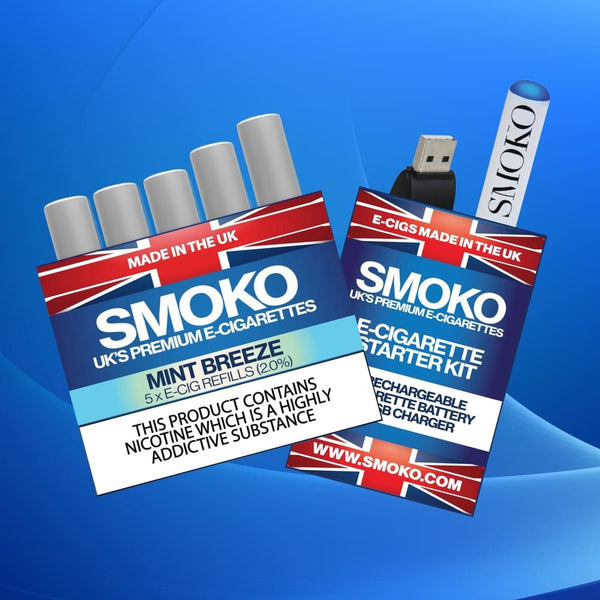
For those looking to avoid the persistent smell of cigarettes altogether, switching to alternatives represents a practical solution. For people who want to quit smoking, this kind of switch can also support smoking cessation while reducing new odour build-up. SMOKO E-Cigarettes and Vapes offers UK-made products that eliminate the combustion process responsible for the stubborn odours associated with traditional cigarettes.

Over the past 12 years, SMOKO has helped prevent over 850 million cigarettes from being smoked, and customers have saved over £510 million that would have literally gone up in smoke. Nicotine is an addictive chemical, which is why many people use aids such as nicotine gum during this process. Unlike cigarettes, e-cigarettes heat an e-liquid rather than burning tobacco, e-cigarettes do not produce tobacco smoke(4) or many of the combustion products responsible for cigarette smoke and odour.
While switching to vaping won't reverse existing cigarette odour damage, it prevents further accumulation and allows your living spaces to gradually recover their freshness. As many a former smoker can attest, homes, vehicles, and clothing often smell noticeably better within weeks of making the switch.
Conclusion
The smell of cigarettes can last anywhere from a few hours in open air to years in heavily affected indoor environments. The exact duration depends on factors including the intensity of smoking, ventilation, material types, and environmental conditions. Porous materials like fabrics, carpets, and drywall absorb smoke particles most readily, making them the most challenging to deodorize.
Eliminating cigarette smell requires thorough cleaning of all affected surfaces, proper ventilation, and sometimes professional remediation services. Beyond the odour, lingering secondhand smoke and thirdhand smoke exposure can leave ongoing health risks for non smokers as residue builds up on surfaces and in dust. For those who smoke, the most effective long-term solution is to prevent the problem by switching to alternatives that don't produce combustion-based smoke(5).
Whether you're dealing with existing cigarette odours or looking to prevent them in the future, understanding the science behind smoke persistence empowers you to take effective action. With the right approach and commitment, even the most stubborn cigarette smells can be conquered, creating fresher, healthier living environments for everyone while supporting disease control and helping protect against long-term harms such as lung cancer.
Frequently Asked Questions
How long does the smell of cigarettes last?
The lingering smell of cigarettes can last anywhere from a few hours to several months or even years. The exact duration depends on how often smoking occurs, the level of ventilation, and whether smoke has been absorbed into porous materials like carpets, furniture, and walls; in homes with indoor smoking, the smell may linger long after the last cigarette because residue remains on surfaces and in dust.
Why does cigarette smell linger for so long?
Cigarette smoke contains sticky chemicals such as tar and nicotine that cling to surfaces and fabrics. These particles become thirdhand smoke — a smoke residue, or toxic residue, that settles on surfaces and leaves a lingering scent long after the visible smoke has disappeared.
How can I get rid of cigarette smell quickly?
To get rid of cigarette smell, open windows to improve ventilation, though this may reduce the smell temporarily, wash clothing and soft furnishings, clean hard surfaces thoroughly, and use an air purifier with a HEPA and activated carbon filter. Essential oils or air freshener may only mask the odour temporarily and will not remove embedded residue from soft furnishings or clothing. Deep cleaning may be needed for long-standing odours.
Does cigarette smell stay in a house permanently?
Not necessarily. Light smoke odours can often be removed with thorough cleaning and ventilation. However, homes where long-term indoor smoking has taken place regularly for years may have cigarette smoke residue on walls, carpets, and soft surfaces that standard DIY cleaning may not fully remove, so professional cleaning, repainting, or replacing carpets and furnishings may be needed to completely remove the smell.
Can switching to vaping help prevent cigarette smell?
Yes. Because e-cigarettes do not burn tobacco, they do not produce the tar and combustion by-products responsible for the persistent smell of cigarettes, and because they do not burn tobacco smoke, they avoid many of the sticky residues that worsen indoor air quality. Switching to smoke-free alternatives can help prevent new odours from building up in your home, car, and clothing.
References
(1) Passive Smoking: How Cigarette Smoke Affects Your Home and Family
(2) Second-Hand Smoke: Health Risks of Tobacco Smoke Exposure
(3) How Smoking and Second-Hand Smoke Affect Lung Health
(4) Vaping to Quit Smoking: A Smoke-Free Alternative to Cigarettes
(5) Nicotine Vaping in England: Smoking, Vaping and Harm Reduction Evidence
ABOUT THE AUTHOR
Written by Mike Cameron
Mike Cameron is a former smoker of 15 years (2 packs a day) until he successfully quit using a cigalike. Mike is the Co-Founder and CEO of SMOKO E-Cigarettes and over the last 13+ years, SMOKO has prevented 850M+ cigarettes from being smoked, helped their customers save £510M+ of their hard-earned money from going up in smoke and helped 10,000’s of adult smokers in 25+ countries to live smoke-free.
Last updated 21/07/2026