Table of Contents
- Key Takeaways
- Understanding Nic Strength and Nicotine Delivery in Vaping
- How to Choose the Right Nicotine Strength Based on Your Smoking Habits
- Freebase Nicotine vs Nic Salts: Which Is Right for You?
- Matching E Liquid Strength to Your Vape Device
- When to Switch to a Lower Strength or Adjust Your Vape
- Choosing Between High Strength and Nicotine Free Vapes: Buying Tips and Common Mistakes
- Conclusion
- Frequently Asked Questions
- References
Key Takeaways
- Choosing the right vape nicotine strength depends on your smoking habits, with light smokers generally needing lower strengths and heavy smokers requiring higher strengths to manage cravings.
- Freebase nicotine and nicotine salts deliver different vaping experiences, while matching your nicotine strength to your device helps provide a smoother, more satisfying switch from cigarettes.
- Finding your ideal nicotine strength can make quitting smoking more manageable, helping control cravings, avoid excessive nicotine intake and gradually reduce nicotine levels over time.
Choosing a vape strength can feel more complicated than it needs to. Walk into any vape shop or scroll through an online store and you will see numbers like 11mg, 15mg, 18mg, and 20mg, plus terms like "freebase" and "nicotine salt." Pick the wrong one and you either end up with a throat hit that feels like sandpaper or a craving that never quite goes away. Get it right and the switch away from cigarettes becomes far smoother(4).
This guide breaks down everything that affects your ideal strength — how much you smoked, the type of device you use, the kind of e-liquid, and how your body responds — so you can make a confident, informed choice. It is written for a general adult audience, and it assumes you are either a current smoker looking to switch or a vaper wanting to fine-tune your setup.
Understanding Nic Strength and Nicotine Delivery in Vaping
Nicotine strength determines how much nicotine you absorb with each puff. Too little, and you may vape constantly and still feel unsatisfied — a common reason people drift back to cigarettes. Too much, and you risk nausea, headaches, dizziness, and a racing heart, especially if you are new to vaping.

The important nuance is that the number on the bottle is not the same as the dose you actually get: nicotine strength is measured in milligrams per milliliter, written as mg/ml and sometimes shortened to mg, and that label shows the liquid’s concentration rather than what your body absorbs. For example, 11 mg/ml equals 1.1%, so the percentage is simply another way of showing the same strength. A high-strength e-liquid used in a low-power device delivers far less nicotine per puff than the same liquid used in a high-powered sub-ohm tank. That is why strength and device must be chosen together, not in isolation. Understanding this single principle removes most of the confusion around vaping strength.
How to Choose the Right Nicotine Strength Based on Your Smoking Habits
The most reliable starting point is your current or former smoking habit(1). The table below offers a general guide for adults switching from cigarettes to vaping. Treat it as a starting point, not a rigid rule.
-
Non-smoker or very occasional smoker: Consider zero nicotine, or the lowest strength available. Many vapers in this group, including social vapers, tend to prefer lower levels or to avoid nicotine altogether.
-
Light smoker (under 10 cigarettes a day): 11mg freebase is a common starting range. Lighter users often begin lower to avoid an overwhelming effect while still trying to satisfy cravings.
-
Moderate smoker (10–20 a day): Around 15–18mg freebase tends to match the habit and often feeling like a moderate strength option depending on the device.
-
Heavy smoker (20+ a day): Higher-strength freebase (18–20mg) is often the better match initially, and 20mg/ml is commonly the highest UK salt option for someone smoking around a pack a day.
These are broad ranges, and individual tolerance varies enormously. The goal is to find the lowest strength that gives enough satisfaction for your nicotine intake, then adjust upward only if your starting level does not.
Freebase Nicotine vs Nic Salts: Which Is Right for You?
The type of nicotine matters as much as the number. Freebase nicotine is the traditional form used in e-liquids. It delivers a sharper throat hit and is absorbed more slowly, which many longer-term vapers prefer. Nicotine salts, by contrast, include organic acids such as benzoic acid, which lower the pH level, making higher concentrations smoother to inhale and absorbed more quickly, closer to the sensation of a cigarette. That is the key difference at higher strengths: salts tend to stay smooth, while freebase gives a stronger throat hit.

In practical terms:
-
If you want a cigarette-like throat hit and a slower release, freebase may suit you.
-
If you want smoothness and fast craving relief, especially at higher strengths, nicotine salts are often the better choice or you can also get the smooth version of the freebase e-liquid.
-
If you are using a low-power pod device, understanding nicotine means considering how salts and freebase feel as well as the number, and salts in the 11–20mg range are a very common and sensible starting point.
Whichever you choose, buy from a reputable source. In the UK, e-liquids and vaping products are regulated(7), and reputable brands — such as those made in the UK — give you clearer confidence in what is actually in the bottle.
Matching E Liquid Strength to Your Vape Device
Your device's power output changes everything. Here is how the main device types usually pair with strength:
Pod Systems and Starter Kits for Heavy Smokers
These are low-power, often draw-activated pod systems, including a pod kit, designed for simplicity and a mouth-to-lung inhale style. They work well with higher-strength nicotine salts (11–20mg) because each puff delivers a modest amount of vapour, so low-power devices often need more nicotine to create the same effect as more powerful setups and are commonly chosen by people moving away from traditional cigarettes or traditional smoking. This is the most common entry point for people switching from cigarettes, and disposable vapes are another convenient fixed-format option for smokers.

Pen-Style Vapes and Medium Strength Nicotine Options
These sit in the middle. Freebase strength around 11mg is typical. They offer more vapour and flavour than a basic pod but remain relatively easy to use.
Sub-Ohm and High-Power Vapes: Why Lower Nicotine Levels Matter
These produce large clouds and deliver a lot of nicotine per puff, which is why sub-ohm devices are best paired with lower strengths. Using 20mg salt in a sub-ohm tank is a bad idea — the extra vapour can make the effect overwhelming, so these setups are not suited to high-nicotine salts.
A useful rule of thumb: the more vapour your device produces, the lower the strength you should use.
When to Switch to a Lower Strength or Adjust Your Vape
No chart can tell you exactly what your body needs. Your own response is the final judge. Watch for these signals:
-
Still craving cigarettes or vaping constantly? Your strength may be too low, or your device may not be delivering enough nicotine to satisfy cravings. Consider stepping up slightly.
-
Feeling nauseous, dizzy, headachy, or jittery? Your strength is likely too high. Step down, or reduce how often you vape.
-
Throat irritation? This can come from high freebase strength, a dry coil, or simply too much power. Try a lower strength or a smoother salt formula.
-
Feeling satisfied but not overwhelmed? You have likely found the correct nicotine strength for your overall vaping experience.
Adjust in small steps and give each new strength a few days before judging it. Sudden jumps make it harder to identify what works. Once cravings are stable, some people gradually reduce nicotine intake(5) as part of quitting smoking. If you experience persistent symptoms such as chest pain or severe dizziness, stop and seek medical advice.For additional support, the NHS Better Health website offers practical advice on quitting smoking(6), managing nicotine cravings and building healthier habits. You can also speak to your GP, pharmacist or local NHS Stop Smoking Service for personalised guidance.
Choosing Between High Strength and Nicotine Free Vapes: Buying Tips and Common Mistakes
A few simple habits will make the process easier and cheaper:
-
Buy small bottles first. Never commit to a large bottle of an untested strength. A 10ml bottle lets you experiment without waste.
-
Keep a lower-strength option on hand. Many vapers use it to balance nicotine intake across the day, rather than reaching for the same strength every time.
-
Do not chase the highest number. A higher concentration is not automatically better, and for some users it can simply mean too much nicotine.
-
Check the ingredients and origin. UK-made products from established brands offer clearer quality control and peace of mind.
-
Avoid the "sub-ohm with high salt" trap. It is one of the most common and unpleasant mistakes.
-
Stay active and hydrated. Regular physical activity and drinking plenty of water can support your overall wellbeing as you make healthier lifestyle changes. The NHS Better Health website offers practical advice on staying active, including simple exercises you can do at home.
It is also worth noting that vaping is intended for adult smokers and ex-smokers, not for people who have never smoked. If you are a non-smoker, the best choice is generally to avoid switching from neither smoking nor tobacco use into nicotine use. And if you are pregnant or have a medical condition, speak to a healthcare professional before using any nicotine product, even though vaping is sometimes used as a safer alternative to smoking for adult smokers.
Conclusion
So, what strength vape should you get? Start with your smoking history, choose the type of nicotine that suits your preferred throat feel, and match the strength to your device's power. Then listen to your body and adjust in small steps. As a general starting point, light smokers often do well around 11mg freebase, moderate smokers around 15–18mg freebase, and heavy smokers at the higher end of those ranges. Sub-ohm users should always go lower.
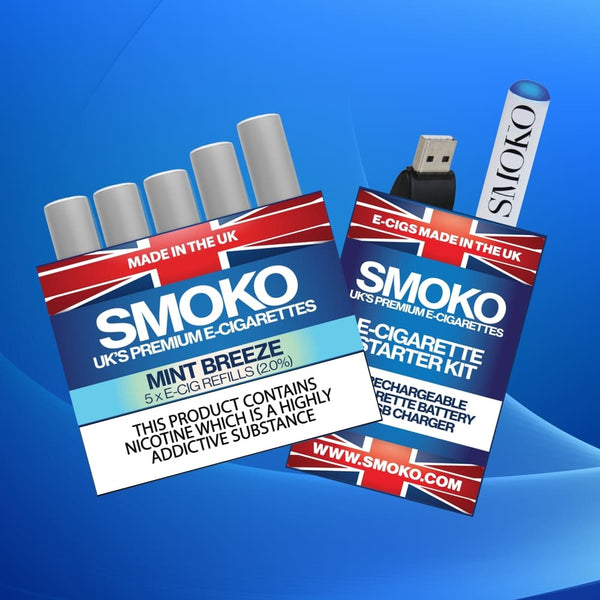
There is no single "correct" strength — only the one that keeps your cravings under control without making you feel unwell. Take it slowly, buy small, and treat the process as a short experiment rather than a permanent commitment. If you buy from a trusted UK brand such as SMOKO, you can focus on finding your ideal strength with products made to consistent standards. Choose sensibly, adjust as needed, and let your own experience guide the final decision.
Frequently Asked Questions
What strength vape should I get to quit smoking?
The right vape nicotine strength depends on how many cigarettes you smoke each day and the device you use. Light smokers may find 11mg freebase nicotine suitable, while moderate to heavy smokers may need 15–20mg to manage cravings when switching from cigarettes.
Is 11mg or 20mg nicotine better for vaping?
It depends on your smoking habits and nicotine tolerance. A 11mg strength may suit lighter smokers, while 20mg is often preferred by heavier smokers who need stronger nicotine delivery to satisfy cravings. In the UK, 20mg/ml is the maximum permitted nicotine concentration in e-liquids.
What is the difference between freebase nicotine and nic salts?
Freebase nicotine provides a stronger throat hit that many former smokers find familiar. Nicotine salts generally feel smoother at higher strengths, making them popular in low-power pod systems. Both can help adult smokers manage cravings when switching away from cigarettes.
How do I know if my vape nicotine strength is too high or too low?
If you still experience strong cigarette cravings or vape constantly, your nicotine strength may be too low. Symptoms such as nausea, dizziness, headaches or feeling jittery may indicate excessive nicotine intake. Adjusting gradually can help you find a comfortable balance.
Can I gradually reduce my vape nicotine strength?
Yes, many former smokers gradually lower their nicotine strength once they feel comfortable without cigarettes. Reducing nicotine in small steps can make the process more manageable while helping you maintain control over cravings. The priority is to avoid returning to smoking.
References
(1) Choosing the Right Vape Nicotine Strength to Quit Smoking | NHS
(2) UK Vape Nicotine Strength Limit: 20mg/ml Regulations | GOV.UK
(3) Vape Nicotine Strength and Managing Cigarette Cravings | Cancer Research UK
(4) Vaping and Smoking Cessation: 2026 Research Findings | The Independent
(5) Vaping and Reducing Nicotine Strength: UK Adult Survey | ASH
(6) Nicotine Vapes and Quitting Smoking: 2026 Cochrane Review
(7) UK E-Liquid Regulations: Nicotine Limits and Product Requirements
ABOUT THE AUTHOR
Written by Mike Cameron
Mike Cameron is a former smoker of 15 years (2 packs a day) until he successfully quit using a cigalike. Mike is the Co-Founder and CEO of SMOKO E-Cigarettes and over the last 13+ years, SMOKO has prevented 850M+ cigarettes from being smoked, helped their customers save £510M+ of their hard-earned money from going up in smoke and helped 10,000’s of adult smokers in 25+ countries to live smoke-free.
Last updated 23/11/2026