Learn how to effectively quit smoking with e-cigarettes using our proven transition method that has helped thousands of UK smokers break free from tobacco dependency.
Key Takeaways
-
Switching to e-cigarettes significantly reduces exposure to harmful chemicals, making it one of the most effective first steps toward quitting smoking for good.
-
A structured, step-by-step quitting plan increases your success rate, combining the right nicotine strength, consistent use, and behavioural strategies.
-
Choosing high-quality, reliable vape products—like SMOKO’s UK-made e-liquids and vapes —helps you stay on track, avoid relapse, and feel the health benefits faster.
Breaking free from cigarette addiction is one of the most challenging yet rewarding decisions you can make for your health. The dangers of cigarette smoking are well-documented, with serious risks such as lung cancer, heart disease, and reduced life expectancy. The National Institute for Health and Care Excellence (NICE) provides guidance and evidence-based recommendations to support individuals in quitting smoking and improving their overall health (1).
With over 850 million cigarettes prevented from being smoked through effective E-Cigarette transitions, the evidence is clear that a structured approach to quitting smoking with e-cigarettes can be highly successful. Quitting smoking delivers significant health benefits, including improved lung function, reduced risk of serious diseases, and increased life expectancy. This comprehensive guide will walk you through a proven step-by-step method that has helped thousands of UK smokers successfully transition away from traditional tobacco.
Understanding the E-Cigarette Advantage - Manage Cravings and Nicotine Withdrawal Symptoms
E-Cigarettes offer a unique advantage in smoking cessation because they address both the physical nicotine dependency and the psychological habits associated with smoking. Unlike other nicotine replacement therapies, E-Cigarettes replicate the hand-to-mouth action, the inhalation process, and even the visual aspects of smoking, making the transition significantly more manageable. Compared to other nicotine replacement products such as nicotine patches and nasal sprays, E-Cigarettes deliver nicotine in a way that closely mimics the act of smoking, while patches and sprays provide nicotine through the skin or nasal membranes without the behavioural cues.
The key to success lies in choosing the right type of E-Cigarette and following a structured approach that gradually reduces your dependence while maintaining the familiar ritual. For those considering different ways to deliver nicotine during their quit attempt, nicotine patches and nasal sprays are also available as alternative nicotine replacement products, each offering a different method of nicotine delivery to support smoking cessation. This method has proven particularly effective because it doesn’t require you to abandon all smoking-related behaviours immediately, which often leads to relapse with other cessation methods.
Step 1: Choose Your E-Cigarette System
Your first crucial decision is selecting the right e-cigarette system. For smokers looking to quit, cigalike E-Cigarettes often provide the most seamless transition because they closely mimic the size, weight, and feel of traditional cigarettes. The familiar form factor reduces the psychological barrier to switching.
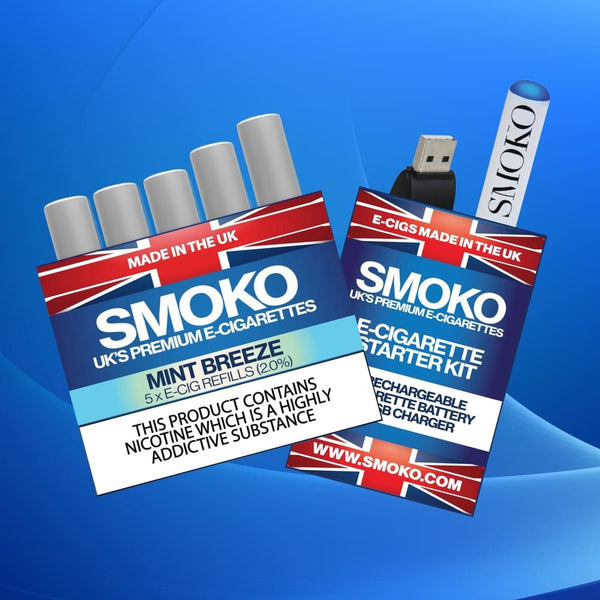
Consider starting with a comprehensive E-Cigarette starter kit that includes everything you need: a rechargeable battery, USB charger, and a selection of refills. Some starter kits may also include or recommend other nicotine products, such as nicotine gum or patches, to further support your transition and help manage cravings. This ensures you have backup power and can experiment with different flavours to find what works best for your transition.
When selecting your initial setup, prioritise reliability and simplicity over advanced features. The goal is to create a hassle-free experience that removes barriers to using your E-Cigarette instead of reaching for a traditional cigarette.
Step 2: Match Your Nicotine Strength

Matching your nicotine intake is critical for a successful transition. Most heavy smokers (20+ cigarettes daily) should start with higher nicotine strength refills, while lighter smokers can begin with medium strength options. The key is ensuring you receive adequate nicotine to prevent cravings without overdoing it.
Start by calculating your daily nicotine consumption from cigarettes, then select E-Cigarette refills that provide similar levels. You can always adjust down over time, but starting too low often leads to continued cigarette cravings and potential relapse.
Nicotine cravings and smoking withdrawal symptoms are usually most intense during the first few weeks after quitting smoking (2). Adjusting your nicotine strength during this period can help manage these symptoms and make the transition easier. Pay attention to how your body responds during the first week. If you’re still experiencing strong cravings, you may need a higher nicotine strength initially. Conversely, if you feel jittery or nauseous, consider reducing the strength slightly.
Step 3: Establish Your Transition Timeline and Quit Date
A gradual transition typically proves more successful than attempting to quit cigarettes immediately. Plan a two-week transition period where you progressively replace cigarettes with e-cigarette use. Marking the moment you smoke your last cigarette as a milestone can be a powerful motivator and a significant achievement in your quit journey.
Week one should focus on replacing your easiest cigarettes first – typically those smoked out of habit rather than intense craving. These might include cigarettes smoked while driving, during work breaks, or after meals. Use your e-cigarette for these occasions while maintaining your usual cigarettes for high-stress or high-craving moments.
Week two involves replacing the remaining cigarettes, including those first morning cigarette and evening relaxation smokes. By this point, you should be comfortable with your e-cigarette and confident in its ability to satisfy your nicotine needs. Be aware of the temptation to smoke just one cigarette during this transition, as even a single slip can undermine your progress and make it harder to quit for good.
Step 4: Master Your Usage Technique
E-cigarettes require a slightly different inhalation technique compared to traditional cigarettes. Instead of quick, sharp puffs, take longer, slower draws to maximise vapour production and nicotine delivery. This adjustment period typically lasts 2-3 days but significantly impacts your satisfaction with the device.
Practice the optimal technique: draw slowly for 3-4 seconds, pause briefly, then inhale the vapour into your lungs. This method ensures maximum nicotine absorption and provides the throat hit that many former smokers find satisfying.
Remember that e-cigarettes don't burn down like traditional cigarettes, so you can take a few puffs and set the device aside without waste. This flexibility actually works in your favour, as you can satisfy cravings with just a few puffs rather than smoking an entire cigarette.
Step 5: Identify and Replace Smoking Triggers
Successful smoking cessation requires addressing the behavioural and environmental triggers that prompt cigarette cravings. Common triggers include stress, boredom, social situations, alcohol consumption, and specific daily routines (3). Chewing gum or sunflower seeds can also help keep your mouth occupied and manage cravings during these moments.
Create a trigger replacement plan where you consciously use your e-cigarette in response to these situations. For example, if you typically smoke when stressed at work, immediately reach for your e-cigarette instead. You can also try deep breathing techniques to handle stress-related triggers and promote relaxation. The key is creating new neural pathways that associate these triggers with e-cigarette use rather than traditional smoking.
Keep your e-cigarette easily accessible at all times during the first month. This immediate availability prevents the temptation to grab a cigarette during moments of weakness or intense craving.
Step 6: Optimise Your Flavour Experience

Flavour selection plays a crucial role in long-term success with e-cigarettes. Many new users start with tobacco flavours to maintain familiarity, but don't hesitate to explore other options. The SMOKO Original tobacco flavour refills provide a familiar starting point, while Menthol options can offer a refreshing alternative.
Consider having multiple flavours available to prevent boredom and maintain interest in your e-cigarette. Some users find that switching between tobacco flavours during the day and fruit or dessert flavours in the evening helps maintain engagement with their device.
The psychological aspect of enjoying your e-cigarette experience cannot be overstated. If you genuinely enjoy the flavour and experience, you're far more likely to reach for your e-cigarette instead of a traditional cigarette when cravings strike.
Step 7: Quit Plan for Challenging Situations
Certain situations will test your resolve more than others. Social events where others are smoking, high-stress periods, and alcohol consumption are common scenarios that lead to relapse (4). Prepare specific strategies for these situations in advance. Many people worry about weight gain after quitting smoking, as changes in appetite and metabolism can occur. To manage weight gain, consider using nicotine replacement therapy, watch your calorie intake, and try to increase your physical activity.
For social situations, inform friends and family about your quit attempt and ask for their support. Bring extra refills and ensure your battery is fully charged before attending events where you might be tempted to smoke.
During stressful periods, remind yourself that your e-cigarette provides the same nicotine relief as cigarettes without the harmful combustion products (5). Take deliberate, slow puffs and focus on the stress-relief benefits you’re receiving.
Step 8: Monitor Your Progress and Health Improvements
Track your progress using concrete metrics that reinforce your success. Calculate money saved, cigarettes not smoked, and health improvements you’re experiencing. Quitting smoking reduces carbon monoxide levels in your body, which can be measured to track your recovery and show how your body is healing. Most people notice improved taste and smell within the first week, better breathing within two weeks, increased energy within a month, and significant saving money as they reduce tobacco expenses.
Keep a simple log of daily e-cigarette usage versus any cigarettes smoked. Seeing the numbers improve day by day provides powerful motivation to continue your quit journey, especially as your risk of lung cancer decreases with every smoke-free day.
Celebrate milestones: your first cigarette-free day, first week, and first month. These achievements represent significant progress toward complete smoking cessation and align with health and care excellence standards for monitoring and supporting your quit journey.
Step 9: Gradually Reduce Nicotine Dependence
Once you've successfully transitioned to e-cigarettes exclusively (typically after 4-6 weeks), you can begin reducing your nicotine dependence if desired. This step is optional, as some people prefer to maintain their current nicotine level long-term, which is still significantly healthier than smoking.
If you choose to reduce nicotine, do so gradually over several months. Reduce your nicotine strength by small increments every 2-4 weeks, allowing your body to adjust to each new level before making further reductions.
Remember that the primary goal is staying away from traditional cigarettes. If reducing nicotine creates cravings that tempt you back to smoking, maintain your current level until you feel more confident in your quit journey.
Building Long-Term Success
Long-term success requires viewing your e-cigarette as a permanent replacement rather than a temporary solution. Ensure you always have backup equipment and adequate refill supplies. Running out of refills or having a dead battery can trigger a return to cigarettes during vulnerable moments. For specialist support and advice, consider accessing stop smoking services, including your local stop smoking service, where a stop smoking advisor can help you quit with tailored guidance.
Consider investing in additional equipment once you’ve found your preferred setup. Having a backup battery and backup device ensures you’re never without your smoking alternative. You can also reach out to the free Smokefree national helpline or seek other support, such as consulting a healthcare professional, health visitor, or healthcare professionals for ongoing guidance and access to smoking services.
Stay connected with supportive communities and resources that reinforce your decision to quit smoking. Many former smokers find that sharing their experience and supporting others in their quit journey helps maintain their own commitment to staying cigarette-free. Remember, maintaining your mental health is important—many people experience improved mental well-being after they have stopped smoking.
Be mindful of the risk of relapse and the temptation to start smoking again. Professional support from stop smoking services or a stop smoking advisor can help you quit for good and avoid returning to old habits.
Extra Tools: Nicotine Replacement Therapy
It’s never a bad idea to have a variety of tools at your disposal for the challenge of quitting smoking. Nicotine gum is one of several nicotine replacement products available as part of a comprehensive stop smoking treatment plan, which may also include patches, lozenges, or sprays. Nicotine gum can be a great complimentary addition to using a vape. With restrictions on where you can vape being similar to areas you can’t smoke, utilising nicotine gum at those times you are prevented from vaping allows you to stay on top of withdrawal symptoms and tackle the urge to smoke or vape when a strong craving hits.

This is the perfect time for SMOKO Sugar-free Nicotine Gum! Available at a 2mg strength, SMOKO Sugar-free Nicotine Gum has three great flavours to choose from: Mint, Blueberry and Watermelon. Boasting 70% more volume than other well-known brands, SMOKO Nicotine Gum offers a robust chewing experience to keep your mouth occupied! Just remember to follow the instructions of ‘chew - park - repeat’ for a gradual nicotine release instead of constantly chewing, releasing all the nicotine in a short space of time.
Overcoming Common Challenges
Every quit journey encounters obstacles. Common challenges include initial throat irritation, different taste experiences, and occasional strong cigarette cravings. Understanding these challenges as normal parts of the transition process helps you persist through difficult moments.
Switching to e-cigarettes eliminates exposure to the harmful chemicals found in tobacco smoke and cigarette smoke, which are responsible for most of the health risks associated with traditional smoking.
If you experience throat irritation, try reducing your nicotine strength slightly or switching to a smoother flavour profile. Most throat irritation resolves within a few days as your throat adjusts to vapour instead of smoke.
Strong cravings may occasionally occur even after successful transition. During these moments, use your e-cigarette more frequently for a day or two rather than reaching for cigarettes. These intense craving periods typically pass quickly.
The step-by-step approach outlined in this guide has helped thousands of UK smokers successfully transition from cigarettes to e-cigarettes, ultimately improving their health while maintaining the satisfaction they seek from nicotine use. Success requires patience, preparation, and commitment to following the process, but the health and financial benefits make the effort worthwhile.
Remember that quitting smoking is a process, not a single event. Be patient with yourself, celebrate small victories, and focus on the significant health improvements you’re making with each cigarette you don’t smoke. With the right approach and quality e-cigarette products, you can successfully break free from tobacco dependency and enjoy a healthier future.
Quit Smoking Guide With E-Cigarettes - Conclusion
Quitting smoking has never been easier, with so many tools at your disposal like E-Cigarettes to satisfy the cravings and apps and support groups to help you stay motivated on your journey to becoming smoke-free!
At SMOKO, we aim to provide a range of hassle-free vapes to enable a seamless transition from smoking to vaping. All using rechargeable batteries and prefilled refills containing our high-quality, UK-made e-liquid, our E-Cig and Vape starter kits are loved by thousands in the UK and beyond!
So - what are you waiting for? Check out our FREE* E-Cig and Vape Starter Kit Deals and stop smoking today!
*(when you buy a box of SMOKO refills. One per customer)
FAQ: Quitting Smoking With E-Cigarettes
1. Are e-cigarettes really effective for quitting smoking?
Yes. Studies show that e-cigarettes are one of the most effective tools for quitting, helping smokers replace harmful tobacco smoke with far fewer toxic chemicals while still satisfying nicotine cravings.
2. What nicotine strength should I start with?
Most smokers do best starting with 18mg or 20mg nicotine, especially if they smoke 10+ cigarettes a day. You can gradually reduce strength as cravings ease.
3. How quickly will I notice health benefits after switching?
Many people feel improvements within 24–48 hours—better breathing, improved taste and smell, and fewer coughing fits. Longer-term benefits grow as you stay smoke-free.
4. Can I use e-cigarettes and still smoke occasionally?
You can, but it’s best to aim for a complete switch as soon as possible. Dual use slows down your progress and reduces the health benefits.
5. Are e-cigarettes safer than traditional cigarettes?
Yes. Public Health England and the NHS state that vaping is at least 95% less harmful than smoking because it avoids tar, carbon monoxide and thousands of toxic chemicals.
6. How do I know my vape is working properly?
If the flavour tastes burnt, the device leaks, or vapour output drops, your coil or refill may need replacing. High-quality brands like SMOKO make this process simple.
References
(1) NICE - Tobacco: preventing uptake, promoting quitting and treating dependence
(2) How long does nicotine withdrawal last?
(3) Smokefree.gov - Know Your Triggers
(4) Healthline - Coping with Smoking Relapse
(5) Press release: E-cigarettes around 95% less harmful than tobacco estimates landmark review