Table of Contents
- Key Takeaways
- What is Alzheimer's?
- What is the link between Alzheimer's disease and smoking?
- Is there a link between Alzheimer's and nicotine?
- How nicotine works
- How does nicotine help prevent Alzheimer's?
- Understanding Nicotine Gum
- Benefits of Using Nicotine Gum
- How to Use Nicotine Gum Effectively
- Possible Side Effects of Nicotine Gum
- Nicotine Gum vs. Other Nicotine Replacement Therapies
- Tips for Quitting Smoking Success with Nicotine Gum
- SMOKO Sugar-free Nicotine Gum
- E-Cigarettes and Nicotine
- Summary
- Frequently Asked Questions
- What is the difference between nicotine gum and ordinary chewing gum?
- How does nicotine gum help with quitting smoking?
- Are there any side effects of using nicotine gum?
- Can nicotine gum be used in combination with other nicotine replacement therapies?
- What is the potential link between nicotine and Alzheimer's prevention?
- REFERENCES
Can nicotine gum play a role in Alzheimer’s care? In this article, we investigate its potential benefits, how it functions, and the latest research linking nicotine gum to Alzheimer’s prevention.
Key Takeaways
-
Alzheimer’s is a progressive brain disorder characterised by memory loss and cognitive decline, affecting both patients and their caregivers.
-
Nicotine, while traditionally associated with smoking, is being researched for its potential cognitive benefits, which may help mitigate Alzheimer’s progression.
-
Nicotine gum serves as a safer alternative for nicotine delivery, aiding in smoking cessation while potentially offering cognitive benefits, though definitive evidence for its efficacy in preventing Alzheimer’s is still lacking.
What is Alzheimer's?

Alzheimer's is the most common form of dementia, a brain disorder that progressively erodes memory and cognitive skills. It is characterised by a build-up of beta amyloid and tau proteins in the brain, forming plaques and neurofibrillary tangles in neurons that disrupt brain cell communication and lead to cell death (1). As the disease advances, individuals experience a predictable pattern of cognitive decline, eventually leading to severe dementia and the loss of daily living skills, often associated with amyloid buildup, and they may eventually die.
Alzheimer’s begins with mild cognitive impairment, including early symptoms such as memory loss, difficulty planning, and confusion about time or place. The first dementia symptoms in the three stages include more severe cognitive symptoms such as significant memory problems, impaired thinking skills, memory impairment, mental abilities, and personality changes, particularly in the late stages. Eventually, individuals may lose the ability to respond to their environment, converse, or control movement in the late stages.
The impact of Alzheimer’s extends beyond the individual diagnosed. Family members often bear a heavy emotional and physical burden, providing care and support as people with Alzheimer’s become increasingly dependent on others. The Alzheimer’s Association emphasises the importance of early diagnosis and intervention to manage the disease process and improve quality of a person’s life for both patients and caregivers, including the role of social care, which is supported by various resources (2). This illness affects not only the individual but also their loved ones.
Alzheimer’s is not solely a disease of old age. Early onset Alzheimer’s, which affects people under 65, accounts for up to 5% of all Alzheimer’s cases. Despite extensive research, the exact cause of Alzheimer’s remains unclear, though factors such as increasing age, family history, cardiovascular disease, and other factors are known risk factors. The key to dealing with Alzheimer’s as best as possible is understanding the disease’s complex nature, which is the first step in exploring potential interventions - like nicotine gum - to find a cure.
What is the link between Alzheimer's disease and smoking?

Research indicates that smoking increases the higher risk of vascular dementia and Alzheimer’s disease, with the World Health Organization estimating that 14% of Alzheimer’s cases worldwide are potentially due to smoking. The toxins from smoking tobacco cause inflammation and oxidative stress in the body, damaging brain cells and blood vessels. This damage can lead to an increased risk of stroke and other cardiovascular issues, which are also risk factors for Alzheimer’s. (3)
The relationship between smoking and Alzheimer’s is complex. While smoking is a known risk factor, the components of cigarette smoke, including nicotine, play different roles in this dynamic. Understanding smoking’s impact on brain health helps in developing strategies to reduce Alzheimer’s risk, including encouraging quitting and exploring safer nicotine alternatives.
For those with Alzheimer’s or at risk of Alzheimer's, quitting smoking is vital to reducing cognitive decline. The Alzheimer’s Association supports this as part of a comprehensive clinical practice management and prevention approach. Understanding smoking’s harms and potential benefits of nicotine replacement therapies helps individuals make informed health decisions.
Is there a link between Alzheimer's and nicotine?
Smoking’s consequences are often conflated with nicotine use, though nicotine is just one component of cigarette smoke. Nicotine replacement therapy (NRT) shows that nicotine use and smoking are not synonymous, a critical distinction when exploring nicotine’s potential cognitive benefits.
While nicotine can increase heart rate, which is a potential stress on the cardiovascular system, its cognitive effects are thought to potentially stave off the onset of Alzheimer’s disease. Nicotine activates specific signalling pathways in the brain that are involved in attention, memory, and reward. Consistent activation of these pathways may help maintain cognitive function and delay the progression of Alzheimer’s.
The Alzheimer’s Association and other research institutions continue to investigate the complex relationship between nicotine and Alzheimer’s (4). Although definitive evidence is still lacking, early studies suggest that nicotine replacement therapies, like nicotine patches and gum, may offer cognitive benefits without the harmful effects of smoking. This potential link warrants further exploration and clinical trials to fully understand nicotine’s role in Alzheimer’s prevention.
How nicotine works
Nicotine works by binding to receptors in the brain called nicotinic acetylcholine receptors, which are involved in essential functions such as attention, memory, and reward. When nicotine binds to these receptors, it triggers the release of dopamine, the reward chemical, and adrenaline, a stimulant that increases heart rate and blood pressure. This release creates a sense of pleasure and heightened alertness, which can be addictive.
Repeated nicotine exposure increases the number of nicotinic acetylcholine receptors in the brain, enhancing cognitive functions and maintaining brain function health. However, it may also lead to higher nicotine doses over time to achieve the same effects, complicating quitting efforts.
Understanding nicotine’s brain mechanisms is crucial for developing effective replacement therapies. Targeting specific receptors and pathways, researchers aim to harness nicotine’s cognitive benefits while minimising its addictive potential, key to creating safe treatments for Alzheimer’s and other neurological diseases.
How does nicotine help prevent Alzheimer's?
Currently, evidence is insufficient to confirm nicotine’s efficacy in treating or preventing Alzheimer’s. However, some studies suggest smoking may have a protective effect against Alzheimer’s, implying that nicotine, rather than other cigarette components, might be responsible. (5)
One hypothesis is that nicotine activates essential acetylcholine receptors, helping them function effectively and potentially preventing the formation of amyloid plaques associated with Alzheimer’s. Maintaining receptor function could slow Alzheimer’s-related cognitive decline.
While these findings are promising, more research is needed to confirm nicotine’s role in preventing Alzheimer’s. Ongoing studies aim to determine the optimal dosage and delivery methods for nicotine to maximise its cognitive benefits while minimising risks. For now, nicotine replacement therapies like nicotine gum offer a safer alternative to smoking, with potential benefits for brain health.
Understanding Nicotine Gum

Nicotine gum is a medication designed to assist individuals in their efforts to quit smoking. Unlike ordinary chewing gum, nicotine gum delivers a controlled dose of nicotine that is absorbed primarily in the mouth. Users typically chew the gum until a tingling sensation occurs, then place it between their cheek and gums to allow nicotine absorption. This method provides a steady release of nicotine, helping to manage withdrawal symptoms and cravings.
Nicotine gum can be used every 1-2 hours to help manage withdrawal symptoms. It can also be combined with a nicotine patch for stronger cravings. This combination therapy can be particularly effective for individuals with a high dependence on nicotine. By providing a safer way to consume nicotine, nicotine gum reduces the risk from the harmful chemicals known to be in tobacco smoke.
Understanding how nicotine gum works and its advantages over smoking is crucial for those looking to quit. It offers a flexible, accessible option for managing nicotine cravings and withdrawal symptoms, making quitting much more manageable.
Benefits of Using Nicotine Gum
Nicotine gum alleviates withdrawal symptoms like anxiety and irritability by providing a controlled nicotine dose. This delivery helps lessen common withdrawal symptoms, aiding in smoking cessation by effectively reducing cravings.
One of the key benefits of nicotine gum is its accessibility. It is available over the counter without the need for a prescription, making it accessible to smokers looking to quit. Additionally, flavoured nicotine gum, like SMOKO Sugar-free Nicotine Gum, offers a more enjoyable and varied experience for users.
Beyond smoking cessation, there is some evidence that nicotine may aid in other forms of biohacking. For instance, nicotine has been linked to:
-
Increasing energy expenditure, which may help with weight loss
-
Playing a role in mitochondrial uncoupling, a process linked to longevity in mouse models
-
Increasing three genes related to DNA repair and the stress response in the guts of male mice given nicotine
How to Use Nicotine Gum Effectively
For effective use of nicotine gum:
-
Start with at least 9 pieces per day during the initial weeks of quitting.
-
Chew each piece until a tingling sensation occurs.
-
Then place the gum between the cheek and gums to allow slow, steady nicotine absorption and continuous craving relief.
Avoid eating or drinking for 15 minutes before and during nicotine gum use to maximise its effectiveness. If cravings persist, chew another piece within the hour, but do not exceed 15 pieces a day.
No established dose of nicotine prevents cognitive deterioration, so follow the recommended daily amount for quitting smoking. Understanding proper nicotine gum usage is crucial for achieving the best results and managing cravings and withdrawal symptoms effectively.
Possible Side Effects of Nicotine Gum
Incorrect use of nicotine gum can cause mouth or jaw discomfort. Follow the recommended technique: chew until a tingling sensation occurs, then place the gum between the cheek and gums. Users may also experience stomach issues, including discomfort and excessive saliva production.
Quick nicotine absorption can cause light-headedness or nausea. Improper gum usage may irritate the throat or mouth. Over-consumption poses a risk, so adhere to the recommended dosage: no more than 24 pieces per day, one piece at a time, spaced 1 to 2 hours apart.
Awareness of possible nicotine side effects and following proper usage guidelines minimises lower risk associated with nicotine gum, ensuring a safer, more effective quitting process.
Nicotine Gum vs. Other Nicotine Replacement Therapies

Studies indicate that nicotine patches show better adherence and higher quit rates compared to nicotine gum among smokers. Nicotine patches provide a steadier release of nicotine, which may contribute to improved smoking cessation outcomes. However, nicotine gum offers greater control over the dose and timing of nicotine intake, allowing users to address cravings as they arise.
Combining nicotine gum with a nicotine patch can effectively manage cravings, as gum provides rapid relief while the patch maintains steady nicotine levels. This combination therapy can be particularly beneficial for individuals with a high dependence on nicotine, providing a comprehensive approach to quitting smoking.
Understanding the differences between nicotine replacement therapies helps individuals choose the best method for their needs. Whether using gum, patches, or both, the goal is to provide effective support for quitting smoking.
With regard to Alzheimer's disease prevention or biohacking with nicotine, using nicotine chewing gum allows for input of nicotine into your body at your discretion, which may be more suitable for avoiding a nicotine addiction. As nicotine patches release nicotine throughout the day, if used everyday, they could lead to a nicotine addiction.
Tips for Quitting Smoking Success with Nicotine Gum
When quitting, use nicotine gum as follows:
-
Use at least 9 pieces daily for the first 6 weeks.
-
Use regularly, every 1-2 hours, to effectively manage withdrawal symptoms.
-
Chewing nicotine gum provides a physical and behavioural alternative to smoking, helping manage cravings.
To enhance nicotine replacement therapy’s effectiveness and manage cravings:
-
Anticipate cravings and use gum beforehand.
-
After quitting, seek ongoing support through scheduled sessions to help manage cravings and prevent relapse.
-
Avoid eating or drinking for 15 minutes before or during gum use to ensure absorption.
It can be well worth switching flavours if the initial nicotine gum flavour is unpleasant or you become bored of the flavour. These tips offer practical guidance for maximising success with nicotine gum, making quitting more manageable and effective.
SMOKO Sugar-free Nicotine Gum

SMOKO now offers a range of sugar-free nicotine gum at 2mg strength in three distinct flavours: Mint, Blueberry, and Watermelon. This variety allows users to choose a flavour that suits their preferences, making the quitting process more enjoyable.
Boasting 70% more volume than most other nicotine gum brands, SMOKO provides a robust chewing experience with 20 pieces per box. This increased volume ensures that users have an ample supply of gum to manage their cravings effectively, and the handy container even has a compartment for your used gum if there are no waste bins near you!
E-Cigarettes and Nicotine
E-Cigarettes are another way to consume nicotine in a much less harmful way than smoking. Public Health England’s evidence reviews conclude that E-Cigarettes are 95% less harmful than smoking (6) and Cancer Research UK's own study arrived at a figure of 97% less harmful! This significant reduction in harm makes e-cigarettes an appealing option for those looking to quit smoking without giving up nicotine entirely.
Evidence from the largest study to date indicates that E-Cigarettes are more effective for quitting smoking than traditional forms of nicotine replacement therapy like patches and gum. This effectiveness can be attributed to the similarity in the act of smoking, providing both the physical and behavioural components that smokers are accustomed to.
However, nicotine gum can provide a way for vapers to tackle their cravings in situations where vaping is not feasible, such as when using public transport or working in an enclosed space. This flexibility makes nicotine gum a valuable addition to the quitting toolkit, complementing E-Cigarettes and other nicotine replacement therapies.
Summary
Alzheimer’s disease is a devastating condition with a profound impact on individuals and their families. Understanding its link to smoking and the potential role of nicotine in mitigating cognitive decline opens new avenues for research and treatment. Nicotine gum, as an effective nicotine replacement therapy, offers a safer way to consume nicotine and may have potential cognitive benefits worth exploring.
Quitting smoking is a crucial step in reducing the risk of Alzheimer’s and improving overall health. Nicotine gum provides a controlled dose of nicotine, helping to manage withdrawal symptoms and cravings. By following recommended usage guidelines and being aware of potential side effects, individuals can maximise the benefits of nicotine gum while minimising risks.
The journey to quit smoking is challenging, but with the right tools and support, it is achievable. Nicotine gum, alongside other nicotine replacement therapies like patches and e-cigarettes, offers a comprehensive approach to smoking cessation. As research continues to uncover the potential cognitive benefits of nicotine, we may find new ways to combat Alzheimer’s and improve brain health.
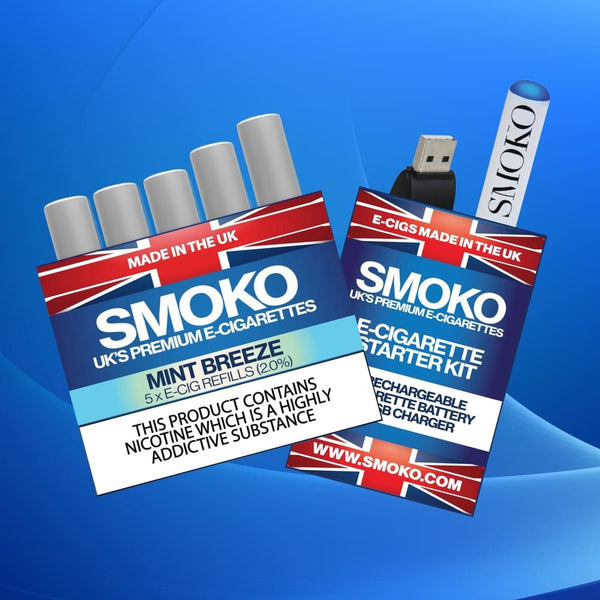
If you are a smoker looking to quit, then check out the SMOKO E-Cigarette and Vape Starter Kit deals - and don't forget to grab some SMOKO Sugar-free nicotine gum to keep you covered when you can't vape!
Frequently Asked Questions
What is the difference between nicotine gum and ordinary chewing gum?
The primary difference between nicotine gum and ordinary chewing gum is that nicotine gum delivers a controlled dose of nicotine to aid in managing cravings and withdrawal symptoms, while ordinary chewing gum is simply a product for freshening breath, keeping the mouth moist or enjoying flavour.
How does nicotine gum help with quitting smoking?
Nicotine gum aids in quitting smoking by delivering a controlled dose of nicotine, which alleviates withdrawal symptoms and cravings. This support diminishes the discomfort associated with nicotine addiction, facilitating a smoother cessation process.
Are there any side effects of using nicotine gum?
Nicotine gum can lead to side effects such as mouth or jaw discomfort, stomach issues, light-headedness, nausea, and throat or mouth irritation. Adhering to usage guidelines is essential to minimise these risks.
Can nicotine gum be used in combination with other nicotine replacement therapies?
Yes, nicotine gum can be effectively combined with a nicotine patch to manage cravings, as the gum offers rapid relief while the patch maintains steady nicotine levels.
What is the potential link between nicotine and Alzheimer's prevention?
There is a potential link between nicotine and Alzheimer's prevention, as studies indicate that nicotine may help maintain cognitive function by activating acetylcholine receptors and inhibiting the formation of harmful protein clumps associated with the disease. However, further evidence is needed to establish nicotine's effectiveness definitively.
REFERENCES
(3) World Health Organization: Dementia Fact Sheet
(4) What's The Link Between Alzheimer's And Nicotine
(5) Healthline: Can Nicotine Help Prevent Dementia Alzheimer’s?
ABOUT THE AUTHOR
Written by Dan Overgage
Dan Overgage is a former smoker of 10 years until he became a client of SMOKO E-Cigarettes. Dan started working with SMOKO 5 years ago after successfully quitting using our e-cigarettes and works across our Customer Service and heads up our content creation and research with a strong focus on all things quitting smoking. During his tenure with SMOKO, Dan has written countless blogs and consults with countless clients every day to help them to stay smoke-free.
Last updated 01/08/2025