Table of Contents
- Key Takeaways
- Smoking Cigarettes
- Understanding How Smokeless Cigarettes Work
- Health Implications and Benefits
- Types of Smokeless Cigarettes Available
- Choosing the Right Smokeless Cigarette
- Environmental Impact and Social Considerations
- Future of Smokeless Cigarettes
- Smokeless Cigarettes - Conclusion
- Frequently Asked Questions
- What are smokeless cigarettes?
- Are e-cigarettes safer than traditional cigarettes?
- Do e-cigarettes contain nicotine?
- Can vaping help me quit smoking?
- Is second-hand vapour harmful?
- References
Key Takeaways
-
Smokeless cigarettes (e-cigarettes) heat e-liquid instead of burning tobacco, producing vapour rather than smoke and reducing exposure to many harmful chemicals found in traditional cigarettes.
-
Vaping offers a range of devices, nicotine strengths, and flavours, making it a flexible option for adult smokers looking to switch from combustible tobacco products.
-
While not risk-free, evidence suggests vaping is significantly less harmful than smoking and can be an effective tool for smokers aiming to quit cigarettes.
The landscape of smoking has undergone a revolutionary transformation over the past decade. Traditional tobacco cigarettes, once the dominant form of nicotine consumption, are increasingly being replaced by innovative smokeless alternatives. These modern solutions, commonly known as e-cigarettes or vapes, have emerged as a popular choice for those seeking to reduce their dependence on conventional cigarettes or transition away from smoking altogether.
Smokeless cigarettes represent a significant technological advancement in nicotine delivery systems. Unlike traditional cigarettes that burn tobacco and produce harmful smoke through combustion, vape devices heat a liquid solution to create an aerosol or vapor that users inhale, and smokeless tobacco devices heat the tobacco without combusting it. These fundamental difference has positioned smokeless cigarettes as a potentially less harmful alternative to conventional smoking methods.
Smoking Cigarettes

Smoking remains one of the leading causes of preventable disease and death worldwide (1). The combustion of tobacco produces thousands of chemicals, including tar, carbon monoxide, and numerous toxic substances known to damage the lungs, heart, and blood vessels. Long-term smoking is strongly linked to serious health conditions such as lung cancer, chronic obstructive pulmonary disease (COPD), heart disease, stroke, and a range of other cancers.
Even light smoking can increase health risks, while exposure to second-hand smoke can also harm non-smokers. These well-established dangers have led public health organisations around the world to encourage smokers who cannot quit nicotine entirely to switch to less harmful alternatives.
Understanding How Smokeless Cigarettes Work
The technology behind smokeless cigarettes is relatively straightforward yet sophisticated. These devices consist of several key components working together to deliver nicotine without the need for tobacco combustion. The primary elements include a battery, a heating element (often called an atomizer or coil), and a cartridge or tank containing e-liquid. The e-liquid typically contains propylene glycol, vegetable glycerine, flavourings, and varying concentrations of nicotine.
When a user activates their vape device, either by pressing a button or through automatic draw activation, the battery powers the heating element. This element then heats the e-liquid to approximately 200-250°C, converting it into an aerosol that resembles smoke but is fundamentally different in composition. By contrast, heated tobacco products are specialised electronic devices that heat tobacco leaf to about 350°C (662°F) rather than vaporising e-liquid. (2)
The vapor produced by smokeless cigarettes dissipates much more quickly than traditional cigarette smoke and doesn't leave the persistent odour associated with tobacco combustion. This characteristic makes them more socially acceptable and allows users to enjoy nicotine without affecting those around them to the same extent as conventional cigarettes.
Health Implications and Benefits
The World Health Organization considers all tobacco products harmful, though smokeless cigarettes may still expose users to fewer toxic substances than combustible cigarettes. According to Public Health England, E-Cigarettes are significantly less harmful than smoking tobacco cigarettes (3). The absence of combustion means that E-Cigarettes don't produce tar, carbon monoxide, and many of the thousands of toxic chemicals found in cigarette smoke.
Traditional cigarettes contain over 7,000 chemicals, many of which are known carcinogens. In contrast, smokeless cigarettes produce fewer harmful chemicals than traditional cigarettes. Their vapour often contains nicotine, which is an addictive substance linked to dependence.
For individuals struggling to quit smoking entirely, smokeless cigarettes can serve as an effective harm reduction tool. They allow users to maintain their nicotine intake while reducing exposure to some toxicants, though questions remain about long-term health effects and some products may have higher levels of certain chemicals than vaping devices even when others are present at lower levels. Many users report improved breathing, better taste and smell sensations, and overall enhanced well-being after switching from traditional cigarettes to smokeless alternatives. However, there have also been documented cases of serious lung injury associated with vaping, so reduced harm does not mean harmless, though much of the harm from vaping is associated with a chemical called vitamin E acetate which has been used to mix illicit substances like THC into e-liquids.
Types of Smokeless Cigarettes Available
The smokeless cigarette market offers a diverse range of products designed to meet various user preferences and experience levels. Understanding the different types available can help consumers make informed decisions about which product best suits their needs.
E-Cigarettes

Disposable E-cigarettes are single-use devices that come pre-filled with e-liquid and a pre-charged battery. These are ideal for beginners or occasional users, and e cigs are one of the main electronic devices used by adults who want an alternative to smoking cigarettes. Once the e-liquid is depleted or the battery dies, the entire device is disposed of and replaced. The wasteful nature of disposable vapes, and the increase in youth uptake, are reasons behind the UK disposable vape ban 2025.
Pod Systems feature a two-part design consisting of a battery unit and replaceable pods containing e-liquid. These devices offer convenience and portability while providing better performance than disposables. Users can easily swap pods for different flavours or nicotine strengths.
Vape Pens are elongated devices that resemble oversized pens. They typically feature refillable tanks and replaceable coils, offering more customisation options and longer-term value. These devices are popular among users who want more control over their vaping experience. In the UK, 19% of adults have tried e-cigarettes.
Box Mods are larger, more powerful devices designed for experienced users. They offer extensive customisation options, including adjustable wattage, temperature control, and the ability to use various tank systems. These devices provide the most vapor production and flavour intensity.
Research suggests vaping can help people stop smoking, and a 2021 review found e-cigarette users were about twice as likely to quit (4) . Quitting smoking is more successful with behavioural support, and e-cigarettes can double success rates further with support.
Heated Tobacco Products
Heated tobacco products are marketed as a "smokeless tobacco product" because they are heat not burn products that use electronic devices to heat tobacco leaf rather than burn it, placing them in a different category from e-cigarettes and other tobacco products. These products may produce some toxicants at lower levels than cigarettes but often at higher levels than e-cigarettes, so reduced exposure does not make them risk free.
Leading brands include IQOS from Philip Morris International and Eclipse, and IQOS was the first heated tobacco product sold in the U.S. The degree to which the harm is reduced is still debated (5), despite tobacco companies' own studies and marketing latching on to the established "95% less harmful than cigarettes" claim associated with e-cigarettes.
Choosing the Right Smokeless Cigarette
Selecting the appropriate smokeless cigarette depends on several factors, including experience level, lifestyle, and personal preferences. New users should consider starting with simpler devices that require minimal maintenance and offer a familiar smoking experience.
Nicotine strength is a crucial consideration when choosing smokeless cigarettes. Heavy smokers may require higher nicotine concentrations initially, while light smokers or those looking to reduce their nicotine intake might prefer lower strengths. Most manufacturers offer nicotine levels ranging from 0mg to 50mg per millilitre, allowing users to gradually reduce their consumption over time, but the maximum strength legally available in the UK is 20mg per millilitre (a 2% strength e-liquid).
Flavour variety is another significant advantage of smokeless cigarettes. Unlike traditional cigarettes, which are limited to tobacco and menthol flavours, smokeless alternatives offer an extensive range of options including fruits, desserts, beverages, and traditional tobacco flavours . This variety can help make the transition from smoking more enjoyable and sustainable.
Consider the device's battery life and charging requirements, especially for daily users. Devices with longer battery life or quick-charging capabilities can prevent interruptions in use. Additionally, evaluate the ongoing costs, including replacement coils, pods, or e-liquid, to understand the long-term financial commitment. If you want to stop smoking, combine your product choice with professional support such as NHS Stop Smoking Services, which can triple your chances of quitting.
Environmental Impact and Social Considerations
Smokeless cigarettes offer several environmental advantages over traditional tobacco products. The reduction of tobacco cultivation reduces the environmental impact associated with farming, including pesticide use, deforestation, and water consumption. Additionally, E-Cigarettes don't produce cigarette butts, which are among the most commonly littered items worldwide and can take up to 25 years to decompose.
However, the environmental impact of smokeless cigarettes isn't entirely positive. Disposable devices contribute to electronic waste, and the production of e-liquid requires resources and energy. Responsible manufacturers are increasingly focusing on sustainable practices, including recyclable packaging and device take-back programs.

Socially, smokeless cigarettes have gained greater acceptance in many environments where traditional smoking is prohibited. The reduced odour and secondhand aerosol make them less intrusive to others. However, users should always respect local regulations and social norms regarding their use in public spaces. Some public health experts also warn that IQOS marketing targets youth with high-tech imagery that can appeal to young people. Youth uptake remains a concern, with E Cigarette use among U.S. high school students rising 78% from 2017 to 2018.
The World Health Organization continues to evaluate the long-term effects of e-cigarettes, emphasising the need for continued research and appropriate regulation to ensure public health protection while acknowledging their potential as harm reduction tools for current smokers.
Future of Smokeless Cigarettes
The smokeless cigarette industry continues to evolve rapidly, with ongoing technological innovations and regulatory developments shaping its future. Advances in battery technology, heating elements, and e-liquid formulations are constantly improving the user experience and device performance.
Research into the long-term effects of smokeless cigarettes continues, with studies examining their effectiveness as smoking cessation tools and their overall health impact. The National Cancer Institute and other health organisations are actively studying these products to better understand their role in tobacco harm reduction and broader patterns of tobacco use.
Regulatory frameworks are becoming more sophisticated, with many countries implementing specific legislation for smokeless cigarettes. These regulations aim to ensure product quality and safety while restricting access to minors and preventing marketing to non-smokers, but uptake also varies by country; for example, 1.7% of most adults in Great Britain had tried heated tobacco products in 2017.
The technology behind smokeless cigarettes is likely to become more advanced, with features like smart connectivity, precise temperature control, and improved safety mechanisms becoming standard. These developments will continue to enhance the user experience while addressing health and safety concerns.
Smokeless Cigarettes - Conclusion
Smokeless cigarettes represent a significant advancement in nicotine delivery technology, offering a potentially less harmful alternative to traditional tobacco smoking. With their diverse range of products, flavours, and nicotine strengths, these devices provide flexibility and customisation that traditional cigarettes cannot match. While they are not entirely risk-free, the substantial reduction in harmful chemicals compared to combustible tobacco makes them an attractive option for current smokers seeking to reduce their health risks.
As the technology continues to evolve and our understanding of their long-term effects improves, smokeless cigarettes are likely to play an increasingly important role in tobacco harm reduction strategies. For individuals considering making the switch from traditional cigarettes, smokeless alternatives offer a pathway to potentially improved health outcomes while maintaining nicotine satisfaction. However, it's essential to approach any smoking or vaping product with an understanding of the associated risks and to consult healthcare providers when making decisions about nicotine use.
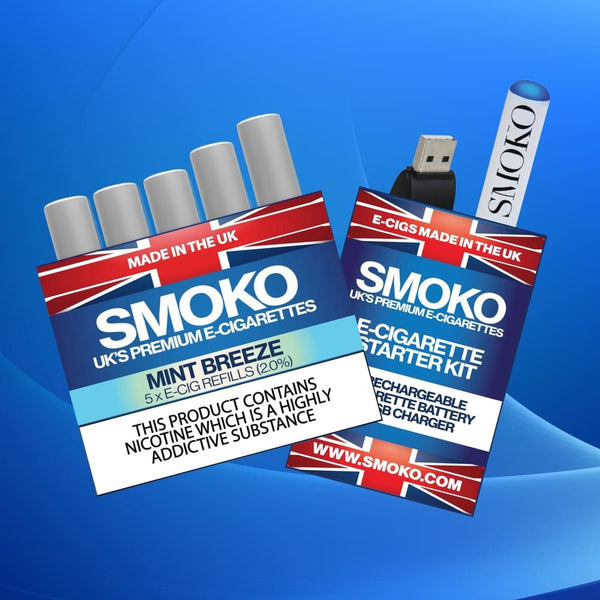
If you are a smoker looking to quit, then check out the SMOKO E-Cigarette and Vape starter kit deals! Containing our UK-made e-liquid, our E-Cigs and vapes have helped thousands of smokers quit for over 12 years, providing a hassle-free vaping experience - perfect for smokers looking for an easy, straightforward transition to vaping.
Frequently Asked Questions
What are smokeless cigarettes?
Smokeless cigarettes, including e-cigarettes or vapes, are battery-powered devices that heat e-liquid to create a vapour for inhalation without burning tobacco. Heated tobacco products use heat-not-burn technology on tobacco sticks for a less harmful smoking experience.
Are e-cigarettes safer than traditional cigarettes?
While not completely risk-free, e-cigarettes are generally considered significantly less harmful than smoking because they do not produce tar or many of the toxic chemicals created by burning tobacco. That said, people asking 'are E-Cigarettes safe' should know they are not risk free and are not considered safe in pregnancy, so pregnant women should use licensed stop-smoking options instead.
Do e-cigarettes contain nicotine?
Many e-cigarettes contain nicotine, but nicotine-free options are also available. Users can choose from different nicotine strengths to suit their preferences.
Can vaping help me quit smoking?
Many adult smokers have successfully used vaping as a smoking cessation tool. Choosing the right device and nicotine strength can make switching from cigarettes easier. Nicotine gum is one nicotine replacement therapy option, and it’s best to get support when choosing a quit method.
Is second-hand vapour harmful?
Current evidence suggests that second-hand vapour contains far fewer harmful substances than second-hand cigarette smoke, although long-term research is still ongoing.
References
(1) Tobaccofree.org - The Problem
(2) CDC - Heated Tobacco Products
(3) E-cigarettes around 95% less harmful than tobacco estimates landmark review
(4) Cochrane Library: Electronic cigarettes for smoking cessation
(5) E-cigarettes, heated tobacco and smokeless tobacco products
ABOUT THE AUTHOR
Written by Dan Overgage
Dan Overgage is a former smoker of 10 years until he became a client of SMOKO E-Cigarettes. Dan started working with SMOKO 6 years ago after successfully quitting using our e-cigarettes and works across our Customer Service and heads up our content creation and research with a strong focus on all things quitting smoking. During his tenure with SMOKO, Dan has written countless blogs and consults with countless clients every day to help them to stay smoke-free.
Last updated 05/06/2026