Table of Contents
- Key Takeaways
- What Are Smoker’s Teeth?
- Visible Signs and Symptoms
- Progressive Tooth Discoloration
- Bad Breath and Dry Mouth
- Gingival Changes and Gum Problems
- Increased Plaque and Tartar Formation
- Health Risks Associated with Smoker’s Teeth
- Gum Disease and Tooth Loss
- Oral Cancer Risk
- Delayed Healing and Surgical Complications
- Systemic Health Connections
- Hidden Dangers: Why Smokers’ Gums Don’t Always Bleed
- Treatment Options for Smoker’s Teeth
- The Importance of Quitting Smoking
- Timeline of Oral Health Improvement
- Reversal of Specific Conditions
- Smoking Cessation Support Strategies
- Special Considerations for E-Cigarettes
- Prevention and Long-Term Oral Health Maintenance
- Establishing Optimal Oral Hygiene Routines
- Professional Monitoring and Maintenance
- Nutritional Support for Oral Healing
- Managing Stress and Preventing Relapse
- Taking Action for Your Oral Health
- FAQ
- REFERENCES
Key Takeaways
Understanding smokers teeth requires grasping several critical facts that every tobacco user should know:
-
Permanent staining occurs rapidly: Nicotine stains and tar stains are stubborn yellow and brown stains that penetrate tooth enamel within weeks of regular smoking
-
Health risks multiply dramatically: Smokers face 6 times higher risk of developing gum disease, a range of dental problems, and 10 times greater chance of developing mouth cancer
-
Professional intervention is often necessary: While at-home care helps, professional teeth whitening and dental treatment are typically required to address significant damage
-
Hidden symptoms complicate diagnosis: Nicotine restricts blood flow, meaning bleeding gums and other typical warning signs may not appear even when serious gum disease is present
-
Complete recovery takes time: After quitting smoking, oral health risks gradually return to normal levels, but this process takes approximately 11 years
Introduction
When you light up a cigarette, the damage to your teeth begins within minutes. What starts as seemingly harmless yellow staining quickly evolves into a complex web of oral health problems that extend far beyond cosmetic concerns. Smokers teeth represent one of the most visible and preventable consequences of tobacco use, affecting millions of people worldwide with consequences that can last a lifetime.
How does smoking impact your oral health? This article explores the critical question: how does smoking contribute to teeth discoloration, gum disease, and oral cancer?
The statistics are sobering: anyone who smokes faces a six-fold increase in gum disease risk compared to non smokers, while their chances of developing oral cancer skyrocket by 1000% (1) - that’s a 10-fold increase! Yet many smokers remain unaware of the hidden dangers lurking beneath the surface - dangers that nicotine’s effects on blood flow can mask until serious damage has already occurred.
This comprehensive guide examines everything you need to know about smokers teeth, from the underlying mechanisms that cause tooth discoloration to the latest treatment options and quit smoking products - like E-Cigarettes. Whether you’re currently struggling with tobacco use or seeking to understand the full scope of smoking’s impact on oral health, you’ll discover evidence-based insights that can help protect your teeth and gums for years to come. We will also explain how smoking affects your oral health and why quitting is crucial for prevention.
What Are Smoker’s Teeth?

Smokers teeth encompass both the visible discoloration and hidden dental damage directly caused by tobacco use (2). This condition affects far more than just appearance - it represents a comprehensive assault on overall oral health that begins the moment smoke enters your mouth.
The primary culprits behind tooth staining are nicotine and tar, two compounds found in all tobacco products. Nicotine stains are a major contributor to the yellow and brown discoloration seen in smokers. While nicotine itself is colourless, it undergoes oxidation when exposed to air or oral enzymes, transforming into a yellow substance that adheres to tooth surfaces. Tar, naturally dark brown or black, compounds this effect by creating sticky deposits that resist normal brushing and flossing.
These substances don’t simply coat the outside of your natural teeth. Instead, they penetrate the porous structure of tooth enamel, creating intrinsic stains that become increasingly difficult to remove over time. It is especially challenging to remove stains caused by smoking, as they are deeply embedded in the enamel. This is why regular over the counter whitening products often prove ineffective against the deep discoloration characteristic of heavy tobacco use.
Dental professionals can easily identify smokers teeth during routine examinations. Beyond the obvious staining, they look for increased bacterial plaque accumulation, changes in gum colour and texture, and the distinctive pattern of damage that tobacco creates throughout the mouth. This clinical recognition often serves as a starting point for discussions about tobacco cessation and treatment options.
Visible Signs and Symptoms of the Effects of Smoking on Teeth and Gums
The progression of smokers teeth follows a predictable pattern that worsens with continued tobacco use. Visible signs often indicate underlying dental problems, which can become more severe if not addressed. Understanding these stages can help individuals recognise when intervention is needed and motivate necessary changes in smoking habits.
Progressive Tooth Discoloration
The most obvious sign of smokers teeth is the characteristic yellow to brown staining that develops over time. Light smokers may notice subtle yellowing within weeks, while those who smoke half a packet or more daily can experience dramatic colour changes within months. In severe cases, teeth may appear almost black, particularly along the gum line where tar and nicotine concentrate.
This discoloration typically affects all teeth but tends to be most pronounced on the front teeth and areas where saliva flow is reduced. The lower front teeth often show the heaviest staining due to their proximity to the tongue and the natural pooling of tobacco residue in this area.
Bad Breath and Dry Mouth
Chronic bad breath affects nearly all tobacco users and results from multiple factors. Smoking reduces saliva production, creating dry mouth conditions that allow odour-causing bacteria to flourish. The combustion products from cigarettes also leave lingering odours that combine with bacterial activity to create persistent halitosis that regular brushing cannot eliminate (3).
Dry mouth, medically known as xerostomia, compounds these problems by reducing the mouth’s natural cleaning mechanism. Saliva normally helps remove plaque and neutralise acids produced by bacteria, so its reduction accelerates tooth decay and disease progression.
Gingival Changes and Gum Problems
The effects of smoking on teeth and gums extend well beyond simple staining. Smokers typically develop characteristic changes in their gum tissue that experienced dental professionals can immediately recognise.
Gum recession becomes increasingly common as smoking weakens the attachment between gums and teeth. This exposes tooth roots, making teeth appear longer and creating sensitive areas that react painfully to hot or cold temperatures. The exposed roots also provide new surfaces for stain accumulation and bacterial colonisation. Smoking also reduces blood flow to the gums, which impairs healing and worsens these tissue changes. (4)
Many smokers also develop a condition called periodontal disease, which begins as gingivitis but can progress to severe periodontitis if left untreated. Unlike non-smokers with gum disease, smokers may not experience the typical warning sign of bleeding gums due to nicotine’s effect on blood circulation. (5)
Increased Plaque and Tartar Formation
Tobacco use significantly increases the rate at which dental plaque accumulates on tooth surfaces. The sticky byproducts of cigarette smoke bind to existing plaque, making it harder to remove through regular oral hygiene practices. This enhanced plaque formation requires more frequent professional cleanings and more diligent at-home care.
Tartar, the hardened form of plaque that can only be removed by dental professionals, also forms more rapidly in smokers. This creates a cycle where regular dental visits become even more critical for maintaining oral health, yet many smokers avoid these appointments due to embarrassment about their condition. Regular cleanings are especially important for smokers to manage increased tartar formation.
Health Risks Associated with Smoker’s Teeth
The health consequences of smokers teeth extend far beyond cosmetic concerns, encompassing serious conditions that can affect overall health and quality of life. Smoking also significantly increases the risk of lung diseases and oral cancers, both of which are among the most immediate and serious health risks associated with tobacco use. Understanding these risks provides crucial motivation for both treatment and smoking cessation.
Gum Disease and Tooth Loss
The relationship between smoking and periodontal disease represents one of the most serious aspects of tobacco-related oral health problems. Research consistently shows that gum disease compared between smokers and non-smokers reveals a stark difference - smokers are six times more likely to develop severe periodontal disease.
This increased risk stems from multiple mechanisms. Smoking impairs the immune system’s ability to fight bacterial infections in the mouth, while also reducing blood flow to gum tissues. The combination creates an environment where harmful bacteria can flourish and cause progressive damage to the tissues and bone supporting teeth.
Early intervention and effective disease control are crucial to prevent the progression of periodontal disease and avoid severe outcomes such as tooth loss. Professional dental procedures like scaling and root planing, along with regular monitoring, play a key role in managing and controlling the disease.
The progression typically follows this pattern:
|
Stage |
Condition |
Symptoms |
Reversibility |
|---|---|---|---|
|
Early |
Gingivitis |
Red, swollen gums |
Fully reversible |
|
Moderate |
Early periodontitis |
Gum recession, pocket formation |
Partially reversible |
|
Advanced |
Severe periodontitis |
Loose teeth, bone loss |
Irreversible damage |
|
End-stage |
Tooth loss |
Missing teeth |
Requires replacement |
What makes this progression particularly dangerous for smokers is that nicotine’s vasoconstrictive effects can mask early warning signs. While non-smokers with gum disease typically experience bleeding gums that alert them to problems, smokers may not see this symptom until disease has already advanced significantly.
Oral Cancer/Mouth Cancer Risk
Perhaps the most serious health risk associated with tobacco use is the dramatically increased chance of developing oral cancer. Regular smokers face up to a 1000% increase in oral cancer risk compared to those who have never used tobacco products.
This elevated risk affects multiple areas within the mouth, including:
-
Lips and tongue
-
Floor of the mouth
-
Cheeks and gums
-
Throat and tonsils
-
Salivary glands
Early signs of oral cancer may include white or red patches inside the mouth, persistent sores that don’t heal, unexplained bleeding, or changes in the texture of oral tissues. Unfortunately, these symptoms are often painless in early stages, leading many people to ignore them until the cancer has progressed.
The synergistic effect between tobacco and alcohol use further amplifies cancer risk. Individuals who both smoke and drink heavily face exponentially higher odds of developing oral cancer than those who engage in either behaviour alone. (6)
Delayed Healing and Surgical Complications
Smoking affects the body’s natural healing processes in ways that create significant complications for dental treatments. The reduced blood flow caused by nicotine means that tissues receive less oxygen and nutrients needed for repair, while the toxic chemicals in tobacco smoke interfere with cellular regeneration.
These effects become particularly problematic when smokers require dental procedures such as:
-
Tooth extractions
-
Dental implants
-
Bone grafts
-
Gum surgery
-
Root canal treatments
In cases of bone loss due to smoking-related tooth loss or injury, restorative surgery may be necessary to rebuild bone structure and support dental implants or crowns. This often involves the use of synthetic bone grafts to promote bone regeneration during reconstructive procedures.
Smokers face higher rates of complications including dry socket after extractions, implant failure, and poor wound healing. Many dental professionals now require patients to quit smoking for several weeks before and after major procedures to minimise these risks.
Systemic Health Connections
The oral health problems associated with smokers teeth don’t remain confined to the mouth. Research has established clear links between periodontal disease and several serious systemic conditions, including diabetes, cardiovascular disease, and stroke.
The mechanism involves chronic inflammation and bacterial translocation from infected gums into the bloodstream. This creates systemic inflammation that can exacerbate existing health conditions or contribute to the development of new ones. For pregnant women, severe gum disease has been linked to premature birth and low birth weight babies.
Hidden Dangers: Why Smokers’ Gums Don’t Always Bleed
One of the most insidious aspects of smoking’s effect on oral health involves how nicotine masks typical symptoms of gum disease. In non-smokers, bleeding gums serve as an early warning system that alerts individuals to developing problems and prompts them to seek treatment.
However, nicotine’s powerful vasoconstrictive properties reduce blood flow throughout the mouth, including to infected gum tissues. This means that even when significant bacterial infection and tissue damage are present, the characteristic bleeding may be minimal or absent entirely.
This masking effect creates several problems:
-
Delayed diagnosis: Without obvious symptoms, problems progress undetected
-
Advanced disease at discovery: By the time symptoms become apparent, significant damage has often occurred
-
False sense of security: Patients may believe their oral health is better than it actually is
-
Reduced treatment success: Advanced disease is more difficult and expensive to treat
Regular dental check-ups become absolutely critical for smokers because professional examination and diagnostic tools like X-rays can detect problems that aren't visible to patients themselves. Regular checkups with a dental professional are essential for early detection of hidden oral health issues, especially for those at higher risk due to smoking. Dental professionals know to look beyond surface symptoms when evaluating the oral health of tobacco users.
Treatment Options for Smoker’s Teeth
Addressing the damage caused by smokers teeth requires a comprehensive approach that combines professional dental treatment with improved at-home care. One of the main goals of treatment is to remove stains caused by smoking, which can significantly improve the appearance of teeth. The effectiveness of any treatment plan depends heavily on whether the individual continues smoking, as ongoing tobacco use will counteract many therapeutic interventions.
Professional Dental Interventions
Professional Teeth Cleaning and Scaling

The foundation of treating smokers teeth begins with thorough professional cleaning to remove accumulated plaque and tartar that harbour both stains and harmful bacteria. For smokers, these cleanings typically need to be more frequent and intensive than standard procedures.
Scaling and root planing, sometimes called “deep cleaning,” may be necessary when gum disease is present. This procedure involves removing bacterial deposits from below the gum line and smoothing tooth root surfaces to prevent future bacterial colonisation. The process may require multiple appointments and local anaesthesia for patient comfort.
Professional Teeth Whitening
For addressing the stubborn stains characteristic of smokers teeth, professional whitening represents the most effective option. These treatments use concentrated hydrogen peroxide solutions that can penetrate deep into tooth enamel to break apart the intrinsic stains that over-the-counter products cannot reach.
Professional whitening procedures typically cost between £200 and £1,000, depending on the severity of staining and the specific techniques used. Some dentists incorporate UV light or laser technology to enhance the effectiveness of whitening agents, though these additions may increase costs.
The results can be dramatic, often lightening teeth by several shades in a single session. However, it’s crucial to understand that continued smoking will rapidly recreate stains, making the investment counterproductive without accompanying behavioural changes.
Advanced Periodontal Treatments
When gum disease has progressed beyond early stages, more aggressive interventions may be necessary. These can include:
-
Flap surgery to access and clean infected areas below the gum line
-
Bone grafts to restore bone loss caused by periodontal disease
-
Soft tissue grafts to cover exposed tooth roots
-
Guided tissue regeneration to encourage regrowth of damaged structures
Restorative Dentistry
In severe cases where tooth loss has occurred, restorative options become necessary. Dental implants offer the most comprehensive solution for replacing missing teeth, but success rates are significantly lower in smokers due to impaired healing. Some dental professionals may require smoking cessation before proceeding with implant placement.
Other restorative options include bridges and partial dentures, though these also present challenges in the smoker population due to ongoing gum disease risk and healing complications.
At-Home Care Strategies for Good Oral Hygiene
While professional treatment is often necessary for significant damage, improved home care plays a crucial role in maintaining results and preventing further deterioration.
Enhanced Oral Hygiene Protocols
Smokers require more intensive daily oral care than non-smokers to combat the increased bacterial load and stain accumulation. This includes:
-
Daily brushing at least twice with fluoride toothpaste, preferably using an electric toothbrush that provides superior plaque removal
-
Daily flossing or use of interdental brushes to clean between teeth where bacteria and stains concentrate
-
Regular use of antimicrobial mouthwash to reduce bacterial populations
-
Tongue scraping to remove bacteria and debris that contribute to bad breath
Whitening Toothpaste and Products
While not as effective as professional treatments, whitening toothpaste containing hydrogen peroxide can help manage surface stains between dental visits. These products work best for maintaining results after professional whitening rather than achieving dramatic improvements on their own.
It’s important to use these products as directed and not exceed recommended usage, as overuse can lead to tooth sensitivity and enamel damage.
Sugar Free Gum and Saliva Stimulation
Given that smoking reduces saliva production, strategies to stimulate saliva flow can help improve oral health. Sugar free gum, particularly varieties containing xylitol, can help neutralise acids and remove plaque while promoting saliva production.
Staying well-hydrated and avoiding additional factors that reduce saliva flow (such as certain medications or mouth breathing) also supports the mouth’s natural cleaning mechanisms.
The Importance of Quitting Smoking
While professional dental treatment can address many of the visible effects of smokers teeth, quitting smoking remains the single most important step for achieving long-term oral health improvement. The benefits of smoking cessation extend far beyond preventing further damage - they include active healing and risk reduction that begins within days of stopping tobacco use.

Timeline of Oral Health Improvement
The body’s remarkable ability to heal becomes evident surprisingly quickly after smoking cessation:
First 24-48 Hours
-
Blood flow to gum tissues begins to improve
-
Oxygen levels in the mouth increase
-
The healing environment starts to normalise
First Month
-
Saliva production gradually returns to normal levels
-
Bad breath begins to improve as bacterial populations rebalance
-
Taste and smell sensitivity start to recover
3-6 Months
-
Gum inflammation reduces noticeably
-
Tooth stains may begin to fade slightly through natural processes
-
Risk of surgical complications decreases significantly
1-2 Years
-
Gum disease progression slows dramatically
-
Natural healing of minor gum damage occurs
-
Cancer risk begins to decline measurably
5-10 Years
-
Oral cancer risk reduces by approximately 50%
-
Periodontal disease risk approaches that of never-smokers
-
Overall oral health shows substantial improvement
11+ Years
-
Risk of gum disease returns to near-baseline levels
-
Long-term cancer risk continues to decline
-
Maximum healing benefits are typically achieved
Reversal of Specific Conditions
Certain smoking-related oral conditions show remarkable improvement after cessation:
Smoker’s Melanosis: The darkening of gum tissue that affects many long-term smokers typically begins to reverse within months of quitting, with complete resolution often occurring within 36 months.
Gum Disease Progression: While existing bone loss cannot be reversed, the active progression of periodontal disease slows dramatically and may halt entirely with proper dental care.
Healing Capacity: Perhaps most importantly, the mouth’s ability to heal from procedures and resist infection improves substantially, making dental treatments more successful and durable.
Smoking Cessation Support Strategies
Successfully quitting smoking often requires a multi-faceted approach that addresses both the physical addiction to nicotine and the psychological habits associated with tobacco use.
Nicotine Replacement Therapy

Various forms of nicotine replacement can help manage withdrawal symptoms while breaking the behavioural patterns associated with smoking:
-
Nicotine patches provide steady, controlled nicotine delivery
-
Nicotine gum allows for flexible dosing in response to cravings
-
Lozenges offer discreet nicotine delivery throughout the day
-
Prescription medications like varenicline can reduce cravings and the rewarding effects of nicotine
Behavioural Support
Many successful quitters benefit from professional counselling or support groups that help identify triggers and develop coping strategies. Behavioural therapy can be particularly effective when combined with pharmacological approaches.
Dental Team Involvement
Your dental team can play a crucial role in smoking cessation efforts by:
-
Providing motivation through education about oral health consequences
-
Monitoring improvement in oral health as cessation progresses
-
Offering encouragement and support during challenging periods
-
Connecting patients with additional cessation resources
Special Considerations for E-Cigarettes

E-Cigarettes are considered a safer alternatives to traditional cigarettes, with Public Health England's evidence reviews indicating they reduce the harm from smoking by 95%. There is conflicting information on the oral health risks that E-Cigarettes pose. These devices deliver nicotine via an aerosolised mixture of propylene glycol (PG), vegetable glycerine (VG) and flavourings.
One study from Cardiff Metropolitan University put out a study making many claims about the risks to oral health from E-Cigarettes (7), but many of these claims were unsubstantiated - like E-Cigarettes being associated with cancer. Cancer Research UK's own study on vaping concluded that E-Cigarettes are 97% less harmful than smoking tobacco cigarettes!
Newcastle University vaping and dentistry experts Dr Richard Holliday, Professor Elaine McColl, Anthony Weke and Zelia Sayeed all disagreed with the conclusions put out from the Cardiff study, stating they were ‘disappointed to see several basic errors and misrepresentations’ in the paper. They pointed out nicotine replacement products have been used for over 30 years and are regarded as extremely safe, that diacetyl (a chemical associated with the condition 'popcorn lung') is not used in most flavoured vapes as it is prohibited from inclusion in e-liquids made in the UK and EU, and felt that the Cardiff study misrepresented the public health guidance with regard to E-Cigarettes.
With that said, E-Cigarettes do reduce saliva production and can cause dry mouth as the main ingredients - PG and VG - are hygroscopic, meaning they attract water. The only other observation worth mentioning is that E-Cigarettes cause methylation in oral tissue - this is a process where environmental stressors change how cells read their DNA by attaching a methyl group to it. This is evidence that E-Cigarettes are not entirely risk-free, however this is being used as evidence that E-Cigarettes cause cancer because methylation occurs from smoking.
From an oral health perspective, complete cessation of all nicotine products represents the optimal goal, though transitioning from traditional cigarettes to E-Cigarettes and vapes may offer some harm reduction benefits during the quitting process.
Prevention and Long-Term Oral Health Maintenance
Successfully addressing smokers teeth requires more than just treating existing damage - it demands a comprehensive approach to preventing future problems and maintaining the improvements achieved through treatment and smoking cessation.
Establishing Optimal Oral Hygiene Routines
Former smokers need to maintain enhanced oral hygiene practices long after quitting to ensure continued improvement in their oral health. The bacterial changes that occur during smoking can persist for months or even years, requiring ongoing vigilance.
Advanced Tools and Techniques
Electric toothbrushes have proven particularly beneficial for former smokers, as they remove plaque more effectively than manual brushing. The improved cleaning action helps prevent the rapid plaque accumulation that smoking promotes, even after cessation.
Water flossers can supplement traditional flossing, particularly for individuals with compromised gum health or dental work that makes conventional flossing difficult.
Professional Monitoring and Maintenance
The importance of regular dental visits increases significantly for current and former smokers. Professional monitoring serves multiple critical functions in maintaining long-term oral health.
Recommended Visit Frequency
Most dental professionals recommend that former smokers maintain more frequent check-ups than the standard twice-yearly schedule, at least initially. Quarterly visits during the first year after quitting allow for:
-
Close monitoring of gum healing progress
-
Early detection of any complications or setbacks
-
Professional cleaning to maintain optimal oral hygiene
-
Reinforcement of home care techniques
Comprehensive Oral Cancer Screening
Given the elevated cancer risk associated with tobacco use, regular oral cancer screenings become a lifelong necessity. These screenings should include:
-
Visual examination of all oral tissues
-
Physical palpation of the neck and jaw areas
-
Use of specialised lights or dyes to detect abnormal tissue changes
-
Biopsy of suspicious lesions when indicated
Early detection dramatically improves treatment outcomes for oral cancer, making these screenings one of the most important aspects of long-term care for former tobacco users.
Nutritional Support for Oral Healing

Proper nutrition plays a crucial role in supporting the healing processes that occur after smoking cessation. Certain nutrients are particularly important for oral tissue repair and maintaining strong teeth and bones.
Essential Nutrients for Oral Health
-
Calcium and Vitamin D: Critical for maintaining bone density and supporting the structures that hold teeth in place
-
Vitamin C: Essential for collagen production and gum tissue health
-
Vitamin A: Supports tissue repair and immune function
-
Omega-3 fatty acids: Help reduce inflammation and support healing
Dietary Considerations
Former smokers should focus on:
-
Increasing consumption of fresh fruits and vegetables
-
Ensuring adequate protein intake to support tissue repair
-
Limiting sugary and acidic foods that can contribute to tooth decay
-
Staying well-hydrated to support saliva production
Managing Stress and Preventing Relapse
Stress management becomes particularly important for former smokers, as stress is one of the most common triggers for relapse. Developing healthy coping mechanisms helps protect both overall health and the oral health improvements achieved through cessation.
Stress Reduction Strategies
-
Regular exercise to manage stress and improve overall health
-
Meditation or mindfulness practices to develop better stress responses
-
Professional counselling when needed to address underlying issues
-
Building strong social support networks
Avoiding Relapse Triggers
Common relapse triggers include:
-
Social situations where others are smoking
-
Alcohol consumption, which can lower inhibitions
-
High-stress periods in life
-
Boredom or habitual situations previously associated with smoking
Developing specific plans for handling these situations increases the likelihood of maintaining long-term cessation success.
Taking Action for Your Oral Health
Smokers teeth represent far more than a cosmetic concern - they signal a complex web of health risks that affect not just your mouth, but your entire body. From the sixfold increase in gum disease risk to the devastating 1000% elevation in oral cancer probability, the consequences of continued tobacco use extend well beyond yellowed tooth enamel.
The path forward requires commitment to both professional dental treatment and smoking cessation. While advanced whitening techniques and periodontal treatments can address much of the visible damage, only complete tobacco cessation can halt the progression of disease and allow your body’s remarkable healing capacity to restore oral health.
The encouraging news is that improvement begins almost immediately after quitting smoking. Within hours, blood flow to your gums starts to normalise. Within months, your risk of surgical complications decreases dramatically. And within a decade, your oral cancer risk drops by half, while your overall periodontal disease risk approaches that of someone who never smoked.
Don’t wait for more serious symptoms to develop. The masking effects of nicotine on bleeding gums mean that significant damage may already be present even if you feel fine. Schedule a comprehensive dental examination today to assess your current oral health status and develop a treatment plan tailored to your specific needs.
Remember that your dental team wants to help, not judge. Dental professionals understand the challenges of tobacco addiction and can provide valuable support throughout your journey toward better oral health. Whether you’re ready to quit smoking immediately or need time to prepare, taking that first step toward professional care is crucial for protecting your teeth and gums for years to come.
Your smile - and your health - are worth the investment. The longer you wait, the more extensive and expensive treatment becomes. If you are looking to quit smoking - maybe you have tried nicotine replacement therapy with no luck - then consider making the switch to E-Cigarettes!
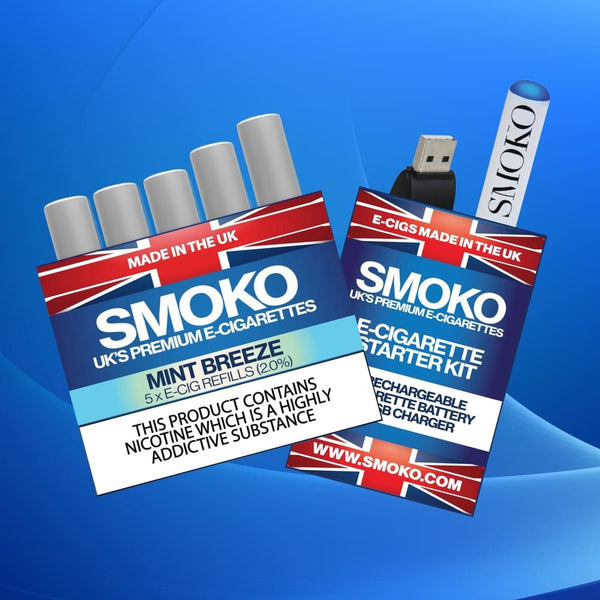
Evidence indicates that E-Cigarettes are more effective than nicotine replacement therapy for helping smokers to quit (8) and they eliminate 95% of the harm from smoking but still satisfy the hand-to-mouth action that smokers are used to. Check out the SMOKO E-Cigarette and Vape starter kit deals for a reliable prefilled vape containing our UK-made e-liquids that are registered with the Medicines and Healthcare Products Regulatory Agency (MHRA) and held to the highest standards set out by the Tobacco and Related Products Regulation (TRPR) and the Tobacco Products Directive (TPD).
Make the switch with SMOKO and save your smile!
FAQ
How long does it take for smoker’s teeth to develop?
Visible staining can appear within weeks of regular smoking, with noticeable yellowing often evident after just a few months of consistent tobacco use. However, the timeline varies significantly based on smoking intensity - those who smoke half a packet or more daily will see changes much faster than occasional smokers. The deeper health consequences, including gum disease and bone loss, typically develop over months to years of continued exposure.
Can smoker’s teeth be completely reversed?
Surface stains can often be dramatically improved or eliminated through professional whitening treatments, but some effects of smoking on oral health may be permanent. While professional teeth cleaning and whitening can restore much of the natural tooth colour, structural damage such as bone loss from periodontal disease cannot be fully reversed. However, stopping further progression through smoking cessation and proper dental care can prevent additional damage and allow for significant improvement in oral health.
How much does professional whitening cost for smokers?
Professional teeth whitening for smokers typically ranges from £200 to £1,000, depending on the severity of staining and the specific treatment method used. In-office treatments using concentrated hydrogen peroxide and advanced technology tend to be more expensive but also more effective for the deep, intrinsic stains common in smokers teeth. However, it’s important to understand that continued smoking will rapidly recreate stains, making the investment counterproductive without accompanying smoking cessation.
When should I see a dentist about smoker’s teeth?
You should seek immediate dental consultation if you notice any signs of tooth discoloration, persistent bad breath, gum changes, or white and red patches in your mouth. Early intervention is crucial for preventing more serious complications and preserving your natural teeth. Even if you’re not experiencing obvious symptoms, current and former smokers should maintain regular dental visits more frequently than non-smokers, as many smoking-related oral health problems can progress silently due to nicotine’s masking effects on typical warning signs like bleeding gums.
REFERENCES
(1) Study: Smoking Increases Oral Cancer Risk by 1000%
(2) Bupa: Effects of smoking on your oral health
(3) Influence of tobacco smoking on the development of halitosis
(4) How Does Tobacco Cause Gum Recession?
(5) The Warning Signs of Gum Disease
(6) Cancer Risk Associated with Alcohol and Tobacco Use: Focus on Upper Aero-digestive Tract and Liver
(7) Erosive potential of commonly available vapes: a cause for concern?
ABOUT THE AUTHOR
Written by Dan Overgage
Dan Overgage is a former smoker of 10 years until he became a client of SMOKO E-Cigarettes. Dan started working with SMOKO 5 years ago after successfully quitting using our e-cigarettes and works across our Customer Service and heads up our content creation and research with a strong focus on all things quitting smoking. During his tenure with SMOKO, Dan has written countless blogs and consults with countless clients every day to help them to stay smoke-free.
Last updated 01/08/2025