Table of Contents
- Key Takeaways
- The Clinical Evidence Behind UK Electronic Cigarettes for Smoking Cessation
- Real Quit Smoking Success Stories from UK Vapers
- Understanding the Science of Nicotine Replacement Through Electronic Nicotine Delivery Systems (ENDS)
- Choosing the Right Vaping Setup for Smoking Cessation
- The Economic Benefits of Switching to Electronic Cigarettes
- Overcoming Common Challenges in the Switch
- Long-term Health Improvements and Success Maintenance
- Support Systems and Resources for Success
- Looking Forward: The Future of Vaping in Smoking Cessation
- FAQ: UK Vaping for Smoking Cessation
- References
Discover how UK vaping has become a leading smoking cessation method with real success stories, clinical evidence, and practical guidance for smokers looking to quit.
Key Takeaways
-
Vaping Proven to Help Smokers Quit – UK research consistently shows that E-Cigarettes are one of the most effective tools for helping adults stop smoking, outperforming traditional nicotine replacement therapies.
-
Public Health Endorsement – Leading UK health bodies, including the NHS and Public Health England, recognise vaping as a harm reduction strategy that significantly reduces exposure to toxic chemicals found in tobacco smoke.
-
Real-World Success Stories – Thousands of former smokers across the UK have successfully switched to vaping, improving their health, saving money, and regaining control over their nicotine use.
The United Kingdom has emerged as a global leader in recognising vaping as an effective smoking cessation tool. As a smoking cessation aid, vaping plays a significant role in helping people quit smoking by providing an alternative to traditional cigarettes. With mounting clinical evidence and countless real-world success stories, UK vaping has transformed from a controversial alternative to a medically endorsed pathway for smokers seeking freedom from traditional cigarettes. This comprehensive guide explores the evidence-based approach to using vaping for smoking cessation, featuring genuine success stories and practical advice for those ready to make the switch.
The Clinical Evidence Behind UK Electronic Cigarettes for Smoking Cessation
Public Health England’s landmark research has consistently demonstrated that e-cigarettes are at least 95% less harmful than traditional cigarettes (1). This finding has revolutionised the UK’s approach to smoking cessation, with healthcare professionals increasingly recommending vaping as a viable quit-smoking strategy. The evidence base continues to strengthen, with multiple randomised controlled trials showing that e-cigarettes are more effective than traditional nicotine replacement therapies when used as part of a structured quit attempt. These randomised controlled trials often use primary outcome measures such as continuous abstinence from smoking, validated through biochemical validation methods.
The Royal College of Physicians has endorsed vaping as a harm reduction tool, emphasising that the health risks associated with long-term vaping are likely to be extremely low compared to smoking (2). This medical backing has provided confidence for millions of UK smokers considering the switch to vaping as their preferred cessation method. Systematic reviews and systematic review evidence support the safety profile of vaping, with pooled data from multiple studies showing no clear evidence of serious harm or increased serious adverse events compared to other cessation methods.

Recent studies have shown that smokers who use e-cigarettes are twice as likely to successfully quit compared to those using other nicotine replacement products. Compared to nicotine replacement therapy, nicotine containing e cigarettes have been associated with higher cigarette smoking cessation rates and greater smoking abstinence. Secondary outcomes such as smoking reduction, cigarette consumption, and the number of cigarettes smoked also show that vaping interventions often lead to significant reductions in these measures among tobacco smokers. The key lies in vaping’s ability to replicate the behavioural aspects of smoking while delivering nicotine in a significantly less harmful way. This dual approach addresses both the physical addiction to nicotine and the psychological habits associated with smoking. Vaping also allows for tailored nicotine delivery to address varying levels of nicotine dependence.
Risk ratios, relative risk, and continuous outcomes are commonly used in meta-analyses and sensitivity analyses to assess the effectiveness and safety of vaping for smoking cessation, but some systematic reviews note insufficient evidence for long-term outcomes, emphasising the need for ongoing data collection, data extraction, and sensitivity analysis in future research.
Real Quit Smoking Success Stories from UK Vapers
Sarah from Manchester had smoked 20 cigarettes daily for fifteen years before discovering vaping in 2025. “I’d tried patches, gum, and even prescription medications, but nothing worked long-term,” she explains. “Within three days of switching to a cigalike starter kit, I hadn’t touched a cigarette. I stopped smoking completely after switching to vaping. The familiar hand-to-mouth action made all the difference.”
David, a construction worker from Birmingham, shares a similar experience: “After 25 years of smoking, I was spending over £300 monthly on cigarettes. My doctor recommended trying vaping, and I haven’t looked back. Not only have I saved thousands of pounds, but I can actually breathe properly again. My morning cough disappeared within weeks.”
These stories reflect a common pattern among successful quitters: the combination of immediate harm reduction, cost savings, and gradual nicotine reduction creates a sustainable path away from smoking. Many people have successfully quit smoking with vaping, and vaping has helped countless people quit smoking when other methods failed. Many users report that vaping satisfies their cravings more effectively than traditional nicotine replacement therapies because it maintains the familiar ritual of smoking.
Understanding the Science of Nicotine Replacement Through Electronic Nicotine Delivery Systems (ENDS)
Vaping works as a smoking cessation tool by delivering nicotine without the thousands of harmful chemicals found in cigarette smoke (3). When a smoker inhales from an e-cigarette – an ‘electronic nicotine delivery system’ in the science world – they inhale nicotine in vapor form, rather than smoke. Unlike traditional cigarettes, e-cigarettes do not burn tobacco, which means they avoid producing many toxic chemicals, such as tar and carbon monoxide, that are present in cigarette smoke.
The absorption rate of nicotine through vaping closely mimics that of smoking, providing faster relief from cravings compared to nicotine patches or nicotine gum. This rapid delivery system, combined with the behavioural satisfaction of the vaping action, creates an effective bridge away from cigarettes. Using e cigarettes allows for more precise control over nicotine concentration than nicotine patches or other tobacco products. Users can gradually reduce their nicotine strength over time, eventually reaching zero nicotine if desired.
Research indicates that the most successful quit attempts involve choosing the right nicotine strength initially. Heavy smokers typically benefit from starting with higher nicotine concentrations, then gradually stepping down. E liquids used in vaping devices typically contain ingredients such as propylene glycol, which helps produce vapor and can be customized in various nicotine concentrations. This approach prevents the shock to the system that often leads to relapse with other cessation methods.
Choosing the Right Vaping Setup for Smoking Cessation
The success of vaping as a smoking cessation tool largely depends on selecting appropriate equipment and e-liquids. The use of e cigarettes, particularly nicotine containing e devices, has been shown to be effective in various populations, including hospital patients who require tailored cessation support. Beginners often find the greatest success with simple, cigarette-like devices that provide a familiar experience. These pod-based systems offer convenience and ease of use while delivering consistent nicotine satisfaction.
Flavour selection plays a crucial role in successful switching. While some users prefer tobacco flavours initially, many find that fruit or mint flavours help distinguish vaping from smoking, making it easier to break the psychological connection to cigarettes. The variety of available flavours also helps maintain interest and prevents the boredom that can lead to relapse.
Battery life and charging convenience are practical considerations that impact long-term success. Devices with reliable, long-lasting batteries ensure users aren’t caught without their cessation tool when cravings strike. Many successful switchers recommend having backup equipment to avoid any interruption in their quit journey.
The Economic Benefits of Switching to Electronic Cigarettes
Beyond health improvements, the financial incentive for switching to vaping is substantial. The average UK smoker spends over £4,000 annually on cigarettes, while equivalent vaping costs typically range from £400 to £800 per year. This dramatic cost reduction provides additional motivation for maintaining the switch and represents genuine savings that users notice immediately.
Mark from Leeds calculated his savings after one year of vaping: "I was spending £12 daily on cigarettes, which adds up to over £4,300 yearly. My vaping costs, including device upgrades and refills, came to less than £600. I've saved enough money to take my family on holiday – something I couldn't afford when I was smoking."
These savings compound over time, with many long-term vapers reporting five-figure savings compared to their previous smoking expenses. The immediate financial relief often provides additional psychological support during the challenging early weeks of quitting smoking.
Overcoming Common Challenges in the Switch
While many smokers successfully transition to vaping, some face initial challenges that can be overcome with proper guidance. The most common issue is finding the right nicotine strength – too low, and cravings persist; too high, and the experience becomes unpleasant. Starting with a strength that matches your smoking habits, then adjusting as needed, typically resolves this issue. Managing nicotine addiction is a key challenge during the transition, as it can influence both cravings and the long-term success of switching.
Some new vapers experience a temporary cough or throat irritation. This usually subsides within a few days as the respiratory system begins healing from cigarette damage (4). Staying hydrated and choosing appropriate nicotine strengths can minimise these temporary effects.
Social situations can present challenges, as vaping etiquette differs from smoking norms. Understanding where vaping is appropriate and respecting others’ preferences helps maintain positive relationships while supporting your quit journey. Many successful switchers find that explaining their health-focused decision gains support from friends and family. Some users may eventually wish to quit vaping entirely, and seeking advice from professionals in addiction medicine can be helpful for those struggling with long-term dependence.
Long-term Health Improvements and Success Maintenance
The health benefits of switching from smoking to vaping begin almost immediately. Within 24 hours, carbon monoxide levels normalise, and within weeks, circulation improves and lung function begins to recover. While vaping is associated with fewer risks than smoking, rare cases of lung injury have been reported, so monitoring for respiratory symptoms is important. Long-term vapers report sustained improvements in breathing, taste, smell, and overall energy levels.
Jacob George, a professor of cardiovascular medicine and therapeutics at Dundee University indicates: "By switching from cigarettes to e-cigarettes we found an average percentage point improvement of 1.5 within just one month, and to put that into context, each percentage point improvement in vascular function results in a 13% reduction in cardiovascular event rates, such as heart attack" (5) Clinical assessments, such as those used for chronic obstructive pulmonary disease, are useful for tracking improvements and disease control in former smokers who switch to vaping.
Maintaining long-term success often involves gradually reducing nicotine strength over time. Many users find they naturally desire less nicotine as their health improves and their psychological dependence on the ritual decreases. Some eventually transition to zero-nicotine vaping or stop entirely, having successfully broken their smoking habit.
Support Systems and Resources for Success
Successful smoking cessation through vaping often benefits from proper support systems. Online communities, local vaping groups, and healthcare provider guidance can provide encouragement and practical advice during challenging moments. Many NHS stop-smoking services now include vaping support, recognising its effectiveness as a cessation tool. However, vaping is not recommended for pregnant women or non smokers, and support programs are often funded independently of the public, commercial, or not for profit sectors.
Tracking progress helps maintain motivation. Recording money saved, cigarettes avoided, and health improvements provides tangible evidence of success. Many smartphone apps designed for smoking cessation can be adapted for vaping transitions, helping users visualise their achievements.
Professional support remains valuable, particularly for heavy smokers or those with previous failed quit attempts. Healthcare providers can offer personalised advice on nicotine strengths, device selection, and managing any temporary side effects during the transition period.
Looking Forward: The Future of Vaping in Smoking Cessation
The UK’s progressive approach to vaping regulation and medical endorsement continues to evolve. Ongoing research strengthens the evidence base, while technological improvements make vaping devices more effective and user-friendly. This combination suggests that vaping will remain a cornerstone of UK smoking cessation strategy for years to come. Continued efforts to reduce tobacco use, tobacco smoking, and dependence on tobacco cigarettes are central to public health goals.
New users considering vaping for smoking cessation can feel confident in choosing a method backed by substantial clinical evidence and countless success stories. The key lies in approaching the switch with realistic expectations, appropriate equipment, and adequate support. With proper preparation and commitment, vaping offers a proven pathway away from the devastating health and financial costs of smoking.
For those ready to begin their journey away from cigarettes, starting with quality UK-made products and seeking appropriate guidance maximises the chances of long-term success. The combination of immediate harm reduction, cost savings, and gradual nicotine reduction creates a sustainable approach that has helped millions of UK smokers reclaim their health and financial freedom. Consider exploring UK-made e-liquids as part of your cessation journey, ensuring quality and safety in your transition away from traditional cigarettes.
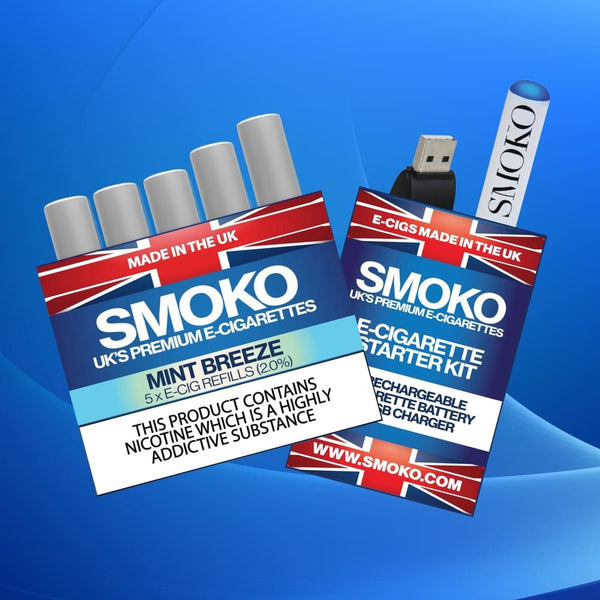
Now you can pick up a FREE* E-Cig or Vape Starter Kit when you buy a box of SMOKO Refills. Stop smoking and make the switch to SMOKO today!
*(one per household)
FAQ: UK Vaping for Smoking Cessation
1. Is vaping really effective for quitting smoking?
Yes. According to multiple UK studies and NHS reports, vaping is one of the most effective methods to help smokers quit. It delivers nicotine without the harmful tar and chemicals found in cigarettes, making it a safer and more successful alternative.
2. Is vaping safer than smoking traditional cigarettes?
Public Health England has stated that vaping is at least 95% less harmful than smoking tobacco. While not risk-free, it significantly reduces exposure to the thousands of toxic substances created by burning tobacco.
3. Can I get vaping products through the NHS?
Currently, some local stop smoking services in the UK provide vape starter kits or vouchers as part of their quit-smoking programs. The NHS also supports vaping as a harm reduction tool for adults who smoke.
4. What type of vape is best for quitting smoking?
Beginners are often advised to start with simple, refillable vape kits or pod systems that mimic the sensation of smoking. These allow you to choose the right nicotine strength to manage cravings effectively.
5. Are there any long-term health risks with vaping?
Research into long-term effects is ongoing, but current evidence shows vaping is substantially less harmful than smoking. Quitting cigarettes entirely remains the most important step for improving your health.
References
(1) E-cigarettes around 95% less harmful than tobacco estimates landmark review
(2) E-cigarettes and harm reduction: An evidence review
(4) BUPA: Watch what happens when you give up smoking
(5) Reuters: Smokers who switch to vaping rapidly boost heart health in trial
ABOUT THE AUTHOR
Written by Dan Overgage
Dan Overgage is a former smoker of 10 years until he became a client of SMOKO E-Cigarettes. Dan started working with SMOKO 6 years ago after successfully quitting using our e-cigarettes and works across our Customer Service and heads up our content creation and research with a strong focus on all things quitting smoking. During his tenure with SMOKO, Dan has written countless blogs and consults with countless clients every day to help them to stay smoke-free.
Last updated 11/11/2025