Table of Contents
- Key Takeaways
- Understanding E-Cigarette Battery Types
- Proper Charging Practices
- Daily Handling and Usage Safety
- Storage - Best Practices For Vape Batteries
- Recognising Warning Signs
- Maintenance and Care Routines
- Emergency Procedures
- Professional Support and Resources
- Building Safe Vaping Habits
- E-Cigarette Battery Safety - Conclusion
- References
Protect yourself and your device with these crucial e-cigarette battery safety practices. Learn proper handling, charging, and storage techniques to ensure safe vaping.
Key Takeaways
-
Use the Right Charger – Always charge your E-Cigarette with the manufacturer’s recommended charger to prevent overheating or short-circuiting.
-
Store Safely – Keep batteries away from extreme temperatures, moisture, and metal objects to avoid damage or accidental discharge.
-
Check for Damage – Regularly inspect your vape batteries for dents, leaks, or tears, and replace them immediately if damaged to stay safe.
It is essential to purchase vape batteries and devices from reputable brands to ensure safety, reliability, and to reduce the risk of battery-related incidents caused by counterfeit or faulty products.
E-cigarette battery safety is paramount for every vaper, whether you’re new to vaping or an experienced user. Proper battery care not only extends the life of your device but also prevents potentially dangerous situations. Understanding how to handle, charge, and maintain your E-Cigarette batteries correctly ensures a safe and enjoyable vaping experience.
Understanding E-Cigarette Battery Types
Lithium Ion Batteries
Most modern e-cigarettes use lithium-ion batteries, which are powerful and efficient but require specific safety measures (1). Lithium-ion batteries are designed to safely manage the discharge of energy, but improper use can lead to rapid discharge and safety risks. The metal interior of lithium-ion batteries must be protected from damage to prevent short circuits or other hazards. These batteries come in various forms, from built-in units in cigalikes to removable cells in advanced devices. Each type has unique safety considerations that users must understand.
Built-In Batteries
Built-in batteries, commonly found in prefilled vape starter kits, are generally safer for beginners as they’re designed with integrated safety features. These built-in batteries typically include overcharge protection to prevent charging beyond safe voltage levels. They are also equipped with various safety protections, such as short circuit and overheat prevention, to enhance user safety. However, they still require proper charging and handling practices to maintain safety and performance.
External Batteries
Removable batteries offer more flexibility but demand greater responsibility from users. It is crucial to use the correct charger for external batteries to avoid damage or safety hazards. Many of the more powerful E cigarette devices rely on external batteries, so proper handling and charging are essential for safety. These cells must be handled with extreme care, stored properly, and replaced when they show signs of wear or damage.
Proper Charging Practices
Charging your E-Cigarette battery correctly is crucial for safety and longevity. Manufacturers recommend charging E-Cigarette batteries according to specific guidelines to ensure safety. Always use the charger provided by the manufacturer or a certified replacement. Generic chargers may not have the proper voltage regulation, potentially leading to overcharging or overheating (2).

You should never leave your device charging unattended for extended periods. While most modern devices have built-in safety features to prevent overcharging, it’s still best practice to monitor the charging process. Unplug your device once it reaches full charge to prevent unnecessary stress on the battery. Monitoring the recharging process helps prevent overcharging and overheating which can damage the battery.
One of the best pieces of advice we can give is to avoid charging your E-Cigarette overnight or while you’re away from home. This simple precaution significantly reduces the risk of overheating or other charging-related issues. Set reminders to check on your device during charging sessions.
Be sure to use only appropriate charging surfaces. It is essential to place your device on a flat surface for safe charging. Never charge your device on soft surfaces like beds, couches, or pillows, as these can trap heat and create fire hazards. Hard, flat surfaces with good ventilation are ideal for safe charging.
Temperature Considerations During Charging
Temperature plays a critical role in battery safety, and it is ideal to charge your e-cigarette in environments between 32°F and 95°F (0°C to 35°C). Extreme temperatures can damage the battery and create safety risks (3). Charging batteries outside the recommended temperature range increases the fire risk.
If your device becomes unusually warm during charging, disconnect it immediately and allow it to cool down. Excessive heat during charging often indicates a problem with either the battery or the charging system.
Daily Handling and Usage Safety
Proper daily handling of your e-cigarette battery prevents accidents and extends device life. Always turn off your vape device when not in use, especially when carrying it in a pocket or bag. Storing batteries or devices loose in a pocket or bag can increase the risk of accidents, such as accidental activation or short circuits.
It is vitally important to keep your device away from other metal objects like keys, coins, or jewellery when storing or transporting. Contact with other metal objects can cause a short circuit in the battery terminals, leading to overheating or even fire. One man found this out the hard way, causing serious burns when his vape short-circuited in his pocket (4).
You should regularly inspect your device for signs of damage, including cracks in the casing, damaged charging ports, or loose connections. Any visible damage warrants immediate attention and potentially device replacement.
Take the time to clean your device regularly, paying special attention to charging ports and battery connections. Use a dry cloth or cotton swab to remove debris and e-liquid residue that could interfere with proper operation.
Storage - Best Practices For Vape Batteries
Proper storage significantly impacts battery safety and longevity (5). Store your e-cigarette battery in a cool, dry place away from direct sunlight and heat sources. Excessive heat can cause batteries to degrade rapidly and potentially become dangerous. Avoid storing batteries in places exposed to extreme temperatures or direct sunlight.
If you won’t be using your device for an extended period, store it with a partial charge (around 40-60%). Completely drained or fully charged batteries can deteriorate faster during long-term storage.
For devices with removable batteries, consider investing in proper battery cases for storage and transport. These cases prevent accidental contact with metal objects and protect the batteries from physical damage.

Keep spare batteries and devices away from children and pets. Even though e-cigarettes are designed for adult use, proper storage prevents accidental access and potential harm. Inspect and clean your batteries regularly to maintain safety and optimal performance.
Following these storage recommendations is considered good practice for battery safety.
Recognising Warning Signs
Learning to identify potential battery problems early prevents dangerous situations. Watch for these warning signs that indicate your battery may need attention or replacement. (6)
Unusual heat generation during normal use suggests battery problems. While slight warming is normal, excessive heat indicates potential failure and safety risks.
Rapid battery drain or inability to hold a charge signals battery degradation. When your device requires frequent charging or dies quickly after charging, it’s time to consider replacement.
Physical changes like swelling, discoloration, or unusual odours are serious warning signs. If you notice any of these, stop using the battery immediately. Severe battery failures can result in explosion or even explosions, so prompt action is essential to prevent accidents.
Inconsistent performance, such as fluctuating power output or unexpected shutdowns, may indicate battery issues. These symptoms are common battery related issues that require attention and may warrant professional evaluation or device replacement.
Maintenance and Care Routines
Establishing regular maintenance routines keeps your E-Cigarette battery in optimal condition and keeps you aware of when you are going to need replacements. Clean your device weekly, focusing on areas where e-liquid might accumulate and cause problems. While E-Cigarette tanks are designed to keep the e-liquid where it is supposed to be - inside the tank - liquids have a habit of getting into every nook and cranny so a regular maintenance appointment means you have the best chance of spotting things like a crack in the tank or a perishing seal.

Check all connections monthly to ensure they're clean and secure. Loose connections can cause poor performance and potential safety issues.
Monitor charging times and battery performance regularly. Keeping track of these metrics helps you identify gradual changes that might indicate developing problems.
Replace batteries according to manufacturer recommendations or when performance significantly degrades. Don't attempt to extend battery life beyond safe limits.
Emergency Procedures
Despite best efforts, battery emergencies can occur. Battery malfunctions can result in fires, and quick action is necessary to prevent causing fires. Knowing how to respond quickly and safely minimises risks and potential damage. (7)
If your device becomes extremely hot, stop using it immediately and place it on a non-flammable surface away from people and combustible materials. Allow it to cool completely before handling.
In case of battery leakage, avoid direct contact with the leaked material and ventilate the area. Dispose of the damaged device according to local hazardous waste guidelines.
If you notice smoke or unusual odours from your device, evacuate the immediate area and contact emergency services if necessary. If a battery incident leads to fire or smoke, contact the fire service for assistance. Never ignore these serious warning signs.
Professional Support and Resources
When in doubt about battery safety, seek professional guidance. Reputable vape shops and manufacturers provide valuable support and advice for safe battery practices. Organisations like Public Health England have produced campaign materials to raise awareness about battery safety in partnership with other groups.
Keep manufacturer contact information readily available for technical support and safety questions. You can also contact a designated lead at your local vape shop or manufacturer for battery safety resources and inquiries. Most established companies offer comprehensive customer support for safety-related concerns.
Seek guidance from professional resources on the proper disposal of batteries and ensuring compatibility with other devices to prevent environmental harm and safety risks.
Stay informed about product recalls and safety updates from manufacturers. Registering your device often ensures you receive important safety notifications.
Consider professional device inspection if you’re unsure about your battery’s condition. Many vape specialists offer evaluation services to assess device safety and performance.
Building Safe Vaping Habits
Developing consistent safety habits makes battery care second nature. Safe handling of your vape battery is a key part of building safe vaping habits. Create a routine that includes regular device inspection, proper charging practices, and appropriate storage. Vape devices require regular inspection and maintenance to ensure safety.
Educate yourself about your specific device’s features and limitations. Understanding your battery’s specifications helps you use it safely and effectively. E-cigarettes contain nicotine, which is delivered through the vapor and should be handled with care.
Share safety knowledge with other vapers in your community. Promoting battery safety awareness benefits everyone and helps prevent accidents. The safety considerations for e-cigarette batteries are similar to those found in cars, where proper battery management is crucial for both safety and performance.
Stay updated on evolving safety standards and best practices. The vaping industry continues to develop improved safety features and guidelines. If the whole device shows signs of malfunction, it may be safer to replace the entire unit rather than just the battery.
E-Cigarette Battery Safety - Conclusion
Remember that battery safety is an ongoing responsibility, not a one-time consideration. Regular attention to these practices ensures your vaping experience remains both enjoyable and safe. Avoid using faulty products, as they pose significant safety risks. By following these essential tips and maintaining awareness of potential risks, you can confidently enjoy your E-Cigarette while prioritising safety above all else.
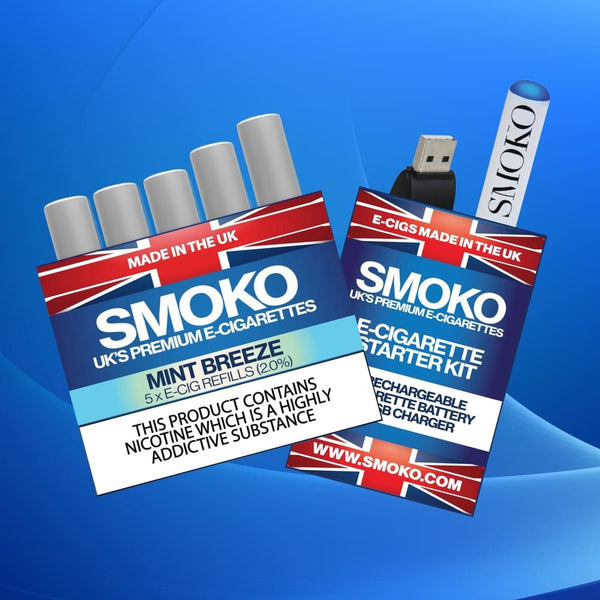
Investing in quality devices from reputable manufacturers, such as those available in SMOKO starter kits, provides additional safety assurance through built-in protection features and reliable construction. Combined with proper user practices, quality equipment forms the foundation of safe vaping.
FAQ: E-Cigarette Battery Safety
1. Why is e-cigarette battery safety important?
Battery safety prevents overheating, leaks, or even fires. Using and charging your vape properly ensures your device performs safely and reliably every time.
2. Can I charge my vape with any USB cable or charger?
No. Always use the charger provided by the manufacturer or one recommended for your device. Generic or high-powered chargers can overheat or damage the battery.
3. How should I store my vape batteries?
Keep batteries in a cool, dry place away from direct sunlight and metal objects like keys or coins. Use a protective case when carrying spare batteries.
4. How do I know if my battery is damaged?
If you notice dents, leaking fluid, corrosion, or a torn battery wrap, stop using it immediately and replace it with a new one.
5. Can I leave my vape charging overnight?
It’s best not to. Overcharging can shorten battery life and increase the risk of overheating. Unplug your device once it’s fully charged.
References
(1) Lithium-ion batteries: a growing fire risk
(2) Bad Chargers For Devices: How To Prevent Damage To Office Devices
(3) How Do Weather Conditions Affect Lithium Battery Performance
(4) Man, 41, scarred with second-degree burns after putting vape battery in pocket
(5) How to Ensure Safe Lithium-Ion Battery Storage
(6) How to Tell If a Lithium-ion Battery is Bad?
(7) 8 emergency procedures for battery system failures
ABOUT THE AUTHOR
Written by Dan Overgage
Dan Overgage is a former smoker of 10 years until he became a client of SMOKO E-Cigarettes. Dan started working with SMOKO 6 years ago after successfully quitting using our e-cigarettes and works across our Customer Service and heads up our content creation and research with a strong focus on all things quitting smoking. During his tenure with SMOKO, Dan has written countless blogs and consults with countless clients every day to help them to stay smoke-free.
Last updated 24/10/2025