Table of Contents
- Key Takeaways
- How Long Cigarette Smell Lingers on Different Surfaces
- Factors That Affect Cigarette Smell Duration
- Effective Methods to Remove Cigarette Smell
- Health Implications of Lingering Cigarette Smoke
- Prevention and Long-term Solutions
- Professional vs. DIY Methods to Get Rid of Odours
- Conclusion - How Long Does Cigarette Smoke Stay Around
- Frequently Asked Questions
- References
Key Takeaways
-
Cigarette smell can linger for hours, days, or even weeks, depending on ventilation, surfaces, and how often smoking occurs indoors.
-
Smoke odour clings to fabrics, carpets, walls, and furniture, making it harder to remove without thorough cleaning and fresh airflow.
-
Improving ventilation, deep cleaning, and switching to smoke-free alternatives can significantly reduce or prevent lingering cigarette smells in your home.
The lingering scent of cigarettes is one of the most persistent and unpleasant odours that can infiltrate homes, cars, clothing, and even our bodies. Whether you're a former smoker trying to eliminate traces of your past habit, dealing with second-hand smoke exposure, or simply trying to remove the smell from a space previously occupied by smokers, understanding how long cigarette odours persist and how to effectively eliminate them is crucial for creating a fresh, healthy environment.
Cigarette smoke contains over 7,000 chemicals, many of which are volatile compounds that easily adhere to surfaces and fabrics. These particles can remain embedded in materials for weeks, months, or even years if not properly addressed. The good news is that with the right approach and techniques, you can significantly reduce or completely eliminate cigarette odours from various surfaces and environments.
How Long Cigarette Smell Lingers on Different Surfaces

The duration that cigarette smell persists varies dramatically depending on the surface, environment, and level of exposure. Understanding these timeframes helps set realistic expectations for odour removal efforts.
Clothing and Fabrics: Light exposure to cigarette smoke may result in odours that dissipate within 24-48 hours with proper ventilation. However, clothing worn by regular smokers or exposed to heavy smoke can retain odours for several weeks without treatment. Synthetic fabrics like nylon release odours faster than natural fibres like cotton or wool, which are highly absorbent and tend to hold odours longer. (1)
Hair and Skin: Cigarette smell on hair can last anywhere from a few hours to several days, depending on hair texture and length (2). Fine, porous hair holds odours longer than coarse hair. Skin typically releases cigarette odours within 2-4 hours through natural processes, though a heavy smoker may notice lingering scents for up to 24 hours. Cigarette smoke leaves a carcinogenic residue on everything it touches, including hair and skin. Additionally, cigarette breath can linger for several hours after smoking, depending on oral hygiene and the amount smoked.
Indoor Spaces: Rooms with minimal smoking exposure might clear within a few days with proper ventilation. However, spaces where smoking occurred regularly can retain odours for months or even years. Porous surfaces like drywall, carpet, and upholstered furniture can harbour smoke particles indefinitely without intervention.
Vehicles: Cars present unique challenges due to their enclosed nature and abundance of absorbent materials. Light smoke exposure might clear within a week with windows open, but vehicles owned by regular smokers often require professional treatment and may retain subtle odours for months. The chemicals in cigarette smoke can also damage the interior of your car, such as the upholstery, dashboard, and headliner.
Factors That Affect Cigarette Smell Duration
Several environmental and situational factors influence how long cigarette odours persist in different settings. Understanding these variables helps explain why some spaces clear quickly while others seem permanently affected.
Ventilation and Air Circulation: Proper ventilation is perhaps the most critical factor in odour elimination. Spaces with good airflow and access to fresh air clear smoke particles faster than stagnant environments. However, even with open windows, cigarette smoke odour can linger in the air for 2 to 3 hours after smoking. Opening windows, using fans, and maintaining HVAC systems can help, but stale smoke odour may still persist. Air conditioners can also assist in reducing lingering smoke odours by improving indoor air quality and circulating air more effectively.
Humidity Levels: High humidity can actually trap smoke particles and extend odour duration. Conversely, moderate humidity levels (40-50%) help break down odour compounds more effectively. Extremely dry conditions may cause particles to become more airborne and potentially re-settle elsewhere.
Temperature: Warmer temperatures accelerate the breakdown of odour compounds but can also increase their volatility, temporarily making smells more noticeable. Cold temperatures tend to lock odours into materials, making them harder to eliminate initially but potentially preserving them longer.
Surface Porosity: Non-porous surfaces like glass, metal, and sealed wood release odours much faster than porous materials. Carpet, upholstery, drywall, and unsealed wood can absorb and hold smoke particles for extended periods.
Frequency and Intensity of Exposure: Single exposure incidents clear much faster than accumulated smoke from regular smoking. Years of smoking in a space creates deep penetration of odour compounds that require intensive treatment to remove.
Effective Methods to Remove Cigarette Smell
Successfully eliminating cigarette odours requires a multi-pronged approach targeting different aspects of smoke contamination. The most effective strategies combine immediate actions with longer-term solutions.
Deep Cleaning Approaches: Deep cleaning all surfaces is necessary to eliminate cigarette odours from a home. Begin with thorough cleaning of all surfaces using appropriate cleaners. Mix equal parts white vinegar and water for hard surfaces, which neutralises odour compounds. For fabrics, enzyme-based cleaners break down smoke particles at the molecular level. Using hot water or warm water with cleaning agents like vinegar or baking soda is an effective method for removing smoke odour from hard and soft surfaces. When washing clothes, add baking soda to regular detergent to help remove cigarette odour, and consider sprinkling baking soda on carpets or upholstery before vacuuming. Using a mixture of vinegar and water can help neutralise cigarette odours on clothing, and dryer sheets can help remove cigarette smell from clothing in a pinch. Steam cleaning carpets and soft furnishings can help remove cigarette odours, and professional steam cleaning is often necessary for deep-seated odours in carpets and couches. Don’t overlook less obvious areas like light fixtures, ceiling fans, and air vents where smoke residue accumulates.
Air Purification Solutions: High-quality air purifiers with activated carbon filters specifically target smoke particles and odours. HEPA filters capture fine particulates, while carbon filters absorb gaseous odour compounds. Air fresheners and deodorising sprays can provide temporary relief but are not a substitute for deep cleaning. Run purifiers continuously for several days to weeks, depending on contamination levels.
Natural Odour Absorbers: Activated charcoal, baking soda, and coffee grounds naturally absorb odours from the air and surfaces. Activated charcoal can absorb cigarette odours when placed in a room or vehicle, and can be used in enclosed spaces such as cars or rooms. Baking soda can absorb cigarette odours effectively when placed in a room or used in laundry. Place bowls of these materials throughout affected areas and replace regularly. These methods work slowly but effectively for mild to moderate odour issues.
Ozone Treatment: Ozone generators are used in professional ozone treatment, which is an effective method that breaks down smoke molecules at a chemical level to neutralise cigarette odours completely. Professional cigarette odour removal services use specialised equipment and cleaning agents to remove smoke odour from various surfaces, and professional services for cigarette odour removal can guarantee 100% smoke odour neutralisation. Deep cleaning all surfaces, including walls, ceilings, and floors, is essential for effectively removing cigarette odours from a property. In extreme cases, repainting walls and ceilings may be necessary to fully seal in cigarette odours, and extreme cases of cigarette smoke contamination may necessitate repainting walls with sealant primers and replacing carpets or furniture. Deep cleaning, including painting and replacing carpets, is often required to address long-term contamination from cigarette smoke. Smoke residue can seep through paint into drywall and subflooring, often requiring a full gutting of the space to eliminate.
According to the Environmental Protection Agency, eliminating sources of tobacco smoke and improving ventilation are the most effective strategies for reducing indoor air contamination. (3)
Health Implications of Lingering Cigarette Smoke

The persistence of cigarette odours isn’t merely an aesthetic concern—lingering smoke particles can pose ongoing health risks to occupants, particularly children, elderly individuals, and those with respiratory conditions. Cigarette smoke contains over 7,000 chemicals, many of which are toxic and can cause significant damage to the lungs.
Third-hand Smoke Exposure: Even after visible smoke clears, toxic residue remains on surfaces and continues off-gassing harmful chemicals. This third-hand smoke is a complex mix of toxic chemicals that can embed into surfaces and fabrics, posing health risks even after active smoking ceases. It can be reactivated by heat, humidity, or air currents, creating ongoing exposure risks months after the last cigarette was smoked in a space.
Respiratory Impact: Residual smoke particles, also known as environmental tobacco smoke when referring to secondhand exposure, can trigger asthma, allergies, and other respiratory issues. Secondhand smoke exposure is dangerous, especially for vulnerable groups such as children, babies, and pregnant women. Children are particularly vulnerable as they spend more time close to surfaces and frequently touch contaminated areas before touching their faces or mouths.
Long-term Health Concerns: Research from the American Lung Association indicates that prolonged exposure to cigarette smoke residue may contribute to increased cancer risk and cardiovascular problems, even in non-smoking environments (4). Cigarette smoke is a leading cause of lung cancer and other health problems, making it critical to address lingering odours and residue.
Pregnant women and infants face particular risks from smoke residue exposure, making thorough odour elimination essential for protecting vulnerable family members.
Prevention and Long-term Solutions
The most effective approach to managing cigarette odours is prevention through smoking cessation and implementing smoke-free environments. For those looking to quit smoking, modern alternatives like E-Cigarettes and nicotine gum can significantly reduce indoor air contamination while supporting cessation efforts.
Creating Smoke-Free Environments: Establishing and maintaining smoke-free spaces prevents the accumulation of odour-causing compounds and helps stop smelling of cigarette smoke in your home, clothes, and surroundings. This includes implementing outdoor-only smoking policies and ensuring proper distance from building entrances and ventilation systems.
Alternative Solutions: For current smokers seeking to reduce indoor contamination, switching to alternatives like E-Cigarettes can dramatically decrease persistent odours. Unlike traditional cigarettes, quality e-cigarettes produce vapour that dissipates quickly without leaving lasting residue on surfaces or fabrics. Quitting smoking and switching to vaping can also lead to improvements in lung function and overall health, with many people noticing their sense of smell returning as a positive sign of recovery. Vaping devices deliver nicotine into the body, similar to nicotine replacement therapy, while also replacing the physical habit of smoking. Additionally, vaping does not produce sidestream smoke, which is a significant source of secondhand smoke exposure from traditional cigarettes.
Regular Maintenance: Even in smoke-free environments, regular cleaning and air circulation help maintain freshness and prevent any residual odours from becoming embedded. This includes washing fabrics regularly, cleaning air ducts, and replacing HVAC filters frequently.
The Centers for Disease Control and Prevention emphasises that completely eliminating tobacco smoke from indoor environments is the only way to fully protect occupants from smoke-related health risks. (5)
Professional vs. DIY Methods to Get Rid of Odours
Deciding between professional remediation and do-it-yourself approaches depends on the severity of contamination, available time, and budget considerations.
When to Consider Professional Help: Severe contamination from years of indoor smoking often requires professional intervention. Professional services are specifically equipped to remove cigarette odour and thoroughly eliminate smoke odour from your home, car, or other spaces. Signs include persistent odours after multiple cleaning attempts, visible tar residue on walls and ceilings, and odours that worsen in humid conditions.
DIY Effectiveness: Light to moderate smoke exposure can often be successfully addressed through consistent DIY efforts. Using an effective method—such as cleaning with baking soda, vinegar, or specialised odour eliminators, combined with good ventilation and multiple odour absorption techniques—can yield significant results in reducing cigarette smell.
Cost-Benefit Analysis: While professional services involve higher upfront costs, they may ultimately prove more economical for severe cases that would otherwise require replacing carpets, repainting, and extensive renovation. Professional services typically guarantee results and use industrial-grade equipment and chemicals not available to consumers, making them worthwhile for significant contamination issues.

Conclusion - How Long Does Cigarette Smoke Stay Around
The timeline for cigarette smell elimination varies dramatically based on exposure levels, surface types, and remediation efforts employed. While light exposure may clear within days, severe contamination can persist for months or years without proper intervention. Success requires understanding the factors that influence odour persistence and implementing appropriate removal strategies.
The most effective approach combines immediate cleaning actions with long-term prevention strategies. For current smokers, transitioning to alternatives that produce less persistent odours can significantly improve indoor air quality while supporting overall health goals. Remember that eliminating cigarette odours isn't just about comfort—it's about creating healthier environments for everyone who uses these spaces.
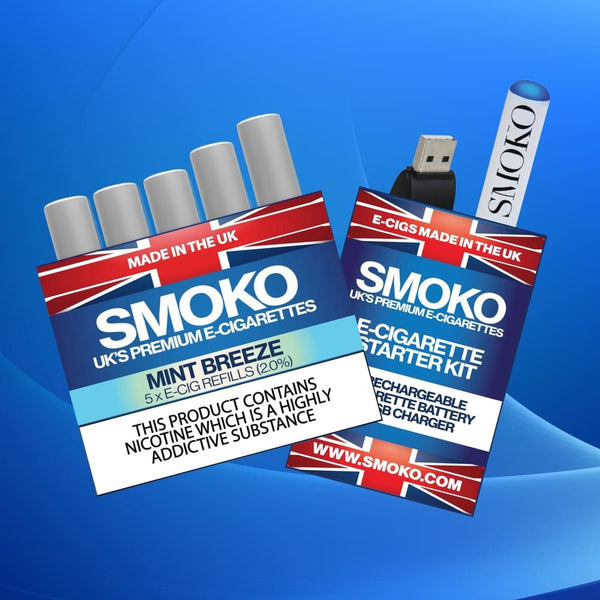
This is where E-Cigarettes come in! E-Cigarettes are considered 95% less harmful than smoking, according to Public Health England, and don't produce tar that sticks to surfaces in the home. If you are a smoker looking to quit, then check out the SMOKO E-Cigarette and Vape Starter Kit deals and make the switch for a healthier home environment today!
Frequently Asked Questions
How long does cigarette smell last in a room?
Cigarette odours can create a lingering smell that lasts from a few hours to several days, and in poorly ventilated spaces or rooms with soft surfaces like carpets, curtains, and upholstery, the odour can persist for weeks without proper cleaning.
Does opening windows get rid of cigarette smell?
Opening windows helps reduce smoke smell by improving airflow, but it won’t completely eliminate odours that have settled into carpets, curtains, furniture, and walls. Non smokers are particularly sensitive to lingering odours, so thorough cleaning is important.
Why does cigarette smell stick to everything?
The strong smell of cigarette smoke comes from sticky residue (often called third-hand smoke) that clings to surfaces like fabric, paint, and upholstery, making the smell of cigarette harder to remove.
How can I remove cigarette smell from my home quickly?
Start by removing cigarette butts, ashes, and debris from ashtrays and surfaces. Ventilating the space, washing fabrics, wiping down hard surfaces, using baking soda or vinegar, and running air purifiers can all help reduce odours more quickly.
Is it possible to permanently get rid of cigarette smell indoors?
Yes, but it often requires deep cleaning, repainting walls, or replacing heavily affected materials to fully remove cigarette odours. Non smokers benefit most from a smoke-free environment, so preventing indoor smoking or switching to smoke-free alternatives can help stop the smell from returning.
How long does cigarette breath last after smoking?
Cigarette breath can linger for a few hours after smoking, depending on how much was smoked and oral hygiene practices. Brushing teeth, using mouthwash, and staying hydrated can help reduce the duration of the odour.
References
(1) Why Do Some Clothes Get Smellier Than Others?
(2) Everything You Need to Know About Removing Unwanted Odors from Hair
(3) Secondhand Smoke and Electronic-Cigarette Aerosols
(4) Health Effects of Secondhand Smoke
(5) CDC: About Secondhand Smoke
ABOUT THE AUTHOR
Written by Dan Overgage
Dan Overgage is a former smoker of 10 years until he became a client of SMOKO E-Cigarettes. Dan started working with SMOKO 6 years ago after successfully quitting using our e-cigarettes and works across our Customer Service and heads up our content creation and research with a strong focus on all things quitting smoking. During his tenure with SMOKO, Dan has written countless blogs and consults with countless clients every day to help them to stay smoke-free.
Last updated 19/02/2026