Table of Contents
- Key Takeaways
- Understanding How Many mg of Nicotine Are in Traditional Cigarettes
- Factors Affecting the Amount of Nicotine Absorbed from Cigarettes
- Health Effects of Nicotine Consumption
- Comparing Cigarettes with E-Cigarettes and Other Nicotine Products
- Regulatory Standards and Nicotine Measurement
- Making Informed Decisions About Nicotine Products
- Conclusion
- Frequently Asked Questions
- How many mg of nicotine are in a cigarette?
- How much nicotine does a smoker actually absorb?
- Is nicotine the main cause of smoking-related diseases?
- How does the nicotine in cigarettes compare with vaping?
- Can reducing nicotine help you stop smoking?
- References
Key Takeaways
- A traditional cigarette contains around 8mg–20mg of nicotine, but most smokers absorb only about 1mg–3mg per cigarette, depending on how they smoke.
- While nicotine is the addictive substance in cigarettes, it is the toxic chemicals released by burning tobacco(1) that cause most smoking-related diseases, not nicotine itself.
- Understanding nicotine levels can help adult smokers choose the right nicotine strength when switching to regulated vaping products or nicotine replacement therapies.
A cigarette typically contains about 8mg to 20mg of nicotine in the tobacco, although most smokers absorb only around 1mg to 3mg per cigarette. For adult smokers in the UK who are thinking about quitting or switching to vaping, that difference matters when choosing the right nicotine strength(2) in an e-cigarette or nicotine replacement product. This guide looks at how nicotine content in cigarettes compares with what your body actually absorbs, what affects that absorption, how nicotine relates to addiction and health, how cigarettes compare with e-cigarettes and other nicotine alternatives, and the UK standards that shape those products. Understanding the numbers makes it easier to make informed choices and to separate nicotine itself from the far greater harm caused by toxic tobacco smoke.

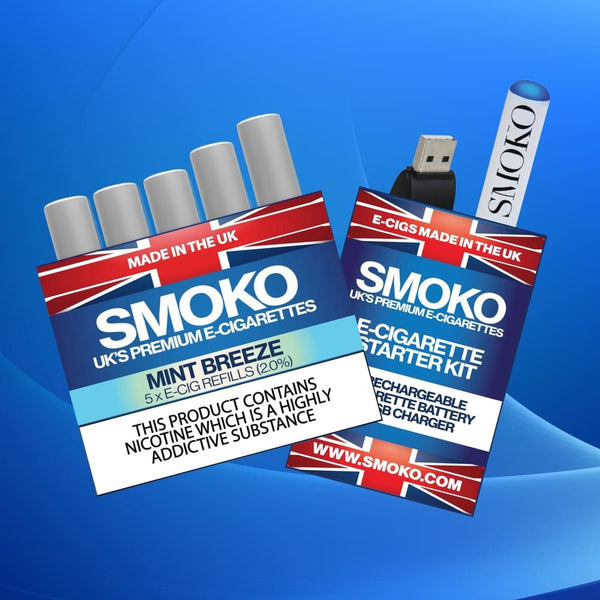
For adult smokers considering switching, choosing the right vaping product is just as important as understanding nicotine levels. SMOKO offers a range of easy-to-use e-cigarettes and vape starter kits with UK-made e-liquids in a variety of flavours and nicotine strengths, making it easier to find an alternative that suits your needs. Whether you're looking to reduce your cigarette consumption or quit smoking completely, choosing a regulated vaping product can help make the transition more straightforward.
Understanding How Many mg of Nicotine Are in Traditional Cigarettes
Traditional cigarettes typically contain between 8mg and 20mg of nicotine in the tobacco, depending on the brand and blend. A single cigarette typically contains about 0.7 grams of dried tobacco, and the nicotine in tobacco leaves can range from 0.6% to 2.9%, which helps explain differences between blends and brands. However, smokers do not absorb all of this total nicotine. Research shows that a person typically absorbs around 1mg to 3mg of nicotine per cigarette, although the exact amount varies depending on smoking behaviour, cigarette design and individual differences
Although cigarettes may be marketed differently, there is no such thing as a safer cigarette. So-called "light" and "low tar" cigarettes do not significantly reduce health risks because smokers often compensate by inhaling more deeply or taking more frequent puffs.
It's important to note that these measurements represent the nicotine content in the tobacco itself, not the amount delivered to the smoker. The actual nicotine delivery depends on numerous factors including puff intensity, inhalation depth, and the frequency of smoking.
Factors Affecting the Amount of Nicotine Absorbed from Cigarettes
Several factors influence how much nicotine a smoker actually absorbs from a cigarette. Although traditional cigarettes typically contain between 8mg and 20mg of nicotine, only a portion of that nicotine reaches the bloodstream. The exact amount absorbed varies depending on smoking behaviour, cigarette design and individual physiological differences. Understanding these factors helps explain why two people smoking the same cigarette may absorb different amounts of nicotine.
Smoking Behaviour Patterns: The way a person smokes dramatically affects nicotine absorption. Deeper inhalation, longer puffs, and smoking the cigarette down to the filter all increase nicotine intake, and once absorbed, nicotine reaches the brain within seconds. Some smokers unconsciously adjust their smoking behaviour when switching to lower-nicotine cigarettes, taking more frequent or deeper puffs to maintain their desired nicotine levels.

Cigarette Design and Construction: Modern cigarette manufacturing includes various design elements that affect nicotine delivery. Filter ventilation holes, tobacco blend composition, and paper porosity all play roles in determining how much nicotine reaches the smoker. Additionally, the way tobacco is processed and the additives used can influence nicotine absorption rates.
Individual Physiological Factors: Personal characteristics such as lung capacity, metabolism rate, and genetic factors affecting nicotine processing can significantly impact how much nicotine is absorbed and how long it remains active in the system. These individual differences help explain why some people become heavily dependent on nicotine while others may smoke occasionally without developing strong addiction.
Health Effects of Nicotine Consumption
Although nicotine is the addictive substance in cigarettes, it is not the primary cause of smoking-related cancers, heart disease or lung disease. Those illnesses are mainly caused by the thousands of harmful chemicals released when tobacco burns in cigarettes and other tobacco products, including tar, carbon monoxide and numerous cancer-causing substances. This distinction explains why nicotine replacement therapies and regulated vaping products are considered lower-risk alternatives for adult smokers.
Nicotine itself, while addictive, is not considered the primary cause of smoking-related diseases. Smoking cigarettes exposes tobacco users to harmful chemicals beyond nicotine, and these are the main drivers of disease linked to tobacco products. This distinction is crucial when considering smoking cessation methods and alternative nicotine delivery systems.
Addiction Mechanisms: Nicotine activates nicotinic acetylcholine receptors in the brain, which trigger the release of dopamine. This reward response reinforces smoking behaviour and contributes to nicotine dependence, making quitting difficult for many smokers.
Withdrawal Symptoms: When regular smokers attempt to quit, they often experience withdrawal symptoms including irritability, anxiety, difficulty concentrating, increased appetite, and cravings. Understanding these symptoms helps explain why many smokers find it difficult to quit cold turkey and may benefit from nicotine replacement therapies or gradual reduction methods.
Comparing Cigarettes with E-Cigarettes and Other Nicotine Products
As awareness of smoking-related health risks has increased, many smokers have turned to alternative nicotine products. E-cigarettes and vaping devices have gained popularity as potentially less harmful alternatives to traditional cigarettes, offering controlled nicotine delivery without the combustion-related toxins found in cigarette smoke.
In the UK, nicotine-containing e-liquids are legally limited to a maximum strength of 20mg/ml(3) under the Tobacco and Related Products Regulations. In vaping, strength is usually measured in mg ml, and nicotine salts are commonly used in e-liquids. Many adult smokers successfully switch using strengths between 10mg and 20mg, depending on how heavily they previously smoked. Nicotine-free e-liquids are also available for people who wish to reduce or eliminate nicotine altogether.
Nicotine pouches are tobacco-free alternatives to traditional snus and differ from chewing tobacco because they contain nicotine but no tobacco leaf. They deliver nicotine through the gums and oral mucosa rather than through smoke. Nicotine strengths vary between brands, with most products available in strengths ranging from around 2mg to 20mg per pouch, although higher-strength options are also available. Because nicotine absorption varies between products and individuals, it is not possible to directly compare the nicotine delivered by a pouch with that of a cigarette.

According to NHS guidance, e-cigarettes are less harmful than traditional cigarettes and is one of the most effective tools available for helping adult smokers quit cigarettes. The ability to control nicotine levels while eliminating the harmful combustion products makes e-cigarettes an attractive option for smokers looking to reduce health risks while managing nicotine dependence.
Nicotine Replacement Therapies: Traditional nicotine replacement products such as patches, gums, and lozenges provide controlled nicotine delivery to help manage withdrawal symptoms during smoking cessation. These products typically deliver lower nicotine levels than cigarettes, supporting gradual reduction approaches to quitting smoking.
Regulatory Standards and Nicotine Measurement
Government regulations regarding nicotine content disclosure vary by country, but many jurisdictions require cigarette manufacturers to report nicotine yields using standardized testing methods. These measurements are typically conducted using smoking machines that simulate average smoking patterns, though actual human consumption often differs from these standardized results.
In the UK, nicotine-containing vaping products are regulated under the Tobacco and Related Products Regulations (TRPR), while cigarettes are regulated through tobacco legislation. Manufacturers must comply with strict rules covering nicotine strength, tank size, ingredient reporting and product notifications.
International Standards: Different countries use varying methods for measuring and reporting nicotine content, making direct comparisons challenging. The ISO (International Organization for Standardization) has established standardized testing protocols, but real-world nicotine delivery can vary significantly from these laboratory measurements due to individual smoking behaviours.
Future Regulatory Considerations: Ongoing research into nicotine addiction(4) and harm reduction continues to inform regulatory approaches. Some jurisdictions are considering policies that would gradually reduce allowable nicotine levels in cigarettes, potentially making them less addictive while encouraging smokers to switch to potentially less harmful alternatives.
Making Informed Decisions About Nicotine Products
Understanding nicotine content helps consumers make informed decisions about tobacco and nicotine products. For current smokers considering alternatives, comparing the nicotine delivery of different products can guide the selection of appropriate substitutes that satisfy nicotine cravings while potentially reducing health risks. Nicotine levels in products such as pouches can vary greatly, and in the UK they can range from 2 mg to 150 mg, so checking product strength carefully matters.
When transitioning from traditional cigarettes to alternative nicotine products, it's important to consider not just nicotine content but also delivery methods, absorption rates, and individual satisfaction levels, as some options may provide less nicotine than cigarettes while still satisfying cravings depending on absorption and use pattern. Many successful smoking cessation programs incorporate nicotine replacement as part of a comprehensive approach that includes behavioural support and gradual reduction strategies.
Healthcare professionals increasingly recognise nicotine dependence as a medical condition that benefits from evidence-based treatment. NHS Stop Smoking Services may recommend behavioural support alongside nicotine replacement therapy or regulated vaping products, helping smokers manage cravings while reducing exposure to harmful tobacco smoke.
Conclusion
Traditional cigarettes usually contain between 8mg and 20mg of nicotine, although smokers typically absorb only 1mg to 3mg from each cigarette. While nicotine causes dependence, it is the toxic chemicals produced by burning tobacco that are responsible for most smoking-related diseases. For adult smokers looking to quit, understanding nicotine content can help when choosing an appropriate nicotine strength in a regulated vaping product or nicotine replacement therapy. According to the NHS, vaping is less harmful than smoking(5) and can be an effective way to stop smoking, although it is not risk-free and should only be used by adult smokers. As research continues and regulations evolve, smokers have more evidence-based options than ever before to reduce the harms associated with combustible tobacco.
Frequently Asked Questions
How many mg of nicotine are in a cigarette?
A traditional cigarette typically contains between 8mg and 20mg of nicotine in the tobacco. However, most smokers absorb only around 1mg to 3mg of nicotine per cigarette because not all of the nicotine is inhaled or reaches the bloodstream.
How much nicotine does a smoker actually absorb?
Although cigarettes contain much more nicotine, the average smoker absorbs only about 1mg to 3mg per cigarette. The exact amount depends on factors such as puff size, inhalation depth, and individual smoking habits.
Is nicotine the main cause of smoking-related diseases?
No. While nicotine is the substance that causes addiction, most smoking-related diseases are caused by the toxic chemicals produced when tobacco burns, including tar and carbon monoxide.
How does the nicotine in cigarettes compare with vaping?
In the UK, nicotine e-liquids are legally limited to a maximum strength of 20mg/ml. Unlike cigarettes, vaping does not burn tobacco, allowing adult smokers to choose a nicotine strength that suits their needs while avoiding many of the harmful chemicals found in cigarette smoke.
Can reducing nicotine help you stop smoking?
Yes. Many adult smokers gradually reduce their nicotine intake over time using regulated vaping products or nicotine replacement therapies(6). Choosing the right nicotine strength can help manage cravings while supporting a successful transition away from cigarettes.
References
(1) Nicotine Vaping in England: Evidence on Smoking, Nicotine and Harm Reduction
(2) Vaping: what you need to know
(3) UK Vape Regulations: Nicotine Strength and Product Safety
(4) NHS Stop Smoking Support and Nicotine Addiction Advice
(5) Vaping to Quit Smoking: NHS Advice for Adult Smokers
(6) NICE Guidance on Nicotine Vaping and Smoking Cessation
ABOUT THE AUTHOR
Written by Mike Cameron
Mike Cameron is a former smoker of 15 years (2 packs a day) until he successfully quit using a cigalike. Mike is the Co-Founder and CEO of SMOKO E-Cigarettes and over the last 13+ years, SMOKO has prevented 850M+ cigarettes from being smoked, helped their customers save £510M+ of their hard-earned money from going up in smoke and helped 10,000’s of adult smokers in 25+ countries to live smoke-free.
Last updated 30/07/2026