Table of Contents
- Key Takeaways
- E-Cigarettes and Vape Pens For Quitting Smoking
- Battery Safety: The Foundation of Safe Vaping
- Proper Maintenance and Care for E-Cigarettes
- E-Liquid Safety and Storage
- Understanding Your Device's Limits
- Environmental Considerations and Disposal
- Recognising and Avoiding Common Hazards
- Building Safe Vaping Habits
- Emergency Procedures and First Aid
- Essential Vaping Safety Tips: A Complete Guide for UK Vapers - Conclusion
- FAQ: Essential Vaping Safety Tips
- 1. Are vape devices safe to use?
- 2. How often should I replace my vape coils or pods?
- 3. What nicotine strength should I choose?
- 4. Can vape batteries explode?
- 5. Is it safe to mix my own e-liquids?
- 6. Can vaping help me quit smoking?
- References
Learn crucial safety practices for vaping, from proper device maintenance to battery care and e-liquid handling. Essential knowledge for both new and experienced vapers in the UK.
Key Takeaways
-
Choose reputable, UK-regulated vape products to ensure proper safety standards, quality ingredients, and accurate nicotine strengths.
-
Store and handle your device correctly—keep batteries clean, avoid overcharging, and replace damaged parts to prevent malfunctions.
-
Use e-liquids responsibly by selecting the right nicotine strength, avoiding counterfeit brands, and following proper storage and usage guidelines.
Vaping has become increasingly popular as a safer alternative to traditional cigarettes, and many people turn to vaping products for this reason, but like any electronic device, proper safety practices are essential. Whether you’re new to vaping or an experienced user, understanding and implementing safety measures ensures a better, safer experience while protecting your investment in vaping equipment.
E-Cigarettes and Vape Pens For Quitting Smoking
E-Cigarettes and vapes were invented to provide a less harmful alternative to cigarette smoking. Compared to smoking cigarettes and other tobacco products, vaping is generally considered to carry fewer health risks, as traditional smoking is linked to serious diseases and higher mortality. (1)
Since their invention, they have become a popular and effective solution for smoking cessation. While vaping is a harm reduction tool, it is important to note that nicotine is highly addictive, and using e-cigarettes can still lead to nicotine addiction. Breaking the habit of smoking can be challenging, and vaping is just one tool among others, such as nicotine patches and nicotine gum, to support quitting.
Smoking is a major risk factor for cancer and heart disease, and quitting cigarettes reduces these risks significantly. By providing nicotine to the body in a similar fashion to smoking, but with 95% of the harm removed - according to Public Health England (2) - E-Cigs and vapes now provide a solid stepping-stone in the quit smoking process. A recent study compared the effectiveness of E-Cigarettes to other nicotine replacement therapies, finding 'high-certainty' evidence that E-Cigarettes are more effective for quitting smoking!
Battery Safety: The Foundation of Safe Vaping
Battery safety represents the most critical aspect of vaping safety. Modern vaping devices rely on lithium-ion batteries, which require careful handling and maintenance to prevent accidents.
Always use the charger provided with your device or a manufacturer-approved replacement. Generic chargers may not provide the correct voltage or current, potentially damaging your battery or creating safety hazards. Using the correct charger is essential to reduce the fire risk and prevent fire or other safety risks associated with improper charging. When charging, place your device on a hard, flat surface away from flammable materials, and never leave it unattended overnight.
Inspect your batteries regularly for signs of damage, including dents, tears in the wrapper, or corrosion around the terminals. Damaged batteries should be replaced immediately and disposed of properly at designated recycling centres. Never carry loose batteries in pockets or bags where they might contact metal objects like keys or coins, as this can cause dangerous short circuits.
Temperature extremes can significantly impact battery performance and safety (3). Avoid leaving your vaping device in hot cars, direct sunlight, or freezing conditions. Store batteries at room temperature in a dry environment, and if you notice your device becoming unusually warm during use, stop immediately and allow it to cool down.
Proper Maintenance and Care for E-Cigarettes
Regular maintenance extends your device’s lifespan and ensures optimal performance. Clean your device weekly using a soft, dry cloth to remove dust and residue. For deeper cleaning, use a cotton swab slightly dampened with isopropyl alcohol to clean connection points and threading. Regular cleaning also helps prevent the buildup of chemicals and other chemicals that may be present in e-liquids.
Check all connections regularly to ensure they’re secure but not overtightened. Loose connections can cause poor performance, while overtightening can damage threads or create electrical issues. If you notice any wobbling or poor connections, inspect the threading for damage or debris.
Replace coils and refills according to manufacturer recommendations. Using worn-out components not only affects flavour and vapor production but can also strain your device’s battery and electronics. E-cigarettes produce an aerosol by heating a mixture of nicotine, flavourings, and propylene glycol, so proper maintenance ensures a safe chemical output. Signs that components need replacement include reduced vapor production, burnt taste, or gurgling sounds.
Keep your device’s air vents clear of debris and e-liquid. Blocked airflow can cause overheating and affect performance. If e-liquid enters air vents, clean immediately with a cotton swab to prevent internal damage.
E-Liquid Safety and Storage
Proper e-liquid handling protects both your health and your equipment. Always purchase e-liquids from reputable manufacturers who comply with UK regulations and safety standards. Quality e-liquids undergo rigorous testing and are formulated to avoid harmful chemicals, toxic additives, and dangerous substances such as vitamin e acetate, which has been linked to serious lung injuries. People who are pregnant should avoid vaping and e-liquids due to potential health risks.
Store e-liquids in a cool, dark place away from children and pets. Direct sunlight and heat can degrade nicotine and flavourings, affecting taste and potentially creating harmful compounds. Most e-liquids have a shelf life of one to two years when stored properly.
When refilling your device, work over a sink or towel to catch any spills. E-liquid can stain surfaces and may be difficult to clean if left to dry. Wash your hands thoroughly after handling e-liquids, especially those containing nicotine.
Never mix different e-liquid brands or flavours unless you understand the ingredients and their interactions. Some combinations can create unpleasant tastes or potentially harmful compounds. Stick to single flavours or purchase pre-mixed varieties from trusted manufacturers.
Understanding Your Device's Limits
Every vaping device has operational limits designed to ensure safety and performance. Familiarise yourself with your device’s specifications, including maximum wattage, recommended resistance ranges, and compatible refill types.
Avoid chain vaping, which involves taking multiple puffs in rapid succession. This practice can overheat your device, degrade coil life leading to a burnt taste, and potentially cause burns (4). Excessive use can also lead to overheating and increased exposure to substances in the vapour. Vaping exposes users to chemicals that may affect the lungs, especially when devices are misused or overused. Allow several seconds between puffs to let your device cool and the coil to re-saturate with e-liquid.
Monitor your device’s performance indicators, such as LED lights or display screens. Many modern devices include safety features like automatic shutoffs, low battery warnings, and overheating protection. Pay attention to these signals and respond appropriately.
If your device has adjustable settings, make changes gradually and test performance at each level. Sudden jumps in wattage or voltage can damage coils and create harsh, unpleasant vapour. Start low and increase settings slowly until you find your preferred experience.
Choosing Quality Equipment
Investing in quality vaping equipment from reputable manufacturers significantly improves safety and performance. Look for devices that comply with UK safety standards and include built-in protection features like short circuit protection, overcharge protection, and automatic shutoffs.
When selecting a vape pod starter kit, choose options that include comprehensive safety features and clear operating instructions. Quality starter kits provide everything needed for safe vaping while including detailed safety guidelines.
Research manufacturers and read reviews before purchasing new equipment. Established brands typically invest more in safety testing and quality control, resulting in more reliable products. Avoid extremely cheap devices that may lack proper safety certifications. Avoid purchasing vaping products from informal sources or friends, as these may not meet safety standards and could pose health risks. If you are unsure about which equipment to choose, seek support from reputable retailers or healthcare professionals to ensure you make a safe and informed decision.
Environmental Considerations and Disposal
Responsible disposal of vaping equipment protects the environment and complies with UK waste regulations (5). Never throw batteries in regular household waste, as they contain materials that can be harmful if not processed correctly.
Many vaping retailers and electronics stores offer battery recycling programs. Take advantage of these services to ensure proper disposal. Some manufacturers also offer take-back programs for their devices and components.
Consider using recycling collection bags to organise used components before disposal. This approach makes it easier to separate different materials and ensures nothing harmful ends up in regular waste streams.
When disposing of e-liquid containers, empty them completely and rinse with water before recycling. Check local recycling guidelines, as some areas have specific requirements for containers that held nicotine products.
Recognising and Avoiding Common Hazards
Understanding common vaping hazards helps prevent accidents and equipment damage. Water damage represents one of the most frequent issues, so keep devices away from sinks, pools, and other water sources. If your device gets wet, remove the battery immediately and allow all components to dry completely before reassembling.
Be cautious when using devices around flammable materials or in environments where vapor might trigger smoke detectors. While vapor is generally less problematic than smoke, some sensitive detectors may still activate.
Watch for signs of device malfunction, including unusual sounds, excessive heat, strange odours, or visible damage. If you notice any of these issues, stop using the device immediately and consult the manufacturer or a qualified technician. Additionally, pay attention to any health symptoms such as coughing, shortness of breath, or chest tightness, as these could indicate the onset or worsening of asthma or lung disease related to vaping.
Avoid modifying your device or using non-compatible components. While customisation might seem appealing, unauthorised modifications can void warranties and create serious safety risks.
Building Safe Vaping Habits
Developing consistent safety habits makes safe vaping second nature. Create a routine for checking your device before each use, including battery level, connection security, and overall condition.
Keep spare components on hand, including replacement batteries and refills, so you’re never tempted to use damaged or depleted components. Having backups also prevents the frustration of being without your device when components need replacement.
Stay informed about safety updates and recalls by following manufacturer communications and industry news. Safety standards and best practices evolve as technology advances, so ongoing education helps maintain optimal safety practices.
Consider joining vaping communities or forums where experienced users share safety tips and troubleshooting advice. Learning from others’ experiences can help you avoid common mistakes and discover new safety practices.
Vaping has become increasingly popular among youth, including teens, middle school students, and high school students. Factors such as anxiety, stress, and peer pressure can contribute to the initiation of vaping in these age groups. Parents, educators, and healthcare providers have an important role in supporting safe habits and preventing youth from starting to vape.
Emergency Procedures and First Aid
Despite following all safety precautions, emergencies can still occur. Know how to respond quickly and appropriately to minimise harm and damage.
If a battery begins to overheat or swell, remove it from the device immediately using insulated tools if possible. Place the battery in a fireproof container and move it away from flammable materials. Never attempt to use or charge a damaged battery.
In case of e-liquid contact with skin or eyes, rinse immediately with clean water for at least 15 minutes. If irritation persists or if e-liquid is accidentally ingested, seek medical attention promptly. Keep manufacturer contact information and ingredient lists readily available for emergency responders.
If your device produces sparks, unusual smoke, or shows signs of electrical malfunction, disconnect the power source immediately and move the device to a safe location away from people and flammable materials.
Maintain a basic first aid kit in areas where you regularly vape, and ensure family members or co-workers know how to respond to vaping-related emergencies. Quick, appropriate responses can prevent minor incidents from becoming serious problems.
If you experience health issues, want to quit vaping, or are struggling with withdrawal symptoms, talk to a doctor for advice and support.
Essential Vaping Safety Tips: A Complete Guide for UK Vapers - Conclusion
By following these comprehensive safety guidelines, you can enjoy vaping while minimising risks to yourself, others, and your equipment. Remember that safety practices should evolve with your experience and changes in technology, so stay informed and always prioritise caution over convenience.
If you are a smoker looking for an effective solution to stop smoking, then it is worth knowing that the largest study to-date, conducted by Cochrane, found 'high-certainty' evidence that E-Cigarettes are more effective for quitting smoking than traditional forms of nicotine replacement therapy! (6)
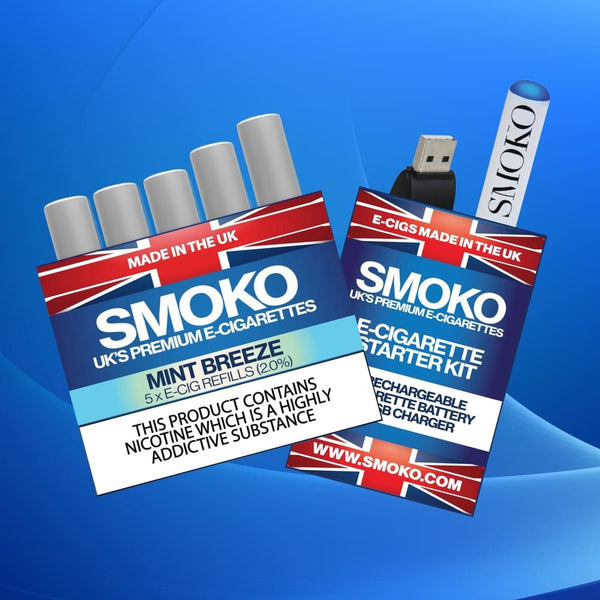
At SMOKO, we aim to provide a hassle-free vaping experience to facilitate a seamless switch from cigarette smoking to vaping; with our devices using prefilled refills, rechargeable batteries and inhale activation, and a real smoking sensation! Check out the SMOKO E-Cigarette & Vape Starter Kit Deals and make the switch today!
FAQ: Essential Vaping Safety Tips
1. Are vape devices safe to use?
Yes—when purchased from reputable, UK-regulated brands. Devices and e-liquids that meet UK TRPR standards undergo strict quality and safety checks. Avoid unregulated or counterfeit products.
2. How often should I replace my vape coils or pods?
Most coils or pods last 1–2 weeks, depending on how frequently you vape and the type of e-liquid you use. Replace them when you notice a burnt taste, reduced vapour, or muted flavour.
3. What nicotine strength should I choose?
If you’re switching from smoking, start with a strength that matches your habit—11–20mg for heavier smokers, 6–12mg for light to moderate smokers. You can reduce nicotine gradually over time.
4. Can vape batteries explode?
Battery issues are rare but can happen with improper use. Always use the right charger, avoid overcharging, keep batteries clean and dry, and never use damaged cells.
5. Is it safe to mix my own e-liquids?
DIY mixing increases the risk of incorrect nicotine levels or contamination. For best safety, stick to professionally blended, UK-tested e-liquids.
6. Can vaping help me quit smoking?
Yes—vaping is recognised by UK health authorities as a far less harmful alternative and an effective quitting tool when paired with the right nicotine strength and support.
References
(1) Public Health Implications of Raising the Minimum Age of Legal Access to Tobacco Products
(2) Press release: E-cigarettes around 95% less harmful than tobacco estimates landmark review
(3) How Do Weather Conditions Affect Lithium Battery Performance
(4) Tips to Help Avoid Vape Battery Fires or Explosions
(5) MHRA E-cigarette and Vape Products Guidance Hub
ABOUT THE AUTHOR
Written by Dan Overgage
Dan Overgage is a former smoker of 10 years until he became a client of SMOKO E-Cigarettes. Dan started working with SMOKO 6 years ago after successfully quitting using our e-cigarettes and works across our Customer Service and heads up our content creation and research with a strong focus on all things quitting smoking. During his tenure with SMOKO, Dan has written countless blogs and consults with countless clients every day to help them to stay smoke-free.
Last updated 20/11/2025