Sugar-free nicotine gum is a popular nicotine replacement therapy (NRT) for adults who want to quit smoking or reduce their tobacco use. It can ease nicotine cravings and withdrawal symptoms without exposing users to the tar, carbon monoxide and other toxic substances produced by burning cigarettes.
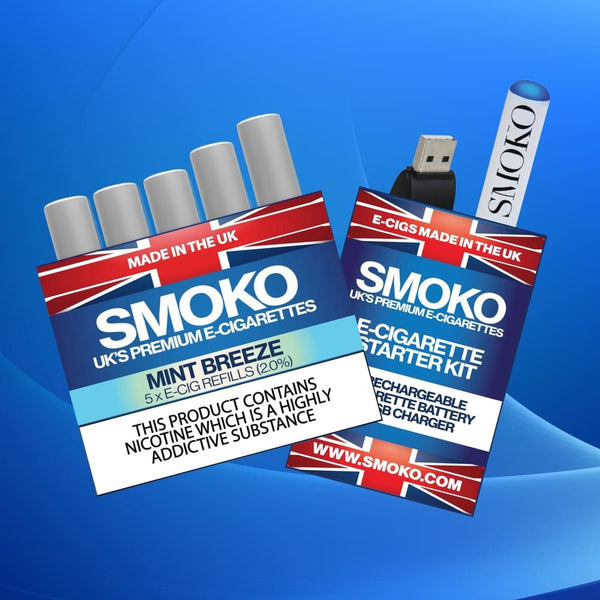
At SMOKO E-Cigarettes and Vapes, we understand that stopping smoking can be difficult. Since 2012, SMOKO reports that its customers have prevented more than 850 million cigarettes from being smoked and saved over £510 million. Alongside our prefilled e-cigarettes and vapes containing UK-made e-liquid, we offer SMOKO 2mg Sugar-Free Nicotine Gum, available in Blueberry, Mint and Watermelon flavours to give adult smokers another smoke-free option for managing nicotine cravings.
What Is Sugar-Free Nicotine Gum?
Sugar-free nicotine gum is a licensed nicotine replacement therapy that delivers nicotine without tobacco smoke or added sugar. It is designed to reduce cravings and withdrawal symptoms while a person stops or cuts down smoking.

Unlike ordinary chewing gum, its active medicinal ingredient is nicotine polacrilex, and you use it with the “chew and park” technique to release nicotine gradually for nicotine absorption through the lining of your mouth. Chew gum slowly until the taste becomes strong or you feel a tingling sensation, then rest a piece of gum between your cheek and gum so nicotine absorb properly; it should not be chewed continuously. Repeat the cycle for about 30 minutes, and each piece of nicotine gum releases about 1mg of nicotine in 30 minutes, following the instructions supplied with your product.
Nicotine gum commonly comes in 2mg and 4mg strengths, with the appropriate option depending on the number of cigarettes a person smokes, their nicotine dependence, and whether they get enough nicotine to manage the urge to smoke and unpleasant withdrawal symptoms. Current NHS nicotine gum guide suggests 2mg for people who smoke 20 or fewer cigarettes a day and 4mg for those who smoke more; users should always follow their own pack or a healthcare professional’s advice.
How Nicotine Released from Gum Helps Control Nicotine Intake
Nicotine dependence has both physical and behavioural components. After stopping smoking, people may experience cravings, irritability, restlessness, low mood or difficulty concentrating. Nicotine gum supplies a controlled dose without the dangerous chemicals in cigarette smoke, helping people quit smoking by easing strong cravings when the urge to smoke appears after stopping cigarettes.
The NHS says nicotine replacement therapies are safe, proven stop-smoking products that can double a person’s chances of quitting for good. A Cochrane review also found that licensed nicotine replacement products increase long-term quit rates compared with willpower alone, and nicotine gum can double quitting success rates compared with willpower alone. As smoking decreases, users can gradually reduce the amount or strength of gum when they feel ready.
Nicotine gum is a fast-acting NRT that can be used when a craving occurs. Unlike nicotine patches, which release nicotine steadily, gum gives users more control over the timing of each dose. Patches provide a slower, steadier background dose, while gum can be used for breakthrough cravings. This flexibility can be useful when urges are linked to coffee, driving, work breaks, stress or other familiar smoking triggers.
For the strongest support, ask a pharmacist, GP, healthcare provider or local Stop Smoking Service how to combine the right product with personalised behavioural help.
Benefits of Choosing Sugar-Free Over Regular Nicotine Gum
Choosing sugar-free nicotine gum avoids repeated exposure to added sugar while you manage smoking cravings. Sugar contributes to tooth decay, so replacing it with an approved low-calorie or no-calorie sweetener can help reduce that particular risk. Formulations vary and may contain sweeteners such as xylitol, sorbitol or aspartame. Check the ingredients because some polyols can have a laxative effect in larger amounts, while aspartame is unsuitable for people with phenylketonuria (PKU).
For people with diabetes or anyone monitoring sugar intake, a sugar-free formulation may be more convenient than a sugar-containing alternative. However, stopping or reducing smoking can alter insulin or diabetes medication needs, so monitor blood glucose as advised and ask a pharmacist or clinician if needed.

Sugar-free gum may also contain fewer calories than gum sweetened with sugar. The difference per piece is usually small, and nicotine gum should not be treated as a weight-loss product. Anyone concerned about weight gain after quitting can combine stop-smoking support with a balanced diet and regular activity.
Mint and fruit options can make repeated use more acceptable for people who dislike the taste of unflavoured NRT. Flavour preference is personal, so the best choice is one you can use correctly and consistently.
How to Use Nicotine Gum Correctly and Avoid Mistakes
Correct use helps nicotine gum control cravings while limiting unwanted effects. A common mistake is chewing continuously as though it were regular chewing gum. Releasing nicotine too quickly can cause mouth soreness, stomach discomfort and other stomach problems, alongside hiccups, throat irritation, nausea, indigestion or jaw discomfort.
Use the “chew and park” method by chewing slowly until you notice a strong taste or tingling; a peppery taste is often a sign the nicotine is being released. Then place the gum between your cheek and gum for a minute or two. Start chewing again when the sensation fades. Continue this cycle for around 30 minutes or for the period specified in the product leaflet.
Do not eat or drink while using nicotine gum. The pieces of gum per day and maximum daily dose vary by brand and strength, so do not assume one product’s limit applies to another. For the best results, it is recommended to use at least nine pieces of 2 mg nicotine gum per day during the first six weeks to help control cravings effectively. However, do not exceed 15 pieces per day, and use each piece exactly as directed to deliver enough nicotine without causing side effects.
The NHS recommends using NRT for about 12 weeks(1) or for as long as it is needed to prevent a return to smoking. When cravings are stable, users can reduce the number of pieces or move to a lower strength in line with the product instructions. Speak to a pharmacist, GP or Stop Smoking Service if cravings remain strong, side effects persist or reducing the gum proves difficult.
Nicotine Gum Side Effects and Safety Considerations
Sugar-free nicotine gum is generally well tolerated when used as directed, but it can cause side effects. Commonly reported effects include headache, nausea, hiccups, sore mouth or throat and throat irritation, while some users also experience indigestion or jaw discomfort. Chewing more slowly and parking the gum correctly may reduce symptoms caused by releasing nicotine too quickly, and mild mouth or stomach effects often ease as the body adjusts.
Dizziness, palpitations or persistent symptoms may indicate that the strength, dose or product is unsuitable. Nicotine can also raise heart rate and blood pressure, so do not ignore ongoing cardiovascular symptoms. Stop using it and seek urgent medical help for signs of a severe allergic reaction, chest pain or other serious symptoms.
NRT is a safer option than continuing to smoke during pregnancy, but the NHS advises speaking to a healthcare professional first to choose the right product. During breastfeeding, only a small amount of nicotine from NRT passes into breast milk and the NHS describes it as safer than exposing a baby to second-hand smoke.
People with jaw-joint problems, dentures or significant dental issues may find nicotine gum uncomfortable or impractical. Some people may be better suited to other nicotine replacement products if gum is not tolerated, depending on individual needs and medical advice. For adults who smoke, a regulated nicotine vape is another quitting option that is less harmful than smoking(6).
Nicotine Gum Alternatives That Benefit Smokers During a Quit Attempt
Sugar-free nicotine gum can work alone, but combining a fast-acting NRT with a slow-acting nicotine patch may improve results. A 2023 Cochrane review of combination NRT(2) found high-certainty evidence that this approach produces higher long-term quit rates than using one form of NRT. Nicotine replacement products also reduce exposure to the toxins in cigarette smoke linked to smoking related disease.
Behavioural support can add practical help and accountability to a quit attempt. A local Stop Smoking Service, pharmacist, GP or trained adviser can help you set a quit date, choose suitable treatments and plan for difficult situations. Friends, family, quitlines and digital tools can also reinforce motivation between appointments.
Short periods of physical activity can distract from a craving and help break a routine associated with smoking. The NHS guide to smoking triggers and cravings(3) suggests alternatives such as taking a walk or doing a simple workout when an urge strikes. Regular activity can also support mood and general health during the quitting process.

Nicotine vaping is another option for adults who smoke and want to stop cigarettes. The NHS says vaping is less harmful than smoking(4) and can be an effective quitting tool, but should not be used by children or non-smokers. Nicotine gum can be up to 60% cheaper than cigarettes, and a pack-a-day smoker may spend over £15 daily. SMOKO offers rechargeable, prefilled e-cigarettes and vape systems that use UK-made e-liquid and provide the familiar hand-to-mouth action some adults find helpful.
The best stop-smoking plan(5) is the one that controls withdrawal, fits your routine and helps you stop smoking completely without using more nicotine than you need.
Conclusion
Sugar-free nicotine gum is a proven, accessible option for managing cravings while quitting smoking. It delivers nicotine without tobacco smoke and avoids added sugar, although ingredients differ between products and should be checked carefully. Used with the correct “chew and park” technique, an appropriate strength and a gradual reduction plan, it can support a successful quit attempt.
No single stop-smoking method suits everyone. Your best option may be nicotine gum, combination NRT, prescription stop-smoking medicine or a regulated nicotine vape if you are an adult smoker. Professional support can help you compare the benefits, risks and dosing requirements and build a plan around your smoking pattern.
SMOKO reports that its customers have prevented more than 850 million cigarettes from being smoked and saved over £510 million since the brand launched in 2012. Whatever method you choose, aim to stop smoking completely and use trusted NHS, pharmacy or Stop Smoking Service support whenever you need it.
Frequently Asked Questions
Does sugar-free nicotine gum help you quit smoking?
Yes. Nicotine gum is a licensed nicotine replacement therapy (NRT) that can reduce nicotine cravings and withdrawal symptoms while you stop smoking. It provides nicotine without exposure to the tar and carbon monoxide produced by burning cigarettes.
What is the difference between 2mg and 4mg nicotine gum?
The appropriate strength depends on your smoking habits and level of nicotine dependence. NHS guidance generally recommends 2mg gum for people smoking 20 or fewer cigarettes per day and 4mg for those smoking more, although you should always follow the instructions for your specific product or advice from a healthcare professional.
How do you use nicotine gum correctly?
Use the “chew and park” technique rather than chewing continuously. Slowly chew until you notice a strong or peppery taste or tingling sensation, then park the gum between your cheek and gum. Repeat this process for around 30 minutes or as directed by the product instructions.
How long should you use nicotine gum when quitting smoking?
The NHS generally recommends using NRT for around 12 weeks or for as long as needed to prevent returning to cigarettes. Once cravings are under control, you can gradually reduce how often you use the gum or move to a lower strength.
Can you use nicotine gum with nicotine patches?
Yes. Combining a slow-acting nicotine patch with faster-acting NRT such as nicotine gum can be more effective than using one type of NRT alone. The patch provides steady nicotine throughout the day, while the gum can help manage breakthrough cravings.
References
(1) Quit smoking with nicotine replacement therapies | NHS
(2) What is the best way to use nicotine replacement therapy to quit smoking?
(3) Understand your smoking triggers and cravings | NHS
(4) Vaping to quit smoking | NHS
(5) Tobacco: preventing uptake, promoting quitting and treating dependence | NICE
(6) Are smoking alternatives less harmful than cigarettes?
ABOUT THE AUTHOR
Written by Mike Cameron
Mike Cameron is a former smoker of 15 years (2 packs a day) until he successfully quit using a cigalike. Mike is the Co-Founder and CEO of SMOKO E-Cigarettes and over the last 13+ years, SMOKO has prevented 850M+ cigarettes from being smoked, helped their customers save £510M+ of their hard-earned money from going up in smoke and helped 10,000’s of adult smokers in 25+ countries to live smoke-free.
Last updated 02/09/2026