Table of Contents
- Key Takeaways
- Understanding Vaping Safety and Lung Health
- Key Features of Lung-Safe Vaping Devices and Third Party Lab Testing
- E-Liquid Ingredients, Popcorn Lung, and Their Impact on Lung Safety
- Proper Vaping Techniques for Lung Health
- Maintenance and Hygiene for Safe Vaping
- Choosing the Right Vape for Your Needs
- What is the Safest Vape for your lungs - Conclusion
- What is the Safest Vape for your lungs FAQ
- References
Key Takeaways
-
No vape is completely risk-free, but regulated devices with tested e-liquids are considered safer than disposable or illicit products.
-
Choosing lower nicotine strengths and avoiding unknown ingredients (like illicit THC or vitamin E acetate) can reduce potential lung risks.
-
The safest option for lung health is not vaping at all—but for smokers, switching to reputable brands that prioritise safety can be less harmful than continuing to smoke, as these brands adhere to strict safety standards and quality control.
As vaping continues to grow in popularity as an alternative to traditional cigarettes, many people are asking the crucial question: what is the safest vape for your lungs? With millions of smokers worldwide looking for healthier alternatives, it's important to note that Public Health England has concluded that e-cigarettes are approximately 95% less harmful than smoking traditional cigarettes, making vaping a healthier alternative for smoking cessation.
Understanding the safety aspects of different vaping devices and practices has become more important than ever. While no vaping product is completely risk-free, making informed choices about devices, e-liquids, and usage patterns can significantly reduce potential health impacts on your respiratory system.
Understanding Vaping Safety and Lung Health
When evaluating vape safety for lung health, it’s essential to understand that vaping is widely considered less harmful than smoking traditional cigarettes. According to research from Public Health England, e-cigarettes are around 95% less harmful than tobacco cigarettes (1). This significant reduction in harm occurs because vaping eliminates the combustion process that creates thousands of toxic chemicals found in cigarette smoke.

It's also important to understand the vaping industry, which now offers a wide variety of vape products, each with different safety standards and regulatory compliance. Consumers should be aware of potential health risks and how vaping affects the body, as long-term effects are still being studied.
However, safety is relative, and several factors contribute to making one vape safer than another for your lungs. These include the quality of manufacturing, the ingredients in e-liquids, temperature control, and proper device maintenance. Understanding these elements helps consumers make better choices for their respiratory health.
The key difference lies in what you’re inhaling. Conventional cigarettes involve burning tobacco wrapped in paper, producing tar, carbon monoxide, and over 70 known carcinogens through combustion (2). Vaping, conversely, heats e-liquid to create vapour without combustion, dramatically reducing the number of harmful chemicals produced.
Key Features of Lung-Safe Vaping Devices and Third Party Lab Testing
The safest vapes for your lungs typically share several important characteristics that prioritise user health and safety. Temperature control stands out as one of the most critical features, as excessive heat can break down e-liquid ingredients into potentially harmful compounds (3). In addition, a safe vape device should offer advanced safety features such as battery capacity monitoring, reliable rechargeable battery systems, and built-in protections to ensure safe and efficient operation.
Quality manufacturing and certification are equally important. Look for devices that meet safety standards and have been tested by reputable organisations. Devices manufactured in countries with strict quality control standards, such as the UK, often provide better safety assurances due to rigorous testing and compliance requirements.
Adjustable airflow systems contribute to lung safety by allowing users to customise their inhaling experience. Proper airflow prevents overheating and ensures consistent vapour production without putting excessive strain on the respiratory system.
-
Temperature control technology to prevent overheating
-
Quality batteries with safety protections
-
Battery capacity suited for device longevity and safety
-
Food-grade and high quality materials in construction
-
Proper ventilation and airflow design
-
Easy-to-clean components for hygiene maintenance
-
Leak-resistant designs to prevent e-liquid contamination
-
Child-resistant features and tamper-evident packaging to prevent accidental use
Choosing pod kits and refillable vape options from reputable vape brands ensures you benefit from advanced safety features, ingredient transparency, and regulatory compliance.
Modern vape devices should include built-in safety features such as overcharge prevention, short-circuit protection, and child-resistant features. In the UK, compliance with regulations like TRPR (Tobacco and Related Products Regulations), MHRA, and TPD is required, including tamper-evident packaging and child-resistant mechanisms to enhance safety and prevent accidental use by minors.
Regulated products comply with local safety standards, ensuring product safety and quality.
E-Liquid Ingredients, Popcorn Lung, and Their Impact on Lung Safety
The safety of your vaping experience heavily depends on the quality and composition of the e-liquid you choose. The safest e-liquids contain minimal ingredients, typically including propylene glycol (PG), vegetable glycerine (VG), nicotine, and food-grade flavourings. High-quality e-liquids use pharmaceutical grade ingredients like propylene glycol and vegetable glycerine, as well as pharmaceutical-grade nicotine to ensure purity and safety.
Propylene glycol and vegetable glycerine form the base of most e-liquids. Both ingredients are generally recognised as safe for consumption, though some individuals may experience sensitivity to PG. VG tends to be gentler on the throat and lungs, making high-VG blends potentially more suitable for those with respiratory sensitivities.

Avoiding e-liquids with questionable additives is crucial for lung health. Some cheaper or unregulated products may contain banned ingredients, harmful additives, or substances like diacetyl (a food additive used for buttery flavour in popcorn), acetyl propionyl, or vitamin E acetate, which have been linked to serious lung conditions such as popcorn lung and E-Cigarette and Vaping Associated Lung Injuries (EVALI). Harmful byproducts can also result from unsafe formulations.
Nicotine strength also plays a role in lung safety. It’s important to check the nicotine levels in your vape juice, as well as to consider low nicotine and nicotine free options, depending on your needs. While nicotine itself isn’t the primary cause of smoking-related lung disease, using the appropriate strength helps ensure you’re not over-vaping to satisfy cravings, which could increase overall exposure to vapour.
Proper Vaping Techniques for Lung Health
Even with the safest device and highest-quality e-liquid, improper vaping techniques can negatively impact lung health. Moderate usage patterns are essential for minimising any potential respiratory effects while still providing an effective alternative to smoking. Vaping also allows users to gradually reduce nicotine strength, making it a valuable tool for smoking cessation and quit smoking strategies.
The “mouth-to-lung” vaping technique is generally considered safer for beginners and those concerned about lung health. This method mimics traditional smoking patterns and typically involves lower temperatures and less vapour production compared to “direct-lung” vaping. Using mouth-to-lung or direct-lung techniques can help tailor your experience as you work to stop smoking.
Many smokers who use vaping as a cessation tool report that it is easier than quitting cold turkey, as it allows them to satisfy their hand-to-mouth habit without the harmful effects of tobacco smoke. Gradually reducing nicotine intake makes it a more manageable approach for those seeking to quit nicotine altogether.
Temperature management during use is critical. Avoid chain vaping, which can cause devices to overheat and potentially produce harmful compounds. Allow your device to cool between sessions, and never exceed manufacturer-recommended wattage settings.
Remember that hydration is important when vaping, as both PG and VG can have mild dehydrating effects. Staying well-hydrated helps maintain healthy respiratory function and reduces potential throat irritation.
Maintenance and Hygiene for Safe Vaping
Proper device maintenance plays a crucial role in ensuring your vape remains safe for your lungs throughout its lifespan. Regular cleaning of your vape pen, pod, or tank prevents the buildup of bacteria, residue, and other contaminants that could negatively impact respiratory health.
Coil replacement is one of the most important maintenance tasks. Old or burnt coils can produce harsh vapour and potentially harmful compounds (4). As vaping on a burnt coil increases the risk of exposure to harmful chemicals, be sure to replace coils according to manufacturer recommendations or when you notice decreased flavour quality or burnt tastes.
Keep your device clean by regularly wiping down surfaces, cleaning the mouthpiece, and ensuring proper storage. Use appropriate cleaning solutions and allow components to dry completely before reassembly to prevent moisture-related issues. Regular cleaning and frequent coil replacement are essential for maintaining the safety of your vape pen or device.
Battery safety cannot be overlooked, as damaged batteries can pose safety risks beyond just lung health. Store batteries properly, avoid overcharging, and replace them when they show signs of damage or decreased performance.
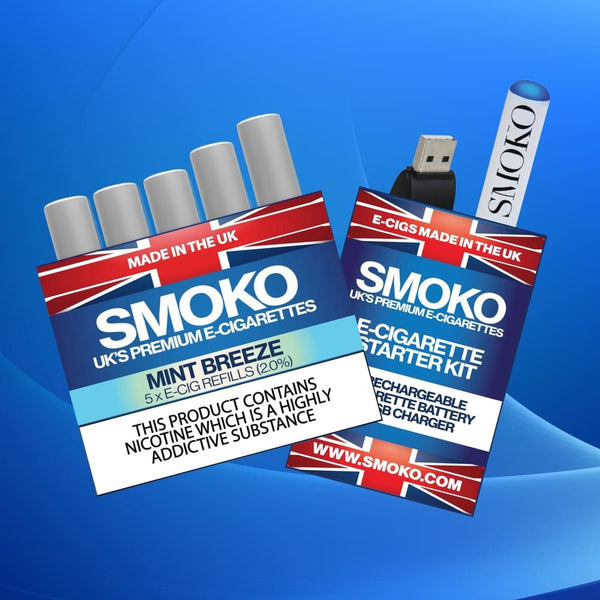
At SMOKO, our devices use prefilled refills that contain the coil, so you are getting a new coil in each new refill. This avoids the need for messy filling, too, minimising the amount of time you need to spend on maintenance!
Choosing the Right Vape for Your Needs
Selecting the safest vape for your lungs requires considering your individual needs, preferences, and health circumstances. Health risks such as lung disease, heart disease, and high blood pressure should be carefully considered, as nicotine use can exacerbate these conditions. If you have any of these health issues, it is important to consult a doctor before beginning vaping.
Pod systems and cig-a-likes often provide the gentlest introduction to vaping, with lower power output and mouth-to-lung designs that closely mimic smoking. High-power devices produce more vapor and potential toxins (5), so low-power, mouth-to-lung devices are generally better for lung health. Avoiding high-wattage devices is recommended, as higher-power devices can generate more volatile compounds and potential toxins, increasing health risks.

Consider your local regulations and available products. The UK’s Medicines and Healthcare products Regulatory Agency (MHRA) provides guidance on approved vaping products that meet UK safety regulations, such as TRPR and TPD, ensuring compliance with strict safety standards (6). These regulations are key factors in product safety and can help inform your decision-making process.
What is the Safest Vape for your lungs - Conclusion
Determining the safest vape for your lungs involves multiple considerations, from device quality and e-liquid ingredients to proper usage techniques and maintenance practices. While no vaping product is entirely without risk, choosing well-manufactured devices, using high-quality e-liquids with minimal additives, and following proper vaping practices can significantly minimise potential lung health impacts. It is crucial to choose reputable brands that prioritise safety, as these companies focus on ingredient transparency, regulatory compliance, and rigorous safety testing. Wellness vapes, which are nicotine-free and infused with vitamins or herbal extracts, are marketed as healthier alternatives, but their safety is not fully established and inhaling such compounds is not yet proven safe.
The evidence consistently shows that vaping represents a substantially safer alternative to traditional smoking for those who cannot or will not quit nicotine entirely. According to the Royal College of Physicians, the hazard to health arising from long-term vapour inhalation from e-cigarettes is unlikely to exceed 5% of the harm from smoking tobacco.
Remember that the safest approach is always to avoid inhaling any substance unnecessary for health, but for current smokers, switching to a quality vaping device with proper e-liquids represents a significant harm reduction strategy. Always prioritise products from reputable brands, stay informed about emerging research, and consult healthcare professionals if you have specific health concerns about vaping and lung safety.
SMOKO has been helping smokers quit for over 12 years with our UK-made e-liquid, held to the high standards set out by the UK regulations and are submitted to the MHRA for approval before sale. We provide prefilled, low power vapes to make the vaping experience as safe and easy as possible. So, if you are a smoker looking to quit, check out the SMOKO E-Cigarette and Vape Starter Kit Deals and make the switch today!
What is the Safest Vape for your lungs FAQ
Is vaping safe for your lungs?
Vaping is not completely safe, as inhaling any substance can affect lung health. However, it is generally considered less harmful than smoking traditional cigarettes.
What type of vape is safest to use?
Refillable, regulated devices using reputable, tested e-liquids are typically safer than disposable or unregulated products.
Are disposable vapes bad for your lungs?
Disposable vapes can pose higher risks due to inconsistent quality control and limited transparency around ingredients, especially if bought from unreliable sources.
What ingredients should I avoid in vapes?
Avoid products containing unknown additives, illicit THC, or harmful substances like vitamin E acetate, which has been linked to lung injuries.
Is nicotine-free vaping safe?
Nicotine-free vapes remove the risk of nicotine addiction, but inhaling vapour may still irritate the lungs and is not risk-free.
What’s the safest option for lung health?
The safest option is not to vape or smoke at all. For current smokers, switching to a regulated vape can be a less harmful alternative.
References
(1) E-cigarettes around 95% less harmful than tobacco estimates landmark review
(2) Harmful Chemicals in Tobacco Products
(3) Effect of Heating on Physicochemical Property of Aerosols during Vaping
(5) High-power vaping injures the human lung
(6) MHRA E-cigarette and Vape Products Guidance Hub
ABOUT THE AUTHOR
Written by Dan Overgage
Dan Overgage is a former smoker of 10 years until he became a client of SMOKO E-Cigarettes. Dan started working with SMOKO 5 years ago after successfully quitting using our e-cigarettes and works across our Customer Service and heads up our content creation and research with a strong focus on all things quitting smoking. During his tenure with SMOKO, Dan has written countless blogs and consults with countless clients every day to help them to stay smoke-free.
Last updated 16/04/2026