Table of Contents
Key Takeaways
-
Nicotine withdrawal symptoms are usually strongest during the first 24 to 72 hours, with cravings, irritability and other symptoms gradually improving over the following two to four weeks.
-
Managing nicotine withdrawal is easier with practical strategies, including deep breathing, regular exercise, avoiding smoking triggers and seeking support from friends or stop-smoking services.
-
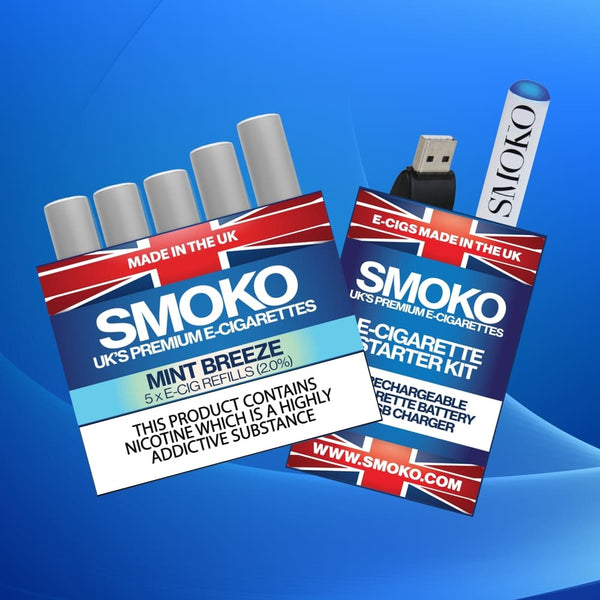
Nicotine replacement therapy and SMOKO's UK-made e-cigarettes can help adult smokers manage cravings, making the transition away from cigarettes more manageable while allowing gradual nicotine reduction.
Quitting smoking is one of the best things you can do for your health, your wallet and the people around you. But anyone who has tried knows that the first few days and weeks can feel like a battle. Nicotine withdrawal is real, it is uncomfortable, and it catches many people off guard. The good news is that it is temporary, predictable and very manageable when you know what to expect and how to respond.
At SMOKO, we have spent more than 13 years helping UK smokers make the switch, preventing over 850 million cigarettes from being smoked and helping customers save more than £510 million along the way. In this guide, we explain what nicotine withdrawal actually is, how long it lasts, and the practical steps you can take to get through it comfortably.
What Is Nicotine Withdrawal?
Nicotine is a stimulant that binds to receptors in your brain and triggers the release of dopamine, the chemical linked to reward and pleasure. When you smoke or vape regularly, your brain adapts to a steady supply of nicotine and reduces its own natural production of certain neurotransmitters. When you suddenly cut off that supply, your brain has to recalibrate. That recalibration period is what we call nicotine withdrawal.

Withdrawal is not a sign that something is going wrong. It is actually a sign that your body is healing and rebalancing itself. The symptoms can be physical, mental and emotional, and they vary widely from person to person. Some people breeze through with mild irritability; others feel like they have a heavy cold for a week. Neither experience is unusual.
Common Nicotine Withdrawal Symptoms
Knowing what to expect makes symptoms far less alarming when they arrive. Most people experience a combination of the following:
-
Cravings: Intense, sometimes sudden urges to smoke, often triggered by habits such as a morning coffee, a break at work or a drink with friends.
-
Irritability and mood swings: Snapping at loved ones or feeling unusually low is extremely common in the first two weeks.
-
Anxiety and restlessness: A jittery, on-edge feeling, sometimes with difficulty sitting still.
-
Poor concentration: Brain fog and forgetfulness are typical while your brain adjusts.
-
Sleep problems: Trouble falling asleep, waking during the night, or vivid dreams.
-
Increased appetite: Nicotine suppresses appetite, so hunger often returns with a vengeance.
-
Physical symptoms: Headaches, coughing, sore throat, constipation and sometimes mouth ulcers as your body clears out tar and mucus.
If you experience a cough or chest discomfort after quitting, this is often a positive sign. Your lungs' cilia are waking up and clearing out debris. It usually settles within a few weeks.
How Long Do Nicotine Cravings and Withdrawal Symptoms Last?
There is no single timeline, but most quitters follow a broadly similar pattern, and smoking withdrawal symptoms(1) usually last around 3 to 4 weeks on average:
-
First 24 to 72 hours: This is typically the peak, and the first week is often the hardest overall. Nicotine leaves your body quickly, and cravings and irritability are at their strongest.
-
Week one to two: Physical symptoms ease, but psychological cravings and mood swings remain noticeable.
-
Weeks three to four: Most people report feeling significantly better, with cravings becoming shorter and less frequent.
-
Months two to three: Residual cravings may still appear in specific situations, but they are usually brief and manageable.
Some people experience low mood or lingering cravings for several months, particularly if they have smoked heavily for many years. This is not a failure. It is a normal part of rewiring a long-standing habit, and it does pass.
Practical Strategies for Coping With Withdrawal
1. Managing Nicotine Withdrawal With Nicotine Replacement or a Vape
Going cold turkey works for some, but nicotine replacement therapy (NRT) dramatically reduces withdrawal intensity for most people. Patches, gum, lozenges and inhalators are all nicotine replacement products that can help you manage withdrawal symptoms without the tar and carbon monoxide of cigarettes. Nicotine patches are a slow-acting option, and combining nicotine patches with gum can improve quitting success rates. For many UK smokers, a vape is the preferred route(5) because it replicates the hand-to-mouth ritual that cigarettes provide.

SMOKO's UK-made e-cigarettes and vapes come in a range of nicotine strengths, so you can start at a level that keeps cravings at bay and gradually step down over time. Vaping may also reduce some health risks compared with smoking(2) while still delivering nicotine. The key is to be honest about how much you were smoking and choose a strength that matches it rather than under-shooting and setting yourself up to fail. Some people also use prescription medications recommended by a healthcare professional, which do not contain nicotine.
2. Break the Habit Loops When You Decide to Quit
Much of what feels like nicotine withdrawal is actually habit withdrawal. The cigarette with your morning coffee, the one in the car, the one on a work break: these are rituals your brain has linked to smoking. Try to disrupt them deliberately:
-
Change your routine: sit somewhere different, take a different route to work, drink tea instead of coffee for a week.
-
Keep your hands and mouth busy: sugar-free gum, a water bottle, a stress ball or a vape can all help.
-
Identify your top three triggers and write down a specific plan for each one.
3. Manage Cravings With Distractions and Deep Breaths
Cravings feel overwhelming but they are surprisingly short(4), usually peaking and fading within three to five minutes. Use the "delay and distract" technique: when a craving hits, tell yourself you will wait five minutes, and do something else in the meantime. Try deep breathing. Inhale slowly through your nose and exhale through your mouth, as taking slow, deep breaths can help reduce withdrawal symptoms. Drink a glass of water, step outside for fresh air, message a friend, or do twenty star jumps. By the time you finish, the urge will usually have passed.
4. Manage Nicotine Withdrawal Symptoms Affecting Sleep and Appetite
Sleep disruption makes every other symptom harder, so protect it. Avoid caffeine after midday, keep a consistent bedtime, and try a relaxing wind-down routine. If you wake at night, resist the urge to check your phone.
For increased appetite, plan ahead. Stock up on healthy snacks like fruit, nuts and chopped vegetables, and drink plenty of water. Some weight gain during quitting is common, but it is usually modest and far less harmful than smoking. Focus on getting through the first month before worrying about the scales.
5. Move Your Body to Help With Common Withdrawal Symptoms
Exercise is one of the most effective withdrawal tools available. Even a brisk ten-minute walk releases dopamine and endorphins, reduces irritability and distracts your brain from cravings. Build small bursts of movement into your day, especially at times when you would normally have smoked.
6. Build a Support Network for Handling Nicotine Withdrawal
Quitting is easier when you are not doing it alone. Tell friends, family and colleagues that you are quitting nicotine, and ask them not to offer you cigarettes or vape in tempting situations. Consider joining a local stop smoking service(3), many of which are free across the UK, or use a quit-tracking app to celebrate milestones. You could also look into a tobacco cessation programme for more structured support. Online communities of former smokers can be a huge source of encouragement on difficult days. The right support can also help you stay quit once the early withdrawal phase has passed.
7. Be Kind to Yourself on Your Journey to Becoming Nicotine Free
If you slip and have a cigarette, it does not mean you have failed. It means you are human. The most important thing is to get straight back on track rather than abandoning the whole attempt. Many people need several tries before they quit for good, and each attempt teaches you something about your triggers.
How a Vape Can Help You Quit Smoking Without Going Cold Turkey
For many smokers, the hardest part of quitting is not the nicotine itself but the loss of the ritual. Vaping bridges that gap. It gives you the hand-to-mouth action, the pause in your day and the familiar sensation of inhaling and exhaling, all without the tar, ash or thousands of chemicals found in cigarette smoke.
Some smokers also use nicotine pouches, which release nicotine through the lining of the mouth and gums when placed under the lip, though evidence on how useful they are for quitting is still limited.

SMOKO's products are made in the UK to high manufacturing standards, with clear nicotine strength labeling so you can manage your intake deliberately. A sensible approach is to start at a strength that genuinely satisfies your cravings, stay there for a few weeks until you feel stable, and then gradually reduce the strength at your own pace(7).
Conclusion
Nicotine withdrawal is uncomfortable, but it is temporary, and it is a sign that your body is repairing itself. Expect the first three days to be the toughest, plan for your triggers, use nicotine replacement or a vape to take the edge off, and lean on the people around you. With a clear plan and a little patience, the worst of it will be behind you within a couple of weeks, and the health and financial benefits will keep building for years to come.
Frequently Asked Questions
What are the most common nicotine withdrawal symptoms?
Common nicotine withdrawal symptoms include cravings, irritability, anxiety, headaches, difficulty concentrating, sleep problems and increased appetite. These symptoms are temporary and usually become easier to manage as your body adjusts to having less nicotine.
How long does nicotine withdrawal last?
Nicotine withdrawal symptoms are usually strongest during the first 24 to 72 hours after quitting smoking. Most physical symptoms improve within two to four weeks, although occasional cravings and psychological triggers may continue for several months.
What is the fastest way to deal with nicotine withdrawal?
Using nicotine replacement therapy, staying active, drinking water and practising deep breathing can help you manage withdrawal symptoms. When cravings strike, try distracting yourself for five minutes, as most urges are short-lived and gradually become less frequent.
Is it better to quit smoking cold turkey or gradually?
Both approaches can work, but using nicotine replacement therapy or a vape can make quitting more manageable by reducing cravings and withdrawal symptoms. The best approach is one that helps you stop smoking completely and maintain your progress.
Can SMOKO e-cigarettes help with nicotine withdrawal?
SMOKO's UK-made e-cigarettes and vapes offer different nicotine strengths to help adult smokers manage cravings when switching away from cigarettes. Choosing a suitable strength can make the transition more comfortable, with the option to gradually reduce nicotine intake over time.
References
(1) Nicotine Withdrawal Symptoms and How Long They Last | NHS
(2) Vaping Compared With Smoking: UK Government Evidence Review
(3) How to Stop Smoking: Managing Cravings and Withdrawal | Cancer Research UK
(4) How Long Do Cigarette Cravings Last? | British Heart Foundation
(5) Vaping vs Nicotine Patches and Gum: 2026 Quitting Study | The Independent
(6) Reducing Nicotine Strength and Quitting Vaping | BHF
ABOUT THE AUTHOR
Written by Mike Cameron
Mike Cameron is a former smoker of 15 years (2 packs a day) until he successfully quit using a cigalike. Mike is the Co-Founder and CEO of SMOKO E-Cigarettes and over the last 13+ years, SMOKO has prevented 850M+ cigarettes from being smoked, helped their customers save £510M+ of their hard-earned money from going up in smoke and helped 10,000’s of adult smokers in 25+ countries to live smoke-free.
Last updated 16/11/2026