Table of Contents
- Key Takeaways
- Understanding E Cigarette Technology
- Health Implications and Scientific Research - Using E-Cigarettes To Quit Smoking
- Regulatory Landscape and Legal Framework for E Liquid
- Market Trends and Consumer Preferences
- The Social Impact of E Cigarette Sales and Youth Prevention
- Future Outlook and Innovation from an Electronic Cigarette Company View
- Electronic Cigarette: A Comprehensive Guide to Vaping Technology - Conclusion
- Electronic Cigarette FAQs
- References
Key Takeaways
-
Electronic cigarettes heat e-liquid into vapour instead of burning tobacco, offering smokers a smoke-free alternative with fewer harmful chemicals.
-
Modern vaping devices come in a range of styles and nicotine strengths, including vape pens and vape kits, catering to different vaping styles and preferences.
-
Understanding how vaping technology works — from batteries and coils to e-liquids — can help users choose safer, more reliable devices and make informed decisions about switching from smoking.
Electronic cigarettes have revolutionised the smoking landscape since their introduction in the early 2000s. These battery-powered devices, commonly known as E-Cigarettes or vapes, offer an alternative to traditional tobacco smoking by delivering nicotine through vaporised liquid rather than combustion. As the technology has evolved, so too has our understanding of their impact on public health, regulation, and society.
Understanding E Cigarette Technology
At its core, an electronic cigarette is a sophisticated device that converts liquid into vapor through controlled heating. The basic components include a battery, an atomizer or heating element, and a cartridge or tank containing e-liquid. When activated, the battery powers the atomizer, which heats the e-liquid to create an inhalable vapor that mimics the experience of smoking traditional cigarettes.

The e-liquid, also known as vape juice, typically contains a mixture of propylene glycol, vegetable glycerine, flavourings, and often nicotine. A typical e-liquid is composed of 95% propylene glycol and glycerine, and 5% flavourings, nicotine, and other additives. Propylene glycol provides the “throat hit” that smokers associate with traditional cigarettes, while vegetable glycerine creates the visible vapor cloud. The ratio of these ingredients can be adjusted to customise the vaping experience according to individual preferences.
Modern electronic cigarettes have evolved through several generations. First-generation e-cigarettes, known as 'cigalikes', resemble traditional cigarettes, while second-generation devices are larger and less similar in appearance. Third-generation e-cigarettes include mechanical mods and variable voltage devices, and fourth-generation devices feature sub-ohm tanks and temperature control.
These devices range from simple disposable e-cigarettes to sophisticated refillable devices with adjustable power settings. Pod systems, including pod mod devices, have gained particular popularity due to their convenience and ease of use, making them accessible to both beginners and experienced vapers. Pod mod devices utilise protonated nicotine, known as 'nic salt', allowing for higher nicotine yields compared to earlier generations that used free-base nicotine. Advanced devices allow users to control temperature, wattage, and airflow, providing a highly customisable experience.
Cartridges and tanks come in different types, including pre filled or refillable cartridges, prefilled pods, and refillable tanks. Pre filled cartridges and prefilled pods offer convenience and ease of use, while refillable devices allow for greater flexibility and customisation in vaping options.
It is important to note that the vapor produced by electronic cigarettes contains particulate matter, not just water vapor, and may include potentially harmful substances such as metals and volatile organic compounds. While not entirely risk free, evidence indicates that the amount of volatile compounds produced in the vaping process is much lower than in tobacco cigarettes. (1)
Health Implications and Scientific Research - Using E-Cigarettes To Quit Smoking
The health implications of electronic cigarettes remain a subject of ongoing scientific research and debate. According to Public Health England, e-cigarettes are significantly less harmful than traditional cigarettes, with a health review from the Royal College of Physicians suggesting they are at least 95% less harmful than smoking tobacco (2). This reduction in harm is primarily attributed to the absence of combustion, which eliminates many of the toxic chemicals found in cigarette smoke. E-cigarettes do not produce tar or carbon monoxide, two of the most harmful elements in tobacco smoke.
However, it’s important to note that less harmful does not mean harmless. E-cigarettes still contain nicotine, which is the addictive substance in cigarettes and e-cigarettes, and the long-term health consequences of vaping are not yet fully understood due to its relatively recent widespread use. The vapor produced by e-cigarettes is not just water vapor; it contains other chemicals, including toxic substances, heavy metals, and particulate matter. Health authorities warn that vaping aerosol may contain toxic chemicals and heavy metals. Some studies have raised concerns about potential respiratory and cardiovascular effects, particularly with prolonged use or in vulnerable populations such as pregnant women and adolescents. Vaping can also cause lung irritation, inflammation, and has been linked to a potentially fatal lung condition called EVALI where illicit substances have been added to e-liquid using vitamin E acetate.
Research has shown that electronic cigarettes can be effective tools for smoking cessation when used as part of a comprehensive quit-smoking program. Many thousands of people in the UK have successfully stopped smoking with the help of e-cigarettes, indicating their potential effectiveness as cessation tools. A 2021 review found that people who used e-cigarettes to quit smoking, along with expert face-to-face support, can be up to twice as likely to succeed compared to those using other nicotine replacement products like patches or gum (3). The ability to gradually decrease nicotine levels in e-liquids provides a controlled pathway for those seeking to overcome nicotine addiction. However, continuing to smoke cigarettes while vaping (dual use) is as dangerous, or potentially more dangerous, than smoking alone.
The key advantage of electronic cigarettes lies in their potential to deliver nicotine without the harmful byproducts of tobacco combustion, offering a bridge for smokers seeking to reduce their health risks.
Regulatory Landscape and Legal Framework for E Liquid
The regulatory environment surrounding electronic cigarettes varies significantly across different jurisdictions. Regulatory bodies play a crucial role in overseeing e-cigarette marketing and sales, ensuring compliance with advertising standards, product safety, and consumer protection. In the United Kingdom, E-Cigarettes are regulated under the Tobacco and Related Products Regulations 2016, which implemented EU Tobacco Products Directive standards. These regulations govern product safety, quality standards, advertising restrictions, and packaging requirements.
Key regulatory aspects include limitations on nicotine strength (maximum 20mg/ml), tank capacity restrictions (maximum 2ml), and mandatory health warnings on packaging. Manufacturers must notify authorities of their products and provide detailed information about ingredients and emissions. The UK government has taken a relatively supportive stance toward E-Cigarettes as harm reduction tools, even considering prescribing them through the National Health Service. (4)

In contrast, many countries have implemented stricter regulations or outright bans. Some nations prohibit the sale of nicotine-containing e-liquids, while others have banned e-cigarettes entirely. Regulations vary widely across jurisdictions, reflecting the global diversity in legal approaches. The United States has implemented comprehensive regulations through the Food and Drug Administration, requiring manufacturers to obtain premarket authorisation for their products.
These varying regulatory approaches reflect different philosophical perspectives on harm reduction versus precautionary principles. It is important to consider population level effects when evaluating public health outcomes. While some authorities view e-cigarettes as valuable tools for reducing smoking-related harm, others prioritise preventing potential new health risks or youth uptake. Most public health organisations advise that non smokers and non users, especially young people, should not start vaping.
Market Trends and Consumer Preferences
The electronic cigarette market has experienced remarkable growth over the past decade, driven by increasing consumer awareness and technological innovations. This growth has led to the proliferation of many e cigarette brands, including popular brands like Elf Bar, as well as the best brands known for quality and reliability. Market trends indicate a shift toward more sophisticated devices and premium e-liquid formulations, with consumers seeking enhanced flavour profiles and improved device performance.
Pod systems have emerged as the fastest-growing segment, appealing to users who prioritise convenience and discretion. These compact devices offer a balance between simplicity and performance, making them attractive to both new vapers and those transitioning from traditional cigarettes. Alongside pod systems, pre filled devices and disposable vapes have become popular choices for both new and existing vapers seeking easy-to-use and cost-effective options. The popularity of nicotine salts, which provide smoother nicotine delivery at higher concentrations, has further driven pod system adoption.
Flavour variety remains a crucial factor in consumer choice, with manufacturers offering thousands of different flavour profiles and many e-liquid options, ranging from traditional tobacco and menthol to exotic fruits and dessert flavours. The diversity of vaping products, including a wide array of devices and e-liquids, gives consumers extensive choice. However, flavour restrictions in various markets have prompted manufacturers to focus on developing compliant products while maintaining consumer appeal.
The market has also seen consolidation among major players, with established tobacco companies acquiring e-cigarette manufacturers and investing heavily in research and development. This influx of resources has accelerated innovation while raising questions about the industry’s future direction and independence. Disposable vapes have gained significant popularity, but their environmental impact and regulatory scrutiny have become major concerns, with the UK deciding to ban disposable vapes from June 2025.
Price competition is fierce, with brands emphasising great value at a good price as key selling points. Many retailers offer double the difference price match guarantees to assure customers they are getting the best deal.
Retail channels have expanded to include online vape shops, online vape platforms, and traditional vape shops, all offering a wide selection of vaping products and accessories. The customer service team plays a crucial role in ensuring customer satisfaction by addressing concerns and providing support, further enhancing trust and loyalty among consumers.
The Social Impact of E Cigarette Sales and Youth Prevention
The social impact of electronic cigarettes extends beyond individual health considerations to encompass broader public health and social policy concerns. One of the most significant challenges has been preventing youth access and uptake, particularly given the appeal of flavoured products and sophisticated marketing campaigns. E-cigarette marketing has increasingly targeted young adults, adolescents, and women, raising concerns about the potential for re-glamorising smoking.
E-cigarette companies have used celebrity endorsements, social media marketing, and tactics reminiscent of traditional tobacco advertising—including the use of cartoon characters and candy flavours—to appeal to youth and young adults in the United States. These strategies mirror historical tobacco advertising methods and have raised alarms about enticing non-smokers and creating a vaping culture among younger demographics.
Educational initiatives have become crucial components of comprehensive e-cigarette policies. Schools, parents, and healthcare providers work together to educate young people about the risks of nicotine addiction and the importance of making informed decisions about substance use. Many jurisdictions have implemented strict age verification requirements and penalties for retailers who sell to minors.
The normalisation of vaping behaviour has sparked debates about social acceptability and public use policies. While some view vaping as a personal choice that should be accommodated in public spaces, others argue for restrictions similar to those governing traditional smoking. Many establishments have implemented their own policies regarding vaping on their premises, so always be sure to check before you vape in a private establishment.

Healthcare professionals play a vital role in providing evidence-based information about electronic cigarettes to patients and the public. The World Health Organization continues to monitor developments in this field and provides guidance to member countries on regulatory approaches and public health considerations (5). Regulatory approaches must balance protecting youth and non-smokers from targeted marketing with encouraging smokers to switch to less harmful alternatives.
Future Outlook and Innovation from an Electronic Cigarette Company View
The future of electronic cigarettes appears to be shaped by continued technological innovation, evolving regulations, and growing scientific understanding of their health implications. Emerging technologies such as temperature control, smart connectivity, and advanced safety features are likely to enhance user experience while addressing safety concerns. There have been instances of e-cigarettes exploding or catching fire, highlighting the importance of using the correct charger and not leaving devices charging unattended.
Research into harm reduction continues to evolve, with long-term studies providing more comprehensive data on the health effects of chronic e-cigarette use. This evidence will inform future regulatory decisions and clinical recommendations, potentially leading to more nuanced approaches that balance harm reduction benefits with precautionary measures.
The integration of digital health technologies presents opportunities for personalised vaping experiences and smoking cessation support. Apps that track usage patterns, provide cessation coaching, and connect users with healthcare resources could enhance the effectiveness of e-cigarettes as smoking cessation tools. Supporting users throughout their vaping journey—including excellent customer service, loyalty rewards, and recycling initiatives—will be key to fostering long-term satisfaction and responsible use.
Environmental considerations are also gaining prominence, with manufacturers exploring sustainable materials and recycling programs to address the environmental impact of disposable devices and cartridges. A 2025 review in Nicotine & Tobacco Research concluded that the chemical, metallic, and electrical composition of e-cigarettes could qualify them as hazardous and electronic waste, recommending clear disposal and recycling requirements.
E-cigarettes that are not reusable contribute to the problem of electronic waste, which can release heavy metals, nicotine, and other chemicals from batteries and unused e-liquid if improperly disposed of. In December 2024, research estimated that 13 vapes were being thrown away every second in the UK, amounting to over a million per day, with approximately 8.2 million vapes a week discarded or recycled incorrectly. A 2024 UK study reported that only a minority of surveyed retailers provided recycling points despite existing legal obligations, estimating that more than 250 million disposable vapes could be discarded before regulatory restrictions came into force. The industry’s response to these challenges will likely influence consumer acceptance and regulatory approval.
Electronic Cigarette: A Comprehensive Guide to Vaping Technology - Conclusion
Electronic cigarettes represent a significant technological and social development in the ongoing effort to reduce smoking-related harm. While they offer promising benefits as less harmful alternatives to traditional cigarettes and potential smoking cessation aids, their use must be approached with careful consideration of individual circumstances and current scientific evidence.
The continued evolution of e-cigarette technology, regulation, and scientific understanding will shape their role in public health strategies. Success in maximising benefits while minimising risks will depend on balanced policies that protect vulnerable populations while preserving access for those who can benefit from harm reduction approaches.
As the evidence base continues to develop, consumers, healthcare providers, and policymakers must remain informed about the latest research and regulatory developments. The future of electronic cigarettes will ultimately be determined by our collective ability to navigate the complex intersection of technology, health science, and social policy in pursuit of improved public health outcomes.
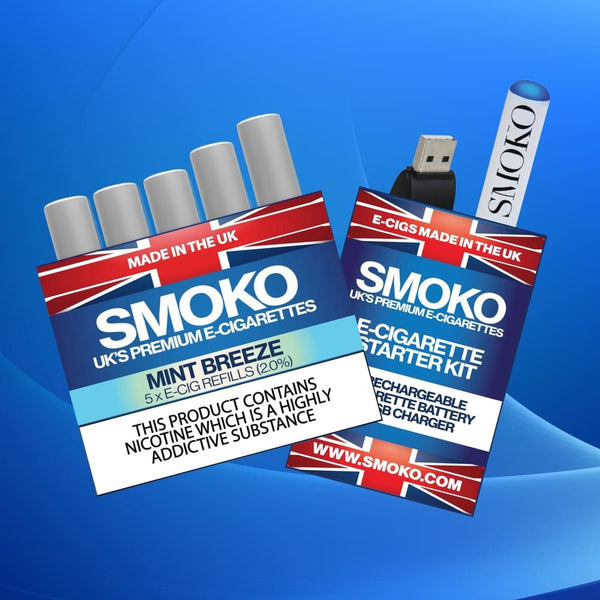
If you are a smoker looking to quit, seeking a convenient and hassle-free vaping experience, then check out the SMOKO E-Cigarette and Vape Starter Kit Deals and make the switch and reduce your harm from smoking today!
Electronic Cigarette FAQs
What is an electronic cigarette?
An electronic cigarette, or e-cigarette, is a battery-powered device that heats e-liquid into vapour for inhalation instead of burning tobacco.
How does vaping technology work?
Vaping devices use a battery to power a coil, which heats the e-liquid stored in a pod or tank. This creates vapour that users inhale.
Is vaping safer than smoking cigarettes?
Public health experts generally agree that vaping is less harmful than smoking because it does not involve tobacco combustion, although it is not completely risk-free.
What ingredients are in e-liquid?
Most e-liquids contain propylene glycol (PG), vegetable glycerine (VG), flavourings, and optional nicotine.
Can electronic cigarettes help people quit smoking?
Many adult smokers use vaping as a smoking alternative, and some find it helpful for reducing or quitting traditional cigarette use.
References
(2) RCP: E-cigarettes and non-combustible inhaled tobacco products
(3) Electronic cigarettes for smoking cessation
(4) National Centre for Smoking Cessation and Training: Swap to Stop
(5) WHO: Tobacco: E-cigarettes
ABOUT THE AUTHOR
Written by Dan Overgage
Dan Overgage is a former smoker of 10 years until he became a client of SMOKO E-Cigarettes. Dan started working with SMOKO 6 years ago after successfully quitting using our e-cigarettes and works across our Customer Service and heads up our content creation and research with a strong focus on all things quitting smoking. During his tenure with SMOKO, Dan has written countless blogs and consults with countless clients every day to help them to stay smoke-free.
Last updated 20/05/2026