Table of Contents
- Key Takeaways
- The Agricultural and Manufacturing Footprint
- Waste Generation and Environmental Persistence
- Air Quality and Atmospheric Impact
- Resource Consumption and Energy Usage
- Lifecycle Assessment and Long-term Environmental Considerations
- Making Environmentally Conscious Choices
- Environmental Impact Of Vaping vs Smoking - Conclusion
- Frequently Asked Questions
- References
Key Takeaways
-
Smoking creates far more long-term waste: Cigarette butts are one of the world’s most common pollutants, containing plastic filters and toxic chemicals that persist in the environment, making them a major source of plastic pollution.
-
Vaping has a smaller footprint—but isn’t impact-free: While vaping is sometimes seen as a less harmful alternative, it still poses significant waste management challenges, especially from disposable devices and batteries if not recycled properly.
-
Sustainable choices make a difference: Refillable vapes, proper recycling, and responsible disposal can significantly reduce the environmental impact compared to traditional smoking.
As environmental consciousness grows worldwide, smokers and public health advocates are increasingly examining the ecological footprint of tobacco products versus their electronic alternatives. The environmental impact of vaping vs smoking extends far beyond personal health considerations, encompassing everything from agricultural practices and manufacturing processes to waste disposal and air quality. Understanding these environmental differences is crucial for making informed decisions that affect both individual health and planetary wellbeing.
While both smoking and vaping present environmental challenges, the scale and nature of their impacts differ significantly. Traditional cigarettes involve extensive agricultural cultivation, complex manufacturing processes, and generate substantial waste streams that persist in the environment for decades. Electronic cigarettes, though not without environmental concerns, present a different profile of impacts that many researchers suggest could be less harmful to our planet’s ecosystems. Vaping is often marketed as a less harmful alternative, but its environmental impact—especially regarding plastic pollution and waste management—should not be overlooked.
The Agricultural and Manufacturing Footprint
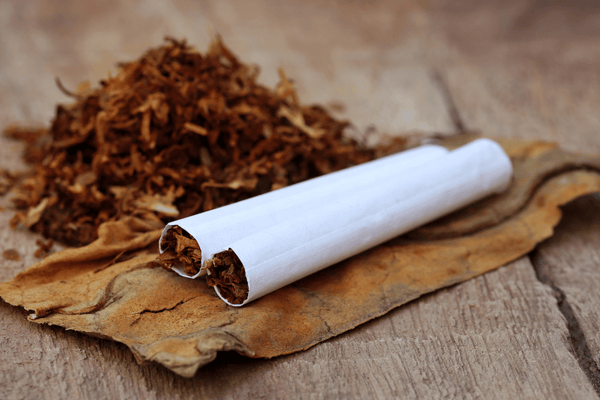
Traditional tobacco farming represents one of the most environmentally intensive agricultural practices globally. Tobacco cultivation requires substantial water resources, with estimates suggesting that producing a single cigarette consumes approximately 3.7 litres of water (1). This water usage occurs primarily during the growing phase, where tobacco plants demand consistent irrigation throughout their growing cycle. For every 15 packs of cigarettes produced, one tree is cut down due to tobacco farming, contributing significantly to deforestation and the environmental burden associated with tobacco production.
The manufacturing process for cigarettes involves multiple environmentally demanding stages. From curing tobacco leaves using energy-intensive heating systems to producing cigarette papers, filters, and packaging materials, the traditional cigarette supply chain generates significant carbon emissions. The World Health Organization estimates that the tobacco industry produces approximately 84 million tonnes of carbon dioxide equivalent emissions annually (2). Tobacco farming is responsible for five percent of global deforestation, with about 600 million trees cut down every year for tobacco production.
The use of harmful chemicals such as pesticides and fertilizers in tobacco farming and manufacturing further contributes to environmental damage and climate change, as these substances pollute ecosystems and persist in the environment. Despite these impacts, the tobacco industry and tobacco companies are not held accountable for the environmental damage caused by tobacco production and consumption. Implementing extended producer responsibility could incentivise these companies to address the environmental burden and cover the costs of tobacco product waste disposal.
In contrast, vaping devices require different manufacturing processes that typically involve electronics production and e-liquid manufacturing. While electronics manufacturing does carry environmental costs, particularly regarding rare earth mineral extraction and energy consumption during production, the overall environmental impact appears more contained than traditional tobacco agriculture and processing. However, tobacco product waste, including cigarette butts and e-cigarette components, poses a significant environmental burden with global health implications, highlighting the need for greater industry accountability and comprehensive waste management solutions.
Land Use and Deforestation
Tobacco cultivation contributes to significant land use changes and deforestation, particularly in developing countries. Approximately 4.3 million hectares of land worldwide are dedicated to tobacco farming (3), often replacing food crops or natural habitats. Additionally, tobacco curing processes frequently rely on wood fuel, contributing to further deforestation and carbon emissions.
Vaping products, while requiring raw materials for device construction and e-liquid ingredients, generally demand far less agricultural land and don't contribute to the same scale of deforestation associated with tobacco leaf curing and packaging production.
Waste Generation and Environmental Persistence
Perhaps the most visible environmental impact of smoking lies in cigarette waste generation. The vast majority of cigarette litter is made up of cigarette butts, which are a major source of plastic waste and negative environmental impact. Cigarette butts represent the most commonly littered item globally, with an estimated 4.5 trillion cigarette butts discarded annually worldwide (4). These filters, composed primarily of cellulose acetate plastic, persist in the environment for up to 15 years, releasing toxic chemicals as they slowly decompose.
The average consumer contributes significantly to post consumer waste and environmental pollution through the improperly discarded cigarette and e-cigarette products. The environmental persistence of cigarette waste extends beyond just filters. Cigarette packaging, including foil, cellophane, and cardboard components, adds to the waste stream, though these materials typically degrade more quickly than filters themselves.
Improperly discarded cigarette and e-cigarette waste pose a significant environmental threat, introducing hazardous chemicals and toxic waste into the environment. E-cigarette waste is potentially a more serious environmental threat than cigarette butts due to the introduction of plastic, nicotine salts, heavy metals, and flammable lithium-ion batteries. No part of a standard e-cigarette is biodegradable, and these devices break down into microplastics that contaminate waterways if improperly discarded. E-cigarette manufacturers often fail to provide consumers with guidance on proper disposal methods for their products, highlighting the need to hold the industry accountable for hazardous waste and chemical waste. This is why the legislation for the disposable vape ban in the UK obliges vape retailers to take on the burden of responsible recycling vape batteries and refills. (5)
E-Cigarette Waste
Vaping waste presents different challenges, primarily centred around electronic waste (e-waste) disposal and plastic components. E-cigarettes are classified as e-waste, which is the fastest-growing waste stream globally. Used vaping devices contain batteries and electronic components that require proper recycling to prevent environmental contamination. Many e-cigarettes, especially disposable models, use single-use plastic pods and plastic casings, which contribute to plastic pollution and toxic waste. E-cigarette waste also contains hazardous materials such as nicotine, heavy metals, and lithium-ion batteries, all of which can leach into the environment and are toxic to humans and harmful to animals.
This highlights the importance of proper waste management and recycling practices to address these issues. Some manufacturers are taking responsibility by offering take-back and recycling programs for cartridges, pods, and batteries, and refillable and rechargeable devices are becoming increasingly popular in the vaping industry. However, the overall volume of vaping waste appears significantly lower than traditional cigarette waste, particularly when considering reusable devices versus disposable options.
The Environmental Footprint of Disposable Vapes

The largest impact that the vaping industry has had on the environment is likely the advent of disposable vapes. These single-use devices utilise lithium ion batteries and an e-liquid reservoir in a sealed plastic unit, and once the e-liquid is depleted, the device is discarded. The issues this created are:
-
In 2024, approximately 5 million disposable E cigarettes were being thrown away each week in the UK, wasting 40 tonnes of lithium.
-
Improperly discarded disposable vapes pose a significant environmental threat, contributing to plastic pollution and plastic waste due to their non-biodegradable plastic components and hazardous chemicals.
-
Wasted lithium ion batteries that could instead be recycled, and that studies show could be recharged and discharged around 700 times. (6)
-
Improperly disposed lithium-ion batteries from vaping devices have caused fire and explosion risks in waste management facilities, with a 71% increase in battery fires and over 1,200 recorded incidents in the UK waste stream in 2024.
-
Sealed units make it harder to recycle effectively.
-
Large numbers of under 18’s were getting their hands on disposable vapes.
In response to these issues, new 2025 regulations in the UK require vape sellers to pay for the collection and disposal costs of their products. The UK government is also implementing a ban on disposable vapes starting in June 2025 to address the surge in e-waste and improve waste management practices.
Chemical Contamination
Discarded cigarette butts leach numerous toxic chemicals into soil and water systems, including nicotine, arsenic, lead, and various carcinogens. Marine environments suffer particular impact, as cigarette waste affects aquatic life and contributes to ocean pollution. Research indicates that cigarette butts can be lethal to fish and other marine organisms even in small quantities.
Vaping products, when properly disposed of, present lower risks of environmental chemical contamination. However, improper disposal of lithium batteries from vaping devices can contribute to heavy metal contamination in landfills and water systems.
Air Quality and Atmospheric Impact
The atmospheric impact of smoking versus vaping differs substantially in both scale and composition. Traditional cigarette smoke releases over 7,000 chemical compounds into the atmosphere, including numerous carcinogens and toxic substances. Beyond immediate air quality concerns, the carbon footprint associated with cigarette production, distribution, and consumption contributes significantly to greenhouse gas emissions.
When comparing vaping and smoking, it is important to consider their respective contributions to air pollution and the harmful effects of their emissions. Secondhand smoke from cigarettes affects indoor and outdoor air quality, contributing to environmental tobacco smoke pollution that can persist in enclosed spaces for extended periods—tobacco smoke contains thousands of chemicals that linger in the air for 30–45 minutes, significantly affecting air quality. This atmospheric contamination affects not only human health but also impacts vegetation and wildlife in areas with high smoking concentrations.
Vaping produces aerosol emissions that are significantly less complex than cigarette smoke, containing fewer chemical compounds and generally dissipating more quickly from the atmosphere. E-cigarette emissions contain ultrafine particles, nicotine, and volatile organic compounds (VOCs), which can affect indoor air quality and contribute to air pollution. Vaping aerosol particles return to background levels within 10–15 seconds, but can still elevate PM2.5 (particulate matter with a diameter of 2.5 micrometres or smaller), whereas tobacco smoke lingers much longer. Both types of emissions have harmful effects on air quality and public health, though the reduced chemical complexity and volume of vaping emissions suggest a lower atmospheric impact compared to traditional smoking.

Indoor Environmental Quality
The indoor environmental impact of smoking includes persistent odours, surface contamination, and reduced air quality that can affect building materials and furnishings over time. These impacts often require extensive cleaning and renovation to remediate, involving additional resource consumption and waste generation.
Vaping generally produces less persistent indoor environmental effects, though proper ventilation remains important for maintaining optimal indoor air quality.
Resource Consumption and Energy Usage
The resource consumption patterns of smoking versus vaping reveal important environmental distinctions. Traditional cigarette production involves extensive water usage throughout the agricultural and manufacturing phases, from irrigation of tobacco crops to processing and packaging operations. The energy requirements for tobacco curing, transportation of raw materials, and manufacturing processes contribute significantly to the overall environmental footprint.
Vaping devices require initial energy investment for electronics manufacturing and ongoing energy consumption for battery charging. However, the renewable nature of many vaping devices means that the per-use resource consumption can be significantly lower than single-use cigarettes, particularly for users who maintain their devices properly and use them for extended periods.
The packaging requirements also differ substantially. Cigarettes require continuous packaging for each pack and carton, while vaping devices may require packaging only upon initial purchase, with e-liquid refills typically requiring less packaging material per unit of product consumed.
Transportation and Distribution
The distribution networks for cigarettes involve continuous transportation of relatively heavy products with short shelf lives, contributing to transportation-related emissions. Vaping products, particularly devices designed for long-term use, may require less frequent transportation, potentially reducing transportation-related environmental impacts.
Lifecycle Assessment and Long-term Environmental Considerations
A comprehensive environmental comparison requires examining the complete lifecycle of both smoking and vaping products, considering the overall environmental toll and environmental burden each imposes on ecosystems, resources, and pollution levels. There is a need for more comprehensive assessments of the life-cycle environmental burden of E-Cigarettes, as current research is limited and the full impact is not well-studied. E-cigarettes are often marketed as a less harmful alternative or as healthier and eco-friendly options compared to conventional cigarettes, but their true environmental impact remains unclear and requires further investigation.
Traditional cigarettes represent a linear consumption model: raw materials are extracted, processed, consumed once, and disposed of, creating a continuous cycle of resource extraction and waste generation.
Vaping products can operate on a more circular model, particularly with refillable devices that can be used for extended periods. This reusability factor significantly alters the environmental equation, as the environmental cost of device manufacturing can be amortised over thousands of uses rather than single use.
However, the environmental benefits of vaping depend heavily on user behaviour and product choices. Adopting sustainable vaping practices—such as participating in recycling programs and proper waste management—can help reduce the environmental burden. Fostering a more sustainable vaping culture, with a focus on responsible disposal and eco-friendly innovations, is essential to minimise the environmental impact and promote sustainability within the vaping community. Disposable vaping products eliminate many environmental advantages, while proper maintenance and responsible disposal of reusable devices maximise environmental benefits.
Future Environmental Implications
As vaping technology continues evolving, manufacturers are increasingly focusing on environmental sustainability, developing more efficient devices, recyclable components, and reduced packaging. The tobacco industry, while making some environmental improvements, remains constrained by the fundamental environmental challenges of agricultural tobacco production and single-use product models.
The potential for improvement in vaping's environmental profile appears greater than for traditional cigarettes, as technological advances can address battery efficiency, device longevity, and recyclability more readily than the fundamental environmental challenges of tobacco agriculture and cigarette manufacturing.
Making Environmentally Conscious Choices
For individuals considering the environmental impact of their choices, several factors can help minimise ecological footprint regardless of which option they choose. For those who continue smoking, proper disposal of cigarette waste and supporting brands with environmental initiatives can help reduce impact. However, the fundamental environmental challenges of cigarette production and consumption remain difficult to address through individual actions alone.
For those choosing vaping alternatives, selecting high-quality, durable devices and maintaining them properly can significantly reduce environmental impact. Choosing refillable systems over disposable products, properly recycling electronic components, and supporting manufacturers with sustainable practices all contribute to better environmental outcomes.
Environmental Impact Of Vaping vs Smoking - Conclusion
The environmental impact of vaping vs smoking ultimately favours vaping when considering the complete lifecycle of both products. While neither option is entirely without environmental consequences, the reduced agricultural impact, lower waste generation, and decreased atmospheric emissions associated with vaping present a more environmentally sustainable alternative to traditional cigarettes.
As environmental awareness continues driving consumer choices, the tobacco and vaping industries will likely face increasing pressure to minimise their ecological footprints. For those seeking to reduce their environmental impact while addressing nicotine consumption, exploring high-quality vaping alternatives manufactured with environmental considerations represents a step toward more sustainable personal choices that align with broader environmental responsibility.
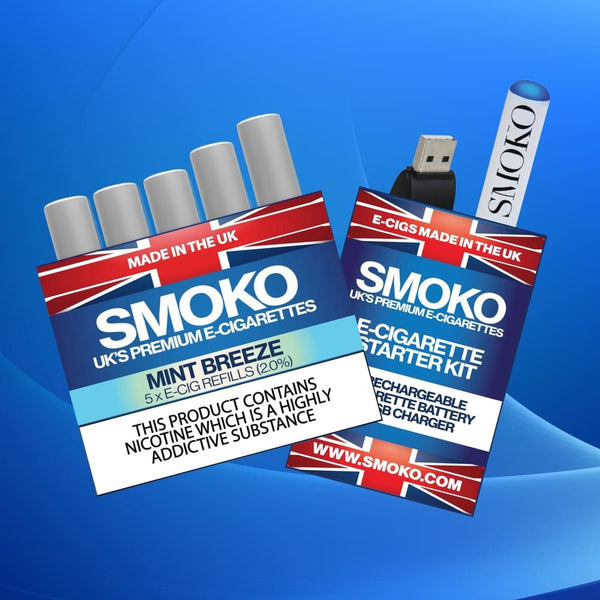
At SMOKO, our devices all use rechargeable batteries that provide months and months of vaping, while also utilising prefilled refills that can be recycled with us, for free! If you are a smoker looking for a hassle-free vaping experience, then check out the SMOKO E-Cigarette & Vape Starter Kit Deals and make the switch with our great-tasting, UK-made e-liquids today!
Frequently Asked Questions
Is vaping better for the environment than smoking?
Vaping generally produces less litter and pollution than smoking, especially when using refillable devices instead of disposable products.
Why are cigarette butts bad for the environment?
Cigarette filters are made of plastic and contain toxic chemicals that can take years to break down, harming wildlife and waterways.
Do disposable vapes harm the environment?
Yes, disposable vapes contain batteries and electronic components that can damage the environment if not recycled or disposed of correctly.
How can vapers reduce their environmental impact?
Using refillable devices, recycling batteries and pods, and avoiding disposable vapes can significantly lower environmental harm.
Are there eco-friendly vaping options?
Yes, refillable and rechargeable vape systems are considered more environmentally responsible compared to single-use products.
References
(1) The Tobacco Atlas: Tobacco and the Environment
(2) WHO raises alarm on tobacco industry environmental impact
(3) ASH: For an Earth Free of Tobacco Waste
(4) Toxicity of cigarette butts, and their chemical components, to marine and freshwater fish
(5) Guidance: Single-use vapes ban: information for businesses
(6) Study finds that vast amounts of waste are caused by single-use e-cigarette batteries
ABOUT THE AUTHOR
Written by Dan Overgage
Dan Overgage is a former smoker of 10 years until he became a client of SMOKO E-Cigarettes. Dan started working with SMOKO 5 years ago after successfully quitting using our e-cigarettes and works across our Customer Service and heads up our content creation and research with a strong focus on all things quitting smoking. During his tenure with SMOKO, Dan has written countless blogs and consults with countless clients every day to help them to stay smoke-free.
Last updated 23/12/2025