Table of Contents
- Key Takeaways
- Understanding Nicotine Addiction and Withdrawal
- Nicotine Replacement Therapy (NRT)
- Prescription Medications
- Behavioural and Psychological Support Methods
- Local Stop Smoking Service
- Cognitive Behavioural Therapy (CBT)
- Quitlines and Support Groups
- Mobile Apps and Digital Support
- Mindfulness and Meditation
- Alternative and Complementary Approaches
- Creating Your Personalised Quit Plan
- Quit Smoking Methods: Your Complete Guide To Breaking Free In 2026 - Conclusion
- FAQs: Quit Smoking Methods
- References
Key Takeaways
-
There’s no one-size-fits-all method — the most effective way to quit smoking depends on your habits, preferences, and level of nicotine dependence, whether that’s nicotine replacement, vaping alternatives, or going cold turkey.
-
Modern tools improve success rates — options like nicotine pouches, regulated vapes, and behavioural support apps make quitting more manageable in 2026 than ever before.
-
Support and consistency are key — combining the right method with ongoing support (coaching, community, or habit tracking) significantly increases your chances of quitting for good.
Quitting smoking remains one of the most challenging yet rewarding decisions you can make for your health. With smoking-related diseases claiming millions of lives worldwide each year (1), finding the right method to break free from nicotine addiction has never been more crucial. Fortunately, 2026 offers more proven quit smoking methods than ever before, each designed to address different aspects of nicotine dependency and personal preferences.
The journey to becoming smoke-free isn't one-size-fits-all. What works for your friend or family member might not be the best approach for you. Understanding the various methods available and their success rates can help you choose the most effective strategy for your unique situation and lifestyle.
Understanding Nicotine Addiction and Withdrawal
Before diving into specific quit methods, it’s essential to understand what you’re up against. Nicotine addiction operates on both physical and psychological levels. Physically, your body becomes dependent on regular nicotine doses, leading to nicotine withdrawal symptoms when you try to quit. These symptoms typically include irritability, anxiety, difficulty concentrating, increased appetite, and intense cravings.
Nicotine withdrawal symptoms usually begin within hours of your last cigarette. Psychologically, smoking becomes intertwined with daily routines, emotions, and social situations. Many smokers light up automatically during stress, after meals, while driving, or during social gatherings. Breaking these behavioural patterns requires just as much attention as addressing the physical addiction.
The good news is that withdrawal symptoms are temporary. Most physical symptoms peak within the first three days and significantly diminish within two weeks. However, psychological triggers can persist longer, which is why having a comprehensive quit plan is crucial for long-term success.
Nicotine Replacement Therapy (NRT)

Nicotine Replacement Therapy remains one of the most medically endorsed approaches to quitting smoking. NRT is available in different forms, including patches, gum, lozenges, and nasal spray, and can be purchased over the counter or by prescription. It helps reduce cravings and withdrawal symptoms by providing small, measured doses of nicotine into the bloodstream. The NHS strongly supports NRT methods, including patches, gums, lozenges, nasal sprays, and e-cigarettes (2), as effective tools for managing withdrawal symptoms while breaking the smoking habit. NRT provides nicotine without exposing users to the harmful chemicals found in tobacco smoke, making it a safer alternative for those looking to quit.
Nicotine Patches
Transdermal nicotine patches provide a steady, controlled release of nicotine through the skin over 16 or 24 hours. They're particularly effective for managing baseline cravings and work well for people who prefer a "set it and forget it" approach. However, they don't address the hand-to-mouth habit that many smokers struggle to break.
Nicotine Gum and Lozenges
Nicotine chewing gum and lozenges offer more flexible dosing, allowing users to manage sudden cravings as they arise. These methods also provide oral stimulation, which can help address some behavioural aspects of smoking. The key is using them correctly – chewing slowly and parking the gum between your cheek and gums for optimal absorption.
E-Cigarettes and Vapes
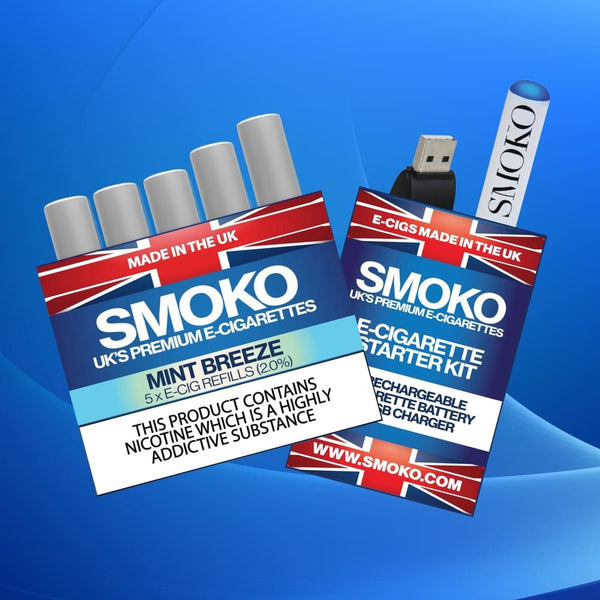
Electronic Cigarettes have emerged as particularly effective NRT tools because they address both the nicotine addiction and the behavioural habits associated with smoking. They mimic the hand-to-mouth action, provide throat hit sensation, and produce vapour that resembles smoke. UK-made products, like refills for your SMOKO device, offer quality assurance and compliance with strict safety standards, making them a reliable choice for those seeking a familiar smoking alternative. The evidence for E-Cigarettes as one of the most successful tools to quit has been demonstrated by Cochrane Library, conducting the largest study to-date and finding 'high-certainty' evidence that E-Cigarettes are more effective for quitting smoking than traditional forms of nicotine replacement therapy! (3)
The beauty of NRT is that you can often combine methods. Many successful quitters use a patch for baseline nicotine management while keeping gum or an e-cigarette handy for breakthrough cravings.
Prescription Medications
For some smokers, stop smoking medicines and prescription medicines provide the extra support needed to quit successfully. Two primary prescription medicines are approved for smoking cessation: varenicline (Champix) and bupropion (Zyban).
Varenicline works by blocking nicotine receptors in the brain, which makes smoking less pleasurable and helps reduce withdrawal symptoms. It also helps block the harmful effects of nicotine. It’s typically taken for 12 weeks, starting one week before your quit date. Clinical studies show varenicline can double or triple your chances of quitting compared to willpower alone.
Bupropion is an antidepressant that also helps reduce nicotine cravings and withdrawal symptoms. It’s particularly beneficial for people who are concerned about weight gain after quitting, as it can help suppress appetite. Like varenicline, it’s usually started before your quit date to build up therapeutic levels in your system. Bupropion also helps block the harmful effects of nicotine.
Both medications require a prescription and medical supervision. Your healthcare provider will evaluate your medical history, current medications, and individual risk factors to determine if prescription cessation aids are appropriate for your situation. There is clear evidence supporting the effectiveness of prescription medicines for quitting smoking, especially when compared to alternative or complementary methods.
Stopping smoking can lower your risk of heart attack, stroke, and chronic obstructive pulmonary disease (COPD), in addition to many other health benefits.
Behavioural and Psychological Support Methods
Addressing the psychological aspects of smoking addiction is crucial for long-term success. Expert support and specialist help, such as from trained stop smoking advisors or local clinics, can make a significant difference in your quit journey. Behavioural support can significantly improve quit rates when combined with other methods, and quitting is a process that benefits from ongoing support and strategies throughout. Remember, top tips and practical advice can help you overcome challenges and stay on track during your quit journey.
Local Stop Smoking Service
In the UK, your local authority will be able to point you towards local stop smoking services, which are often available in person at GP surgeries or pharmacies, providing support and help to quit smoking. In fact, using local stop smoking services can make you three times more likely to quit smoking compared to relying solely on willpower (4).
Cognitive Behavioural Therapy (CBT)
CBT helps identify and change thought patterns and behaviours associated with smoking. A therapist can help you recognise triggers, develop coping strategies, and build confidence in your ability to remain smoke-free. CBT techniques can be particularly effective for people who smoke in response to stress, emotions, or specific situations.
Quitlines and Support Groups

Telephone quitlines and other support groups provide ongoing encouragement and practical advice from trained counsellors and fellow quitters. The CDC emphasises the effectiveness of telephone quitlines, which offer free, confidential support and can increase your chances of quitting by up to 80%. In the UK, the Smokefree National Helpline can help provide you with advice and support from trained advisors. (5)
Mobile Apps and Digital Support
Technological developments have revolutionised smoking cessation support. Modern quit-smoking apps track your progress, calculate money saved, monitor health improvements, and provide 24/7 access to coping strategies and motivational content. Many apps also connect you with online communities of people going through similar experiences.
Mindfulness and Meditation
Meditation techniques help manage cravings and reduce stress without reaching for a cigarette. Regular meditation practice can increase your awareness of triggers and provide healthy coping mechanisms for dealing with difficult emotions or situations that previously prompted smoking.
Alternative and Complementary Approaches
While evidence varies, there is not always clear evidence supporting the effectiveness of alternative or complementary methods for quitting smoking. Several alternative methods have helped some people quit smoking successfully. These approaches often work best when combined with proven methods rather than used alone.
Acupuncture involves inserting thin needles into specific points on the body to reduce cravings and ease withdrawal symptoms. Some studies suggest acupuncture can be helpful, particularly for managing stress and anxiety associated with quitting. The treatment is generally safe when performed by licensed practitioners.
Hypnotherapy aims to change subconscious associations with smoking and strengthen motivation to quit. During sessions, a trained hypnotherapist guides you into a relaxed state and suggests new thought patterns around smoking. While research results are mixed, some people find hypnotherapy helpful as part of a comprehensive quit plan.
Gradual Reduction vs. Cold Turkey represents different philosophical approaches to quitting. Some people succeed by gradually reducing their cigarette consumption over weeks or months, while others prefer to stop completely on a chosen quit date. Research suggests that for most people, setting a quit date and stopping abruptly may be more effective than gradual reduction (6), though individual preferences and circumstances should guide this decision.
Exercise and Lifestyle Changes play supporting roles in successful quitting. Regular physical activity can reduce cravings, manage stress, and prevent weight gain. Even short walks during typical smoking times can help break behavioural patterns and improve mood through natural endorphin release.
Creating Your Personalised Quit Plan
The most successful quit attempts involve careful planning and often combine multiple approaches. Start by identifying your personal smoking triggers – times, places, emotions, or situations that typically prompt you to light up. Understanding these patterns helps you prepare alternative responses.
Consider your previous quit attempts, if any. What worked well? What challenges did you face? Use these insights to refine your approach. Many successful ex-smokers needed multiple attempts before achieving long-term success, so don’t view previous attempts as failures but as learning experiences.

Set a specific quit date within the next two weeks. This gives you time to prepare without losing motivation. Remove smoking paraphernalia from your environment, stock up on your chosen cessation aids, and inform supportive friends and family about your plan.
Prepare for challenges by identifying alternative activities for common smoking situations. If you typically smoke with coffee, plan to take your coffee break in a different location. If you smoke while driving, keep healthy snacks or a stress ball in your car. If social smoking is a challenge, practice politely declining cigarettes and plan smoke-free social activities. Visualise yourself as a non smoker to boost your motivation and reinforce your commitment to quitting. When cravings hit, remember the 5-Minute Rule: most cravings pass within a few minutes, so try distracting yourself with another activity until the urge fades.
Quit Smoking Methods: Your Complete Guide To Breaking Free In 2026 - Conclusion
Quitting smoking in 2026 offers more options and support than ever before. Whether you choose nicotine replacement therapy, prescription medications, behavioural support, or a combination of approaches, the key is finding methods that address both your physical addiction and psychological habits. Remember that quitting smoking is a process, not a single event. Be patient with yourself, celebrate small victories, and don't hesitate to seek professional support when needed.
The health benefits begin almost immediately – within 20 minutes, your heart rate and blood pressure drop; within 12 hours, carbon monoxide levels normalise; within weeks, circulation improves and lung function increases. Every day smoke-free is an investment in your future health, finances, and quality of life. With the right combination of methods and support, you can join the millions who have successfully broken free from smoking addiction.
If you are a smoker looking to quit, then check out the SMOKO E-Cigarette & Vape Starter Kit Deals and make the switch today for improved health and financial savings without the stress of going cold turkey!
FAQs: Quit Smoking Methods
What is the most effective way to quit smoking in 2026?
There’s no single “best” method—success depends on the individual. Many people find the highest success rates come from combining nicotine replacement (like patches or pouches) with behavioural support or switching to regulated vaping alternatives.
Is it better to quit smoking cold turkey or gradually?
Both approaches can work. Cold turkey suits people who prefer a clean break, while gradual reduction can feel more manageable for heavier smokers. The key is choosing a method you can stick with.
Are vapes a safer alternative to smoking?
While not risk-free, regulated vapes are widely considered less harmful than smoking because they don’t produce tar or carbon monoxide. They can be a useful tool for smokers looking to transition away from cigarettes.
How long does nicotine withdrawal last?
Physical withdrawal symptoms typically peak within the first few days and ease within 2–4 weeks. However, cravings and habits can last longer, which is why ongoing support is important.
What can help with cravings when quitting?
Nicotine replacements, distraction techniques, staying active, and using quit-smoking apps or support groups can all help manage cravings and prevent relapse.
How many attempts does it usually take to quit smoking?
It often takes several attempts to quit successfully. Each attempt helps you learn what works best for you, so persistence is key.
References
(1) WHO: Tobacco
(2) NHS: Using e-cigarettes to stop smoking
(4) Stop Smoking Services — a public health success
ABOUT THE AUTHOR
Written by Dan Overgage
Dan Overgage is a former smoker of 10 years until he became a client of SMOKO E-Cigarettes. Dan started working with SMOKO 5 years ago after successfully quitting using our e-cigarettes and works across our Customer Service and heads up our content creation and research with a strong focus on all things quitting smoking. During his tenure with SMOKO, Dan has written countless blogs and consults with countless clients every day to help them to stay smoke-free.
Last updated 22/04/2026