Table of Contents
- Key Takeaways
- The Quitting Timeline at a Glance
- The First 72 Hours: Understanding Nicotine Withdrawal Symptoms
- Weeks One to Four: Breaking Daily Habits After You Stop Smoking
- One to Six Months: How Your Body Recovers After Giving Up Smoking
- Six to Twelve Months: Staying Smoke Free on Your Quit Journey
- What Affects Your Timeline When Going Cold Turkey or Using Support?
- Building Your Quit Plan: Nicotine Replacement Therapy, Vaping and Support
- Conclusion
- Frequently Asked Questions
- References
Key Takeaways
-
The first 72 hours are usually the hardest when quitting smoking, with nicotine withdrawal symptoms gradually easing over the following two to four weeks.
-
Most smokers notice improvements within the first month, while psychological cravings and smoking habits can take three to six months or longer to overcome.
-
Nicotine replacement therapy, vaping and stop-smoking support(2) can help manage cravings, making it easier for adult smokers to quit cigarettes and stay smoke three days-free.
If you have just stubbed out your last cigarette, or you are still working up to that moment, the question on your mind is probably a simple one: how long is this going to take? The honest answer is that quitting smoking is not a single event with a fixed finish line. It is a process that unfolds in stages, and the timeline looks different for everyone. Some people feel noticeably better within days, while the psychological pull of nicotine can linger for weeks or months.

Understanding what happens and when can make the journey far less daunting. This guide breaks down the timeline of quitting smoking, from the first 24 hours to the year mark and beyond, and explains what you can realistically expect at each stage.
The Quitting Timeline at a Glance
Most health guidance describes quitting in terms of milestones rather than one final date. Here is a broad overview of how the process tends to unfold:
-
First 24–72 hours: The most intense physical withdrawal symptoms, including cravings, irritability and restlessness.
-
First 2–4 weeks: Physical withdrawal gradually eases, though cravings still appear, often triggered by habits and routines.
-
1–3 months: Lung function improves, circulation settles, and cravings become less frequent and easier to ride out.
-
3–6 months: Psychological dependence fades for many people, and new routines replace smoking habits.
-
12 months and beyond: The risk of slipping back drops significantly, and most former smokers feel in control.
Many people describe themselves as "quit" once they have gone several weeks without a cigarette and no longer feel controlled by cravings. However, staying smoke-free over the longer term is where the real victory lies. For most people, the first two to four weeks are the hardest, and things genuinely get easier after that.
The First 72 Hours: Understanding Nicotine Withdrawal Symptoms
The first three days(1) are usually the most challenging. Nicotine leaves the body relatively quickly, and as levels drop, the brain responds with cravings, irritability, anxiety, poor concentration and disturbed sleep. This is the physical peak of withdrawal, and it is important to know that it is temporary.
Within this window, the body begins to repair itself. Carbon monoxide levels in the blood fall and oxygen circulation improves, which many people notice as clearer thinking or easier breathing. Heart rate and blood pressure(4) start to move toward normal. Knowing that these changes are already happening can be a powerful motivator during the toughest hours.
Weeks One to Four: Breaking Daily Habits After You Stop Smoking
Once the physical withdrawal peaks, the second phase begins. Cravings become less constant but are often triggered by routine: the morning coffee, the drive to work, a break at the office, a drink with friends. These are learned associations, so it helps to avoid triggers where you can while you work on unlearning them.

During this period, many people find it helpful to:
-
Identify trigger situations in advance, making plans for how you will respond.
-
Change daily routines slightly, such as drinking tea instead of coffee or taking a different route on a walk.
-
Keep hands and mouth busy with chewing gum, water or a nicotine replacement option.
-
Tell friends and family so they can support rather than tempt.
Previous quit attempts often help people build better strategies for future attempts.
By the end of the first month, most people report that cravings are shorter and less overwhelming. They still occur, but they feel more manageable, and after 28 days smoke-free, you're about 5 times more likely to stay quit.
One to Six Months: How Your Body Recovers After Giving Up Smoking
This is often the most encouraging stage. Lung function continues to improve, coughing and shortness of breath reduce, and senses of taste and smell become sharper. Energy levels usually rise, and many former smokers notice improvements in skin and general fitness.
Psychologically, this is the period when smoking starts to feel less like a part of your identity. If you have replaced cigarettes with an alternative such as a vape, you may find that the routine itself becomes less central to your day. The key during these months is to stay alert to high-risk situations, such as stress, celebrations or holidays, when old habits can resurface.
Six to Twelve Months: Staying Smoke Free on Your Quit Journey
By six months, many people describe themselves as non-smokers rather than ex-smokers. Cravings are infrequent, and when they appear, they pass quickly. This is the stage where confidence grows, but it is also where complacency can creep in. A single cigarette "just to see" can reopen the door, so stay focused on your reasons for quitting and keep them close at hand.
As the year mark approaches, the risk of relapse continues to fall. Most people who make it to twelve months smoke-free go on to stay that way, particularly if they have built new routines and coping strategies to replace smoking. Over the longer term, the risk of dying from lung cancer(3) drops to about half that of a smoker after 10 years.
What Affects Your Timeline When Going Cold Turkey or Using Support?
There is no universal timeline because several factors influence the process:
-
How long and how much you smoked: How many cigarettes you smoked each day, along with how long you smoked, affects the severity of withdrawal.
-
Your method: Going cold turkey(5), using nicotine replacement therapy, or switching to a vape(6) can each produce different experiences, but going cold turkey has a low success rate of around 3% compared with supported approaches. Combination approaches often ease the transition.
-
Your support network: People with friends, family, expert advice or stop-smoking support behind them tend to stay smoke-free more easily.
-
Stress and lifestyle: High-stress periods can make cravings harder to manage.
-
Your mindset: Treating quitting as a process rather than a single moment makes setbacks less likely to derail you.
One important point: a lapse is not a failure. Many successful quitters have had one or more slips before quitting for good. What matters is getting back on track quickly rather than abandoning the effort, especially because the smoking habit itself can keep cravings going even after the physical withdrawal starts to ease.
Building Your Quit Plan: Nicotine Replacement Therapy, Vaping and Support
While there is no magic shortcut, the right support can make the process smoother and reduce the time spent battling cravings. In smoking cessation, nicotine replacement therapy products include nicotine gum, patches and lozenges. NRT therapy typically lasts 8–12 weeks, giving people a way to gradually reduce their nicotine intake over time. Some services also offer nasal sprays. After you stop, nicotine receptors in the brain can still expect nicotine for a while, which is one reason cravings can feel intense. Withdrawal can also bring physical symptoms and changes in mood during the early stages.

At SMOKO E-Cigarettes and Vapes, we have spent over 12 years helping UK smokers move away from cigarettes. All of our products are made in the UK, and across that time we have prevented more than 850 million cigarettes from being smoked, while our customers have saved over £510 million that would otherwise have gone up in smoke. For many people, a vape provides a familiar hand-to-mouth routine with a controlled level of nicotine, which can be reduced nicotine slowly over time rather than stopping abruptly.
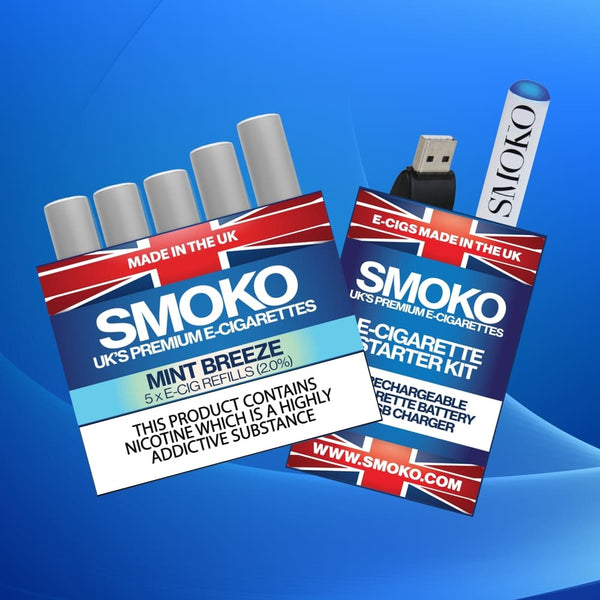
A healthcare provider can help you choose the most suitable treatment and improve your chances of being able to quit for good. If you are exploring alternatives, it is worth looking at a UK-made e-cigarette starter kit or browsing the full range of vapes to find an option that suits your habits. The goal is always the same: to leave cigarettes behind for good.
Conclusion
So, how long does it take to quit smoking? Physically, the worst of withdrawal is usually over within a week, and most people feel significantly better within a month. Psychologically, the process can take three to six months, and staying smoke-free for a full year puts you in the strongest position for the long term. In practice, many people consider themselves successfully quit once they have gone several weeks without a cigarette and no longer feel ruled by cravings.
The most useful mindset is to treat quitting as a journey with clear milestones rather than a single deadline. Expect the first few days to be tough, plan for triggers in the early weeks, and give yourself credit as your body and habits adjust. With the right tools and support, the timeline becomes a clearer path toward a healthier smoke-free life, and the rewards, from better breathing to the financial benefits of having more money in your pocket, start arriving almost immediately.
Frequently Asked Questions
How long does it take to quit smoking completely?
Most people experience the worst nicotine withdrawal symptoms during the first few days, with physical symptoms generally easing within two to four weeks. Psychological cravings and smoking habits can take several months to overcome, although the timeline varies from person to person.
What are the hardest days when you quit smoking?
The first 72 hours are often the most challenging because nicotine levels fall rapidly, triggering cravings, irritability, anxiety and difficulty concentrating. These symptoms usually peak during the first three days before gradually improving.
How long do nicotine cravings last after quitting smoking?
Nicotine cravings are typically strongest during the first week and become less frequent over the following weeks. Occasional cravings triggered by stress, routines or social situations can continue for several months, but they usually become easier to manage.
Is it better to quit smoking cold turkey or gradually?
Both approaches can work, but using nicotine replacement therapy, vaping or professional stop-smoking support can make managing cravings easier. The best approach depends on your smoking habits, nicotine dependence and personal preferences.
Can vaping help during the quit-smoking journey?
Yes. Nicotine vapes and e-cigarettes can help adult smokers manage cravings while maintaining a familiar hand-to-mouth routine. Switching completely from cigarettes to vaping avoids tobacco combustion, and users can gradually reduce their nicotine strength when they feel ready.
References
(1) Nicotine Withdrawal Symptoms and How Long They Last | NHS
(2) Stop Smoking Support and Quitting Advice | GOV.UK
(3) Quitting Smoking and Reducing Cancer Risk | Cancer Research UK
(4) Benefits of Quitting Smoking for Heart Health | BHF
(5) Health Matters: Stopping Smoking – What Works? | NHS
(6) Vaping and Smoking Cessation: Evidence Review | RCP
ABOUT THE AUTHOR
Written by Mike Cameron
Mike Cameron is a former smoker of 15 years (2 packs a day) until he successfully quit using a cigalike. Mike is the Co-Founder and CEO of SMOKO E-Cigarettes and over the last 13+ years, SMOKO has prevented 850M+ cigarettes from being smoked, helped their customers save £510M+ of their hard-earned money from going up in smoke and helped 10,000’s of adult smokers in 25+ countries to live smoke-free.
Last updated 22/10/2026