Table of Contents
- Key Takeaways
- Understanding E-Liquid Nicotine Strength and Nicotine Levels
- Matching Your E-Liquid Strength to Your Smoking Habits
- Device Type, Mouth-to-Lung (MTL) Vaping and Freebase Nicotine
- Signs Your E-Liquid Nicotine Strength Is Too High or Too Low
- Gradually Reducing Nicotine Levels After Quitting Smoking
- How Throat Hit, Vape Juice and Personal Factors Affect Nicotine Strength
- Conclusion: How to Choose the Right Nicotine Strength: Final Thought
- Frequently Asked Questions
- References
Key Takeaways
-
Choose a nicotine strength that matches your previous smoking habits, with heavier smokers generally needing higher strengths to control cigarette cravings.
-
Your vape device affects which nicotine strength works best, with cigarette-style and pod systems typically pairing with higher strengths for a familiar mouth-to-lung experience.
-
The right nicotine level is the one that keeps you satisfied and away from cigarettes—you can gradually reduce your strength once you are comfortably smoke-free.
Selecting the appropriate nicotine strength is one of the most critical decisions you'll make when transitioning from traditional cigarettes to e-cigarettes or vapes(3). Get it right, and you'll enjoy a satisfying experience that helps you stay away from combustible tobacco. Get it wrong, and you might find yourself either craving more or feeling overwhelmed. As of 2026, with over a decade of experience at SMOKO E-Cigarettes and Vapes, we've helped countless smokers make this transition successfully, preventing over 850 million cigarettes from being smoked in the UK.
This comprehensive guide will walk you through everything you need to know about choosing your ideal nicotine strength, from understanding the numbers on the bottle to matching your selection with your smoking history.
Understanding E-Liquid Nicotine Strength and Nicotine Levels
Nicotine strength in e-liquids is measured in milligrams per millilitre (mg/ml) or as a percentage. When you see a bottle labelled "18mg" or "1.8%," these refer to the same concentration—18 milligrams of nicotine per millilitre of e-liquid, and an average cigarette contains around 10-12mg of nicotine to help frame that nicotine content. E-liquids come in two nicotine types: freebase nicotine and nicotine salts. In the UK, regulations currently cap nicotine strength at 20mg/ml for products sold in standard 10ml bottles.

The most common nicotine strengths available in 2026 include:
-
0mg (0%): No nicotine, purely flavour
-
3mg (0.3%): Very low strength
-
6mg (0.6%): Low strength
-
11mg (1.1%): Medium strength
-
18mg (1.8%): High strength
It's important to note that freebase nicotine is the traditional form used in most e-liquids and can create a noticeable throat hit at higher strengths. By contrast, salt nicotine absorbs more quickly and feels smoother at higher strengths, so a 20mg e-liquid in a pod system may feel different from 20mg freebase nicotine in a traditional vape device.
Matching Your E-Liquid Strength to Your Smoking Habits
Your current or former smoking habits are a good starting point for choosing your nicotine strength(1), with cigarettes a day giving the clearest guide to how much nicotine you'll likely need to feel satisfied.
Heavy Smokers (20+ cigarettes per day): If you're smoking a pack or more daily, heavy smokers should start with 18-20mg nicotine strength. Your body is accustomed to regular, substantial nicotine intake, and starting too low will likely leave you unsatisfied and reaching for cigarettes again.
Moderate Smokers (10-20 cigarettes per day): For average smokers having between half a pack and a full pack daily, 10-12mg is usually the right range. Some may prefer slightly more or less nicotine as they adjust to vaping.

Light Smokers (5-10 cigarettes per day): If you're a light smoker, consider starting with 3-6mg nicotine strength. In practice, 3mg is often ideal for people smoking 1-5 cigarettes daily, while 6mg can also suit light to moderate smokers.
Occasional Smokers (Less than 5 cigarettes per day): For social or very occasional smokers, a 3-6mg strength should be sufficient. Some may even prefer 0mg, a nicotine free e-liquid option for social vapers with minimal nicotine dependence.
Device Type, Mouth-to-Lung (MTL) Vaping and Freebase Nicotine
The type of e-cigarette or vape device you choose significantly impacts how nicotine is delivered and, therefore, which strength you should select. Understanding this relationship is crucial for a satisfying experience.
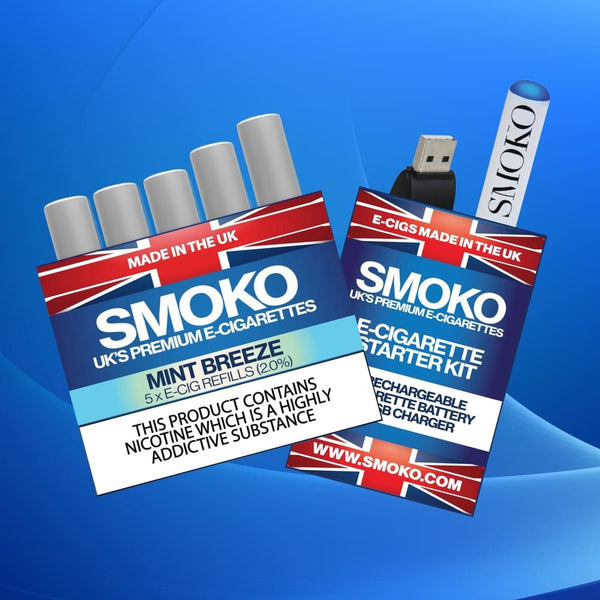
Cigarette-Style and Pod Systems: These devices, like SMOKO's UK-made e-cigarettes, are designed to mimic traditional smoking closely. They typically use higher nicotine strengths (11-20mg) because they produce less vapour and deliver nicotine more efficiently through mouth-to-lung inhalation. Low-power pod kits produce smaller clouds and usually work best with 10mg to 20mg strengths. nicotine salt e liquids are especially well suited to pod systems and other low-power vaping devices because they stay smooth at higher strengths. This makes them ideal for recent quitters who want a familiar experience. Smokers who prefer a simple mouth-to-lung device can consider a SMOKO Vape Pod Starter Kit.
Vape Pens and Moderate Power Devices: Mid-range devices that produce moderate vapour clouds usually work best with 6-11mg nicotine strengths. The increased vapour production means more nicotine delivery per puff, so you need less concentration in the e-liquid itself.
High-Power Sub-Ohm Devices: These devices produce large vapour clouds and are typically used with very low nicotine strengths (0-6mg). They are also commonly used for direct to lung vaping, which generally pairs with lower nicotine and larger vapour production. The massive vapour volume delivers substantial nicotine even at lower concentrations, and high nicotine in these devices can cause a harsh throat hit, so a 3mg to 6mg vape juice strength is usually the better range.
SMOKO's UK-manufactured products are specifically designed to deliver optimal nicotine satisfaction at the appropriate strengths for smokers making the switch, ensuring you get the experience you need without the complexity of adjusting power settings or coil resistances.
Signs Your E-Liquid Nicotine Strength Is Too High or Too Low
Your body will tell you if you've chosen the wrong nicotine strength. Learning to recognise these signs helps you adjust quickly and find your ideal level. In general, higher nicotine strength increases throat hit intensity.
Signs Your Nicotine Strength is Too High:
-
Headaches or dizziness shortly after vaping
-
Nausea or upset stomach
-
Racing heartbeat or feeling jittery
-
A harsh throat hit that makes you cough, or a harsh throat sensation after each puff
-
Feeling satisfied after just one or two puffs
If you experience these symptoms, drop down to the next lowest strength available. The adjustment period is usually immediate—you should feel better within a day of switching. If you still want strong satisfaction with a milder throat hit, nic salts or SMOKO SMOOTH VAPE POD REFILLS can offer a smoother throat hit than high-strength freebase nicotine, which often feels rougher at higher levels.
Signs Your Nicotine Strength is Too Low:
-
Constantly vaping but never feeling satisfied
-
Strong cravings for traditional cigarettes
-
Vaping significantly more frequently than you smoked
-
Feeling irritable or experiencing withdrawal symptoms
-
Finding yourself chain-vaping throughout the day
If these describe your experience, increase to the next higher nicotine strength. Don't feel discouraged—finding the right level is a process, and there's no shame in needing more nicotine to stay away from combustible tobacco.
Gradually Reducing Nicotine Levels After Quitting Smoking
Many people who switch to e-cigarettes eventually choose to reduce their nicotine intake(4), and vaping makes this easier than with traditional cigarettes. However, there's no rush—your primary goal should be staying away from tobacco cigarettes(6).
When you're ready to step down, do so gradually. Move from 20mg to 18mg, then to 11mg after several weeks or months. Give yourself time to adjust at each level before reducing further, and some people also switch nicotine types as part of that vaping journey. Some people eventually reach 0mg nicotine, while others find their comfortable maintenance level at 3mg or 6mg—both outcomes are perfectly valid and often come down to personal preference. Consulting healthcare professionals can provide personalised guidance on nicotine strength and type, especially if symptoms or dependence concerns make self-adjustment difficult.

The key is stability. If reducing your nicotine strength makes you irritable or causes you to consider smoking again, you've gone too low too quickly. Step back up and give yourself more time. Over the past 12 years, SMOKO customers have saved over £510 million by switching from cigarettes—don't jeopardise your success by rushing the reduction process.
How Throat Hit, Vape Juice and Personal Factors Affect Nicotine Strength
Beyond smoking history, device type, and vaping style, several personal factors can influence your ideal nicotine strength choice.
Body Weight and Metabolism: Body mass is one of several factors that can influence nicotine sensitivity and absorption, alongside metabolism and individual tolerance, so some people may need slightly higher strengths to maintain satisfaction throughout the day.
Vaping Frequency: If you're vaping constantly throughout the day, that can be a sign your strength is too low. If you vape only occasionally during breaks, a higher strength ensures you get adequate nicotine in those shorter sessions.
Throat Hit Preference: Nicotine contributes to the throat hit sensation that many ex-smokers find satisfying. Some users prefer a milder throat hit, while others want more intensity depending on personal preference and the overall vaping experience, so you might prefer a slightly higher nicotine strength even if a lower one provides sufficient nicotine.
Time Since Last Cigarette: Recent quitters typically need higher strengths initially to help manage nicotine cravings. As time passes and your body adjusts to the cleaner nicotine delivery of vaping, you may find you can reduce your strength while maintaining satisfaction.
Conclusion: How to Choose the Right Nicotine Strength: Final Thought
Choosing the right nicotine strength is a personal journey that depends on your smoking history, device choice, and individual physiology. Start with a strength that matches your cigarette consumption, pay attention to how your body responds, and don't hesitate to adjust up or down as needed. Remember that SMOKO's UK-made products are specifically designed to deliver satisfying nicotine at the appropriate levels for smokers making the switch(5).
The most important metric isn't finding the lowest nicotine strength possible—it's finding the strength that keeps you away from traditional cigarettes. Whether that's 20mg or 6mg, success means staying smoke-free. As of 2026, with proven experience helping UK smokers transition successfully, SMOKO continues to provide reliable, consistent nicotine delivery in products made right here in the UK.
Take your time, listen to your body, and adjust as necessary. The right nicotine strength is the one that works for you, keeping you satisfied and smoke-free for the long term.
Frequently Asked Questions
What nicotine strength should I choose for my e-liquid?
Your ideal nicotine strength depends mainly on how much you previously smoked and the type of vape you use, so finding the best nicotine strength often comes down to both smoking history and device choice, and new vapers may need to adjust after trying their first strength. Heavier smokers will generally need a higher strength to control cravings, while lighter or occasional smokers may be comfortable with lower nicotine levels.
Is 20mg nicotine strong?
Yes. A strength of 20mg/ml (2%) is considered high-strength e-liquid and is the maximum nicotine concentration permitted for nicotine-containing e-liquids under current UK vaping regulations. It is commonly suited to smokers with stronger nicotine dependence using lower-powered devices.
What is the difference between 10mg and 20mg nicotine?
A 20mg/ml e-liquid contains twice the nicotine concentration of a 10mg/ml e-liquid. This means 20mg/ml provides more nicotine per millilitre and may be better suited to adult smokers with stronger nicotine cravings, while 10mg/ml may suit those who previously smoked less or are gradually reducing their nicotine intake. However, the amount of nicotine you actually absorb when vaping depends on factors such as your device, how frequently you vape and your puffing style. In the UK, 20mg/ml (2%) is the maximum permitted nicotine concentration for regulated nicotine-containing e-liquids.
How do I know if my nicotine strength is too high?
Possible signs include dizziness, nausea, headaches or feeling jittery after vaping. If you experience unpleasant symptoms, stop vaping until they resolve and consider using a lower nicotine strength.
Should I reduce my nicotine strength over time?
You can gradually reduce your nicotine strength once you are comfortably smoke-free, but there is no need to rush. The priority for someone switching from cigarettes is choosing a nicotine level that adequately controls cravings and helps prevent a return to smoking, though nicotine free e liquids are also an option for people who no longer want nicotine but still want the habit or flavour.
References
(1) Choosing the Right Nicotine Strength When Vaping to Quit Smoking | NHS
(2) UK E-Cigarette Regulations: Nicotine Strength and E-Liquid Limits | MHRA
(3) UK Disposable Vape Ban | BBC News
(4) Vaping, Nicotine and Heart Health | British Heart Foundation
(5) E-Cigarettes, Nicotine and Tobacco Harm Reduction | Royal College of Physicians
(6) Vaping, E-Cigarettes and Smoking: What You Need to Know | Cancer Research UK
ABOUT THE AUTHOR
Written by Mike Cameron
Mike Cameron is a former smoker of 15 years (2 packs a day) until he successfully quit using a cigalike. Mike is the Co-Founder and CEO of SMOKO E-Cigarettes and over the last 13+ years, SMOKO has prevented 850M+ cigarettes from being smoked, helped their customers save £510M+ of their hard-earned money from going up in smoke and helped 10,000’s of adult smokers in 25+ countries to live smoke-free.
Last updated 11/09/2026