Table of Contents
- Key Takeaways
- The Science Behind Vaping vs. Smoking
- Health Risks: Comparing Cigarettes and E-Cigarettes - Are Electronic Cigarettes Less Harmful than Smoking?
- Public Health, Regulatory Oversight and Quality Standards
- Effectiveness as a Smoking Cessation Tool
- Environmental and Economic Considerations
- Making an Informed Decision
- Are Vapes Safer Than Cigarettes - Conclusion
- Frequently Asked Questions
- Are vapes completely safe?
- Is vaping safer than smoking cigarettes?
- Can vaping help you quit smoking?
- Does vaping contain nicotine?
- What makes cigarettes more harmful than vapes?
- References
Key Takeaways
-
While no vape is completely risk-free, E-Cigarettes are generally considered less harmful than traditional cigarettes because they don’t burn tobacco or produce tar and carbon monoxide.
-
Switching from smoking to vaping may reduce exposure to many toxic chemicals linked to smoking-related diseases, making vaping a popular harm reduction option for adult smokers.
-
The safest choice is to quit nicotine altogether, but for smokers who struggle to stop, regulated vaping products can be a less harmful alternative to combustible cigarettes.
As millions of smokers worldwide seek alternatives to traditional cigarettes, the question of whether vapes are safer than cigarettes has become increasingly important. While no smoking product is completely risk-free, mounting scientific evidence suggests that E-Cigarettes present significantly lower health risks compared to conventional tobacco cigarettes. Understanding the differences between these products is crucial for making informed decisions about smoking cessation and harm reduction.
The Science Behind Vaping vs. Smoking
The fundamental difference between vaping and smoking lies in how each product delivers nicotine. Traditional cigarettes burn tobacco at temperatures exceeding 600°C, creating combustion that produces over 7,000 chemicals, including at least 70 known carcinogens such as tar, carbon monoxide, and formaldehyde. This combustion process is responsible for the majority of smoking-related health risks.

E-cigarettes, in contrast, heat e-liquid (also called vape juice) at much lower temperatures (typically 200-250°C) to create a vapor rather than smoke. These liquids typically contain nicotine, propylene glycol, vegetable glycerine, and flavourings. This process, called vaporisation, avoids combustion entirely. Most e-cigarettes contain nicotine, which is an addictive substance. While e-cigarettes do contain some chemicals, the NHS states that vaping is around 95% less harmful than smoking traditional cigarettes. (1)
Key differences include:
-
No tar production in e-cigarettes
-
Significantly fewer toxic chemicals
-
No carbon monoxide emission
-
Absence of many cancer-causing compounds found in tobacco smoke
However, e-cigarette aerosol can contain ultrafine particles and heavy metals shed from internal heating coils—these are potentially harmful substances. The composition of the liquids used in vaping devices can vary and may include chemicals of concern, so the safety of e-cigarettes is not absolute. Inclusion of flavourings such as diacetyl are a cause for concern, but chemicals known to be harmful when inhaled are banned as an ingredient in UK-made e-liquids - and that includes diacetyl, and vitamin E acetate.
Health Risks: Comparing Cigarettes and E-Cigarettes - Are Electronic Cigarettes Less Harmful than Smoking?
Traditional cigarettes are linked to numerous serious health conditions, including lung cancer, heart disease, stroke, chronic obstructive pulmonary disease (COPD), and numerous other cancers (2). The World Health Organization estimates that tobacco use kills more than 8 million people annually worldwide.
Nicotine is the primary addictive substance in both traditional cigarettes and e-cigarettes, and can lead to cravings and withdrawal symptoms. Nicotine is a highly addictive substance—research indicates that nicotine addiction can be as severe as addiction to heroin and cocaine (3). Many e-cigarette users may obtain higher levels of nicotine than from traditional cigarettes, especially with high nicotine concentrations.
While long-term studies on e-cigarettes are still ongoing due to their relatively recent introduction, current research suggests significantly reduced health risks compared to smoking. However, vaping is not without potential concerns:
Potential e-cigarette risks include:
-
Nicotine addiction and dependency (nicotine is a highly addictive substance)
-
Withdrawal symptoms, such as cravings, inability to stop using nicotine, and developing a tolerance
-
Possible respiratory irritation from certain flavouring compounds
-
Unknown long-term effects due to limited research duration
-
Quality control issues with unregulated products
Signs of nicotine addiction include cravings, inability to stop using nicotine, and developing a tolerance, which can negatively impact personal relationships and performance in various activities. Nicotine concentrations in vapes can worsen chemical dependency and impact adolescent brain development. (4)
Emerging data suggests links between vaping and chronic lung disease, asthma, and cardiovascular disease, particularly among young users. Vaping can still increase heart disease risks by reducing blood flow, increasing blood pressure, and narrowing arteries. There are also concerns about the effects of vaping on lung health, including the potential to cause lung disease and other respiratory illnesses.

The long-term health impacts of vaping remain unknown, with decades of data validating the dangers of smoking. More research is needed to fully understand the long-term health effects of vaping, especially among young adults and pregnant women.
However, these risks pale in comparison to smoking-related health issues:
-
Lung cancer and other respiratory cancers
-
Heart disease and stroke
-
Chronic bronchitis and emphysema
-
Reduced immune function
-
Premature aging and reduced life expectancy
Public Health, Regulatory Oversight and Quality Standards
The safety of e-cigarettes largely depends on product quality and manufacturing standards. In the UK, e-cigarettes are regulated under the Tobacco and Related Products Regulations (TRPR), which sets strict standards for:
-
Maximum nicotine concentrations (20mg/ml)
-
Tank capacity limits (2ml maximum)
-
Ingredient disclosure requirements
-
Safety and quality testing protocols
-
Child-resistant packaging
UK-manufactured e-cigarettes must comply with these stringent regulations, ensuring consistent quality and safety standards. It is important to purchase vaping products from a reputable retailer to guarantee compliance with UK safety and quality requirements. Regulatory oversight also extends to other tobacco products, not just e-cigarettes, as part of broader disease control efforts to protect public health. The CDC recommends buying e-cigarettes only from reputable sources to reduce health risks and prevent exposure to potentially harmful chemicals.
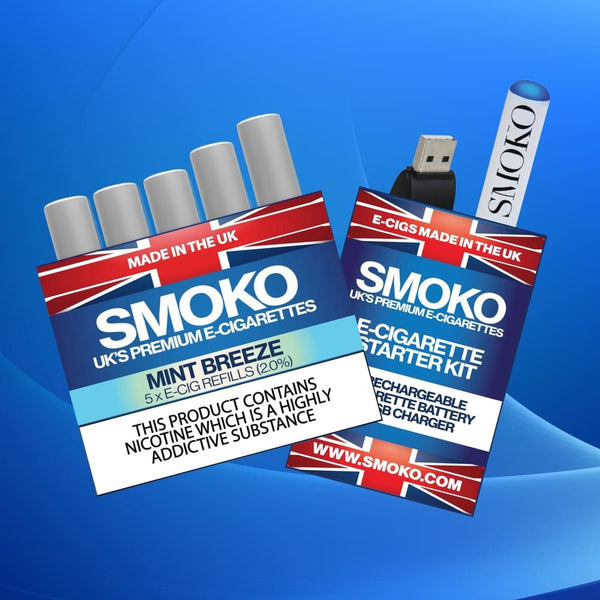
SMOKO E-Cigarettes exemplifies this commitment to quality, with e-liquids manufactured in the UK under strict regulatory compliance, helping prevent over 850 million cigarettes from being smoked while saving customers more than £510 million.
Effectiveness as a Smoking Cessation Tool
Beyond safety considerations, E-Cigarettes have proven effective as smoking cessation aids. Cancer Research UK acknowledges that e-cigarettes can help people quit smoking (5), and evidence shows that e-cigarettes can be effective tools for smoking cessation. Vape pens and other vaping devices are commonly used as alternatives to regular cigarettes for those seeking to quit. Almost two-thirds of people who use a vape along with support from a local Stop Smoking Service successfully quit smoking.
Advantages of e-cigarettes for quitting smoking:
-
Provides controllable nicotine delivery
-
Eliminates harmful combustion products immediately
-
Offers various flavours to reduce cigarette cravings
-
Allows gradual nicotine reduction
E-cigarette users can use e-cigarettes to control cravings and withdrawal symptoms, and research indicates that e-cigarettes are approximately twice as effective as other nicotine replacement products when combined with behavioural support (6), making them a valuable tool in comprehensive smoking cessation programs.
Environmental and Economic Considerations
The safety comparison extends beyond personal health to environmental and economic impacts. Traditional cigarettes generate significant environmental waste through cigarette butts, which contain non-biodegradable filters that persist in the environment for years. Additionally, cigarette production requires extensive agricultural resources and contributes to deforestation.
Vape products, including single-use disposables, are classified as Waste Electrical and Electronic Equipment (WEEE) and should not be disposed of in general waste. If vapes are thrown in the bin, their batteries can become damaged and potentially cause fires in refuse vehicles or at waste management sites (7). Improper disposal of vapes can also release heavy metals and other pollutants into the environment over time. Vapes can be recycled at the shop where replacements are purchased or at local authority household waste recycling centres, with additional collection points being established regularly. E-cigarettes, while not environmentally neutral, generally produce less waste when used responsibly. Refillable devices and proper battery recycling can minimise environmental impact.

Economically, the cost difference is substantial—regular smokers can save thousands of pounds annually by switching to e-cigarettes.
Economic benefits include:
-
Lower daily usage costs
-
Reduced healthcare expenses
-
Decreased insurance premiums
-
Improved productivity due to better health
Making an Informed Decision
When considering whether vapes are safer than cigarettes, it’s essential to understand that the question isn’t whether vaping is completely safe, but whether it presents significantly lower risks than smoking. Current evidence strongly suggests that e-cigarettes are substantially less harmful than traditional cigarettes for adult smokers. However, both cigarette use and vaping have significant public health impacts, especially among young people.
E-cigarette use has risen sharply among young adults and high school students, with more than 2 million U.S. middle and high school students reporting use in 2021. Over 80% of these students used flavoured e-cigarettes, and nicotine poses unique dangers to youth because their brains are still developing, potentially leading to long-term cognitive and behavioural issues. Vaping products are often marketed to a new generation of users, raising concerns about youth initiation, nicotine addiction, and long-term health risks.
For non-smokers, particularly young people, the safest option remains avoiding all nicotine products. E-cigarettes should be viewed primarily as a harm reduction tool for existing smokers rather than a recreational product for non-smokers. Adults, especially those with respiratory conditions or other health concerns, should also be mindful of vaping practices and avoid unnecessary exposure around others.
Key considerations for smokers include:
-
Complete substitution is more beneficial than dual use
-
Quality products from reputable manufacturers are essential
-
Professional guidance can improve success rates
-
Regular health monitoring remains important
Are Vapes Safer Than Cigarettes - Conclusion
Based on current scientific evidence and regulatory assessments, government health agencies consistently report that e-cigarettes are significantly safer than traditional cigarettes. While not completely risk-free, vaping eliminates the most harmful aspects of smoking—combustion and the resulting toxic chemicals.
For the millions of people struggling to quit smoking through traditional methods, E-Cigarettes represent a valuable harm reduction strategy that can dramatically improve health outcomes while maintaining nicotine delivery. The key lies in choosing high-quality, regulated products from reputable manufacturers and purchasing from a reputable retailer to ensure compliance with UK safety and quality standards.
As research continues to evolve, the evidence increasingly supports e-cigarettes as a safer alternative for adult smokers, but more research is needed to fully understand the long-term health effects of vaping and its impact on mental health. Disease control agencies continue to monitor vaping-related health risks and regulate potentially harmful chemicals to protect public health. For current smokers considering their options, consulting with healthcare professionals can provide personalised guidance on the most effective cessation strategies.
If you are a smoker looking to quit, then check out the SMOKO E-Cigarette and Vape Starter Kit deals! Using e-liquid made here in the UK, held to the highest standards set out by UK regulations, SMOKO offers a convenient and hassle-free way to make the switch to vaping. Join the thousands of customers that have quit tobacco with SMOKO!
Frequently Asked Questions
Are vapes completely safe?
No. While vaping is generally considered less harmful than smoking cigarettes, it is not completely risk-free. Most health experts agree that non-smokers and young people should avoid vaping altogether.
Is vaping safer than smoking cigarettes?
Current research suggests that vaping exposes users to fewer harmful chemicals than combustible cigarettes because there is no tobacco combustion. However, long-term effects are still being studied.
Can vaping help you quit smoking?
Many adult smokers use vaping as a tool to transition away from cigarettes. Some studies suggest vaping may help smokers quit when combined with behavioural support and a clear quit plan.
Does vaping contain nicotine?
Most vapes contain nicotine, although nicotine-free options are available. Nicotine is addictive, so it’s important to choose the right strength for your needs and use responsibly.
What makes cigarettes more harmful than vapes?
Cigarettes release thousands of toxic chemicals through burning tobacco, including tar and carbon monoxide. Vapes heat e-liquid instead of burning tobacco, which reduces exposure to many harmful substances.
References
(1) NHS: Using e-cigarettes to stop smoking
(4) Nicotine and the young brain
(5) Vaping: what we know and what we don’t about e-cigarettes
(7) Disposable vapes thrown away quadruples to 5 M per week
ABOUT THE AUTHOR
Written by Dan Overgage
Dan Overgage is a former smoker of 10 years until he became a client of SMOKO E-Cigarettes. Dan started working with SMOKO 6 years ago after successfully quitting using our e-cigarettes and works across our Customer Service and heads up our content creation and research with a strong focus on all things quitting smoking. During his tenure with SMOKO, Dan has written countless blogs and consults with countless clients every day to help them to stay smoke-free.
Last updated 13/05/2026