Table of Contents
- Key Takeaways
- What Are Tobacco-Free Nicotine Products?
- The Science Behind Tobacco-Free Nicotine
- Health Effects and Tobacco Harm Reduction
- How Tobacco Products Are Regulated in 2026
- Can Nicotine Products Help People Quit Smoking?
- The Future of Tobacco Free Alternatives
- Conclusion
- Frequently Asked Questions
- References
Key Takeaways
- Tobacco-free nicotine products include e-cigarettes, vapes, nicotine pouches and NRT, providing nicotine without burning tobacco.
- E-cigarettes and vapes eliminate tobacco combustion, significantly reducing exposure to many of the harmful chemicals associated with cigarette smoke.
- Choosing the right nicotine strength can help adult smokers manage cravings when switching, with the option to gradually reduce nicotine over time if desired.
The landscape of nicotine consumption has undergone a dramatic transformation over the past decade. Tobacco-free nicotine products have emerged as a revolutionary alternative for those seeking to move away from traditional cigarettes, offering users the ability to satisfy nicotine cravings without the harmful combustion of tobacco. As we navigate through 2026, understanding these innovative products has become essential for anyone considering alternatives to smoking.
Tobacco-free nicotine (TFN) represents a significant advancement in harm reduction technology. Unlike conventional cigarettes or even some vaping products that derive nicotine from tobacco leaves, TFN is synthetically created in laboratories to be chemically identical to tobacco-derived nicotine, but without the associated tobacco plant materials. This innovation has opened new possibilities for smokers looking to transition away from traditional cigarettes whilst maintaining their nicotine intake.
What Are Tobacco-Free Nicotine Products?
Tobacco-free nicotine products encompass a wide range of alternatives designed to deliver nicotine without burning tobacco. These include e-cigarettes, vapes, nicotine pouches, patches, nicotine gum, and lozenges. The common thread amongst these products is their ability to provide nicotine through methods that eliminate the thousands of harmful chemicals produced when tobacco is combusted.

E-cigarettes and vapes represent one of the most popular categories of tobacco-free nicotine products. These devices heat a liquid (e-liquid or vape juice) containing nicotine, flavourings, and a base solution to create an inhalable vapour. Unlike traditional cigarettes, there is no burning involved, which significantly reduces exposure to tar and many of the carcinogenic compounds associated with smoking.
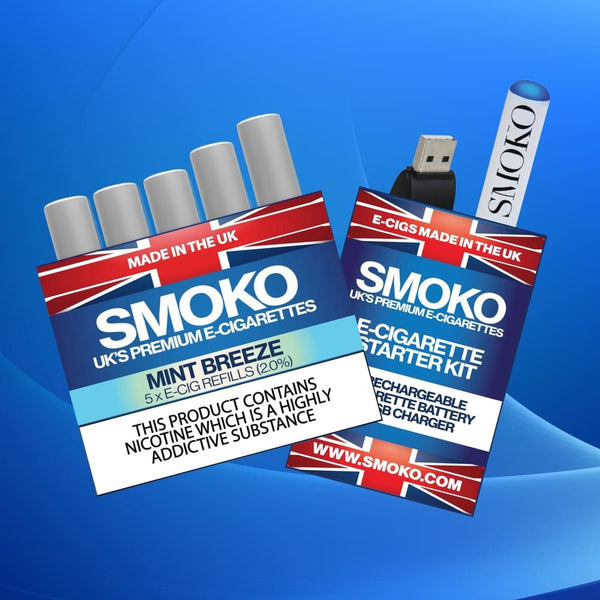
SMOKO E-Cigarettes and Vapes has been at the forefront of this revolution in the UK, with UK-made e-liquids used across its vaping range. Since 2012, the company has prevented over 850 million cigarettes from being smoked, whilst customers have saved over £510 million of their hard-earned money from literally going up in smoke. This remarkable impact demonstrates the growing acceptance and effectiveness of tobacco-free alternatives.
Nicotine pouches are another innovative tobacco-free product that has gained substantial traction. Oral nicotine pouches are small and placed in the mouth under the upper lip, where nicotine is absorbed through the oral mucosa into the bloodstream without any smoke or vapour. They offer a completely smoke-free, vapour-free option that can be used virtually anywhere, making them particularly appealing for those with active lifestyles.

Unlike snus and other smokeless tobacco products that contain tobacco leaf, nicotine pouches are tobacco free and are not classified as smokeless tobacco products.
The Science Behind Tobacco-Free Nicotine
Synthetic nicotine, or tobacco-free nicotine, is produced through chemical synthesis rather than extraction from tobacco plants. The resulting molecule is designed to provide nicotine without requiring tobacco cultivation or tobacco plant material.
Research into nicotine itself, separate from tobacco, has revealed important distinctions. Whilst nicotine is addictive, many of the most serious health risks associated with smoking(4) come from the combustion process and the thousands of chemicals in tobacco smoke, rather than nicotine alone. Smoking-related diseases such as cancer and heart disease are strongly associated with exposure to toxic substances produced when tobacco burns. This understanding has been fundamental in developing harm-reduction strategies that focus on eliminating tobacco combustion whilst providing nicotine through alternative delivery systems. Even so, more research is needed, and long-term health studies on newer synthetic nicotine products remain limited.
Health Effects and Tobacco Harm Reduction
The concept of tobacco harm reduction(6) is central to understanding tobacco-free nicotine products. Whilst complete abstinence from nicotine remains the healthiest choice, tobacco-free alternatives can offer a less harmful option for adults who would otherwise continue smoking traditional cigarettes. Public health bodies have increasingly examined the potential role of alternative nicotine products in reducing smoking-related harm.
Traditional tobacco products involve inhaling smoke from burning tobacco, which contains thousands of chemicals and numerous carcinogens. Tobacco-free nicotine products eliminate tobacco combustion. E-cigarettes and vapes, for instance, generally expose users to fewer harmful chemicals than cigarette smoke, although vaping is not risk-free.
It's important to note that whilst some tobacco-free nicotine products can be less harmful than smoking, they are not without risks. Nicotine itself can affect cardiovascular health(5) and is highly addictive. For young people and young adults, nicotine use is a particular concern. Some oral nicotine products can also cause gum irritation, increased heart rate, mouth soreness and ulcers. Users should be informed about these risks and tobacco-free products should be considered primarily by adults who already smoke or use nicotine rather than products for non-smokers to adopt.
Maintaining overall health whilst using nicotine products involves adopting healthy lifestyle habits. Regular physical activity can improve general wellbeing. According to the NHS exercise guidance, adults should aim for at least 150 minutes of moderate-intensity activity weekly.
How Tobacco Products Are Regulated in 2026
The regulatory landscape for tobacco-free nicotine products has evolved considerably over recent years. Governments worldwide have worked to develop frameworks that balance public health protection with harm reduction principles. In the UK, e-cigarettes and vaping products are subject to regulations covering product safety, nicotine limits, labelling requirements and advertising restrictions. Nicotine pouches have historically been regulated differently from nicotine-containing vaping products.
The UK has taken a relatively supportive approach to vaping as an alternative for adult smokers, while regulations aim to protect consumers and young people. Regulatory approaches to newer nicotine products continue to evolve both in the UK and internationally.
Quality standards and regulatory requirements help ensure that consumers have access to clearer information about nicotine products. Requirements differ according to product category, so consumers should purchase from established retailers and check applicable UK product information and warnings.
Age verification and youth prevention measures remain critical components of the regulatory framework. In the UK, the age of sale for nicotine pouches will be 18 from 29 October 2026(2). The Tobacco and Vapes Act will also introduce wider restrictions on the advertising and promotion of vaping and nicotine products. Responsible manufacturers and retailers implement age-verification systems to prevent youth access whilst ensuring adult smokers can obtain alternatives to combustible cigarettes.
Can Nicotine Products Help People Quit Smoking?
Transitioning from traditional cigarettes to tobacco-free nicotine products represents a significant change that requires planning and commitment. Understanding the various options available is the first step in finding a product that meets individual needs and preferences. E-cigarettes and vapes offer an experience somewhat similar to smoking, which many find helpful during the transition period, while others use nicotine pouches(1) as another way to use nicotine without smoking. However, nicotine pouches are not currently licensed as stop-smoking medicines in the UK.

Selecting the appropriate nicotine strength is crucial when moving away from cigarettes. Products are available in various nicotine concentrations, allowing users to choose levels that adequately satisfy cravings without delivering excessive nicotine. Across different brands, nicotine content and nicotine release can vary by product. Many switchers begin with a nicotine concentration that adequately manages cigarette cravings, then gradually reduce their strength over time if desired. SMOKO's prefilled vape pods provide a simple option for adult smokers looking for prefilled devices in different nicotine strengths and flavours.
Flavour options represent another important consideration. Tobacco-free nicotine products are available in a range of flavours, from tobacco-like options to fruit and menthol varieties. Different flavours can help some adult smokers create a clearer separation from the taste and routine of cigarettes.
Cost savings represent a compelling practical benefit of switching away from cigarettes. With cigarette prices continuing to rise due to taxation and regulatory costs, alternatives like e-cigarettes can offer substantial long-term savings depending on individual usage. SMOKO estimates that its customers have collectively saved over £510 million compared with continuing to smoke.
Support systems can enhance success rates when transitioning away from cigarettes. Whether through online communities, smoking cessation programmes, or healthcare-provider guidance, having access to information and encouragement can make the switching process more manageable. Evidence-based stop-smoking aids combined with behavioural support can improve quitting outcomes.
Adults who prefer an oral nicotine format may also consider SMOKO Sugar-Free Nicotine Gum, while smokers who prefer the familiar hand-to-mouth action of vaping can explore the SMOKO Vape Pod Starter Kit.
The Future of Tobacco Free Alternatives
As we progress through 2026, the tobacco-free nicotine industry continues to evolve rapidly. Technological innovations are producing increasingly sophisticated devices with better battery life, more consistent nicotine delivery and enhanced user experiences. These improvements make tobacco-free alternatives increasingly accessible to adult smokers considering a switch.
Research into the long-term effects of tobacco-free nicotine products is expanding. Evidence remains more limited for some newer products than for established nicotine-replacement therapies and e-cigarettes, highlighting the need for continued research.
Public perception of tobacco-free nicotine products continues to shift as awareness grows about the distinction between nicotine and tobacco. Nicotine pouch use(3) has increased in Great Britain, particularly among younger adults, increasing the importance of appropriate age restrictions and responsible marketing. Educational efforts explaining the distinction between nicotine addiction and the harms of combustible tobacco can help adult smokers make better-informed choices.
The market for tobacco-free nicotine products continues to develop, with innovation driving new product categories and formulations. From vaping devices to next-generation nicotine pouches, manufacturers continue developing products intended to meet different adult consumer needs while adapting to evolving regulatory requirements.
Conclusion
Tobacco-free nicotine products represent an important development in tobacco harm reduction, offering adult smokers alternatives that avoid tobacco combustion. From e-cigarettes and vapes to nicotine pouches and traditional replacement therapies, these products provide different options for people seeking to move away from smoking whilst managing nicotine dependence.
SMOKO E-Cigarettes and Vapes has focused on providing alternatives for adult smokers since 2012. As regulations mature, technology advances and public understanding grows, tobacco-free nicotine products are likely to remain an important part of discussions about reducing smoking-related harm.
For adults in the UK who smoke and are considering an alternative, tobacco-free nicotine products can help manage cravings without exposure to cigarette smoke. Although these products are not risk-free and nicotine remains addictive, switching completely away from cigarettes can reduce exposure to many of the harmful chemicals created by burning tobacco. Alongside stopping smoking, healthy habits such as eating a balanced diet and staying active in line with the NHS physical activity guidelines can support better overall health.
Frequently Asked Questions
What are tobacco-free nicotine products?
Tobacco-free nicotine products provide nicotine without burning tobacco. Examples include e-cigarettes and vapes, nicotine pouches, nicotine patches, gum and lozenges. Nicotine pouches are oral products and are not the same as traditional snus or moist snuff, which contain tobacco.
Are tobacco-free nicotine products safer than cigarettes?
For adults who smoke, switching completely to a suitable smoke-free nicotine alternative can significantly reduce exposure to many of the harmful chemicals produced by burning tobacco. However, nicotine products are not risk-free, and nicotine is addictive. Long-term evidence for some newer nicotine products remains limited.
What is tobacco-free nicotine (TFN)?
Tobacco-free nicotine, often called synthetic nicotine, is produced without extracting nicotine from tobacco plants. It is designed to provide nicotine without the tobacco plant material found in conventional tobacco-derived nicotine.
Can tobacco-free nicotine products help you quit smoking?
Some can. Licensed nicotine replacement therapies such as patches and gum, as well as nicotine e-cigarettes, can help adult smokers manage cravings when quitting. Nicotine pouches are another tobacco-free option, but they are not currently licensed as stop-smoking medicines in the UK. Nicotine products should not be used by children or non-smokers.
Can I gradually reduce my nicotine strength after switching from cigarettes?
Yes. Once you are comfortably smoke-free, you may choose to gradually reduce your nicotine strength over time. The priority is to use a level that adequately manages cravings and helps prevent a return to cigarette smoking.
References
(1) Nicotine Pouches, Vaping and Stop-Smoking Alternatives | NHS
(2) UK Nicotine Pouch and Vaping Laws 2026: Age Restrictions | GOV.UK
(3) Nicotine Pouch Use Rises Across Great Britain | The Guardian
(4) Nicotine, Vaping and Smoking: Understanding the Health Risks | Cancer Research UK
(5) Nicotine, Vaping and Cardiovascular Health | British Heart Foundation
(6) E-Cigarettes, Nicotine and Tobacco Harm Reduction: Evidence Review | Royal College of Physicians
ABOUT THE AUTHOR
Written by Mike Cameron
Mike Cameron is a former smoker of 15 years (2 packs a day) until he successfully quit using a cigalike. Mike is the Co-Founder and CEO of SMOKO E-Cigarettes and over the last 13+ years, SMOKO has prevented 850M+ cigarettes from being smoked, helped their customers save £510M+ of their hard-earned money from going up in smoke and helped 10,000’s of adult smokers in 25+ countries to live smoke-free.
Last updated 15/09/2026