Table of Contents
- Key Takeaways
- Nicotine Replacement Therapy (NRT) Options
- Prescription Medications and Smoking Cessation Support
- Digital Tools to Help You Quit Smoking
- Nicotine-Free and Natural Alternatives
- Nicotine-Free Options and Moving Away from Nicotine
- Gradually Cutting Down Before Quitting
- Creating a Comprehensive Cessation Plan
- Long-term Success and Relapse Prevention
- Conclusion
- Frequently Asked Questions
- References
Key Takeaways
-
There are many alternatives to vaping for quitting smoking, including nicotine patches, gum, lozenges, sprays, nicotine pouches and prescription stop-smoking medicines.
-
Combining an effective stop-smoking treatment(6) with behavioural or professional support generally provides a stronger approach than relying on willpower alone.
-
The best vape alternative depends on your nicotine dependence, preferences and previous quit attempts, so creating a personalised quit plan can improve your chances of becoming smoke-free.
As we move through August 2026, the range of alternatives to vaping and smoking continues to grow. While nicotine vapes remain a popular stop-smoking aid for adults who smoke, vaping is not the only option. Some people prefer not to inhale anything, while others want to move away from nicotine altogether. From established stop-smoking medicines to behavioural support and digital tools, there are now several ways to quit smoking.

There is no single quitting method that works for everyone. Nicotine dependence, daily routines, previous quit attempts and personal preferences can all influence which approach is most suitable. The strongest evidence generally supports combining an effective stop-smoking treatment with behavioural support, rather than relying on willpower alone. Understanding the different alternatives to vaping can therefore make it easier to build a quit-smoking plan that feels realistic and sustainable.
Nicotine Replacement Therapy (NRT) Options
Nicotine Replacement Therapy (NRT) is one of the best-established ways to stop smoking. NRT provides nicotine without the toxic chemicals produced by burning tobacco, helping reduce cravings and withdrawal symptoms. Common options include patches, gum, lozenges and sprays.
Nicotine patches release nicotine gradually through the skin, providing a steady supply throughout the day. They are discreet, easy to use and particularly helpful for people who experience regular cravings.
Nicotine mouth and nasal sprays deliver nicotine more quickly than patches. For stronger cravings, a long-acting patch can also be combined with faster-acting NRT, an approach supported by NHS stop-smoking guidance(1).
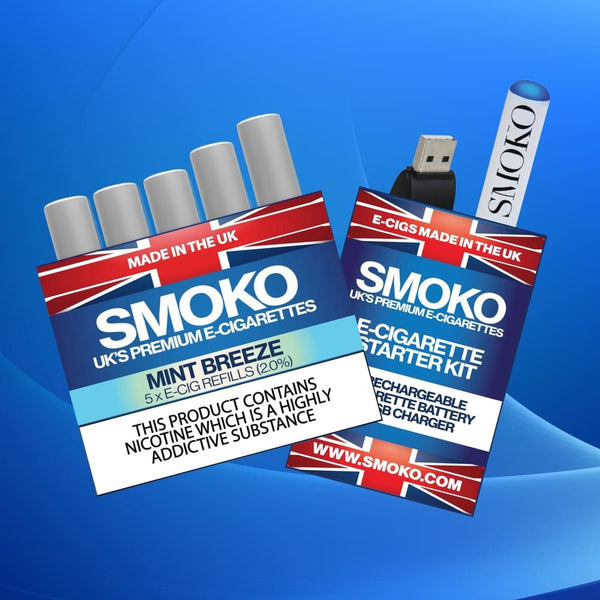
Alongside vape kits and e-cigarettes, SMOKO offers a growing range of nicotine products for adults looking for alternatives to smoking or vaping. The range includes nicotine pouches and sugar-free nicotine chewing gum, with all products made in the UK. This gives adult nicotine users more choice when looking for an option that suits their preferences.
Nicotine gum and lozenges provide faster relief when cravings appear. They also give users more control over when they receive nicotine and can be useful during situations previously associated with cigarettes.

Nicotine pouches offer a convenient, smoke-free and vape-free alternative for adults who already use nicotine. Placed between the gum and lip, they deliver nicotine through the lining of the mouth without tobacco leaf, combustion, smoke or vapour. They are discreet, require no device or charging and can be used without inhaling anything, making them a practical option for adult smokers and vapers looking for a different way to use nicotine. While nicotine pouches are not currently licensed as Nicotine Replacement Therapy (NRT) in the UK and still contain addictive nicotine, their simple, tobacco-free format makes them an increasingly popular alternative to cigarettes and vaping
Prescription Medications and Smoking Cessation Support
For people looking for alternatives to vaping and NRT, nicotine-free stop-smoking medicines are another option, and adults may also discuss heated tobacco and other alternatives with a clinician. In the UK, these include varenicline, cytisine and bupropion, although availability and suitability can vary. Heated tobacco warms real tobacco instead of burning it. Unlike cigarettes, it avoids combustion, and some products emit 95% lower harmful chemicals than cigarettes, but they are not risk free and are still intended only as a possible step away from combustible cigarettes for adult smokers.
Varenicline and cytisine(2) are nicotine-free medicines used to support smoking cessation. Varenicline reduces nicotine cravings and makes cigarettes less satisfying, while bupropion can help reduce withdrawal symptoms. Cytisine (cytisinicline) is another nicotine-free medicine that works in a similar way to varenicline and has become a more prominent stop-smoking option in the UK.
Professional support can significantly improve the chances of quitting successfully. Local Stop Smoking Services, pharmacists and GPs can help smokers choose suitable treatments, manage withdrawal and develop strategies for difficult situations.
Behavioural Support for Nicotine Cravings
Cognitive Behavioural Therapy (CBT) and other behavioural approaches focus on the habit, thoughts and triggers connected with smoking, including patterns that matter when people want to quit. Someone might learn to recognise situations that automatically prompt a cigarette, challenge beliefs such as needing to smoke to manage stress, and develop alternative responses. Oral substitutes can help manage the hand to mouth ritual associated with vaping. Behavioural support can be especially useful alongside NRT or stop-smoking medication because it addresses the learned routines surrounding smoking as well as nicotine withdrawal. Controlled breathing aids can help reduce anxiety and cravings, and tools that are designed to replicate hand-to-mouth behaviours of smoking as a behavioural support option.
Digital Tools to Help You Quit Smoking
Digital tools have become increasingly popular for people trying to quit smoking. Apps, text programmes and online services can provide encouragement, reminders and practical support while helping users discover support options alongside more established treatments.
Quit-smoking apps can track smoke-free days, cravings and money saved while providing goals and motivational milestones. They can be useful for maintaining momentum, although they should not necessarily replace professional support(5) or proven treatments.

Wearable technology may help users monitor activity, sleep or stress and recognise situations associated with cravings. However, wearables are better considered supportive tools rather than proven standalone smoking-cessation treatments.
Virtual reality (VR) is also being researched for smoking cessation, and ongoing research is still evaluating its long term effects and practical value. VR can simulate smoking triggers and allow users to practise coping strategies, although it remains an emerging approach rather than an established alternative to NRT or medication.
Nicotine-Free and Natural Alternatives
Some people searching for ways to quit smoking naturally prefer approaches that do not involve nicotine or medication substitutes. Stress management, exercise and healthier routines can support a quit attempt, but not every natural treatment has strong scientific evidence behind it.
Acupuncture is sometimes promoted for nicotine cravings, but evidence for long-term smoking cessation remains limited. It is better considered a complementary approach rather than a replacement for proven stop-smoking treatments.
Herbal remedies and supplements are also marketed for smoking cessation, but natural does not automatically mean effective or safe. Evidence supporting products such as lobelia or St John's wort is insufficient, and some herbal remedies can interact with medicines.
Mindfulness and meditation may help smokers recognise cravings and respond to them differently. These techniques can be particularly useful for managing stress but are best used as part of a broader stop-smoking strategy.
Exercise can also help during a quit attempt by providing a distraction from cravings while supporting physical and mental wellbeing. Replacing a traditional cigarette break with a short walk or other activity can also help break established smoking routines.
Nicotine-Free Options and Moving Away from Nicotine
Some people want to move away from both smoking and nicotine altogether. Nicotine-free options can include behavioural strategies, stress management and healthier routines. For people who still want to maintain the familiar vaping ritual while reducing their reliance on nicotine, a 0mg vape is another option to consider.
SMOKO Nicotine-Free Vapes do not replace vaping itself, but they do provide an alternative to nicotine-containing vapes. SMOKO's 0mg vape refills allow adult vapers to maintain the familiar hand-to-mouth action and vaping routine without consuming nicotine. This may make them particularly relevant for existing vapers who have already reduced their nicotine strength and want to take the next step towards becoming nicotine-free.
For people who want to stop vaping entirely, non-inhaled approaches such as behavioural support, exercise, mindfulness or other established stop-smoking strategies may be more appropriate.
Gradually Cutting Down Before Quitting
Not everyone feels ready to stop cigarettes immediately. A cut-down-to-quit approach can provide a more gradual route, particularly when it includes a clear goal of eventually becoming completely smoke-free.
Scheduled reduction involves gradually decreasing the number of cigarettes smoked before a planned quit date. NRT can also be used during this process to help manage cravings.
Switching to "light" or lower-yield cigarettes is not a reliable alternative to quitting. Smokers may compensate by inhaling more deeply or smoking more, reducing any expected benefit. A structured reduction plan using evidence-based cessation aids is a better option.
Behavioural substitution involves replacing smoking routines with healthier habits, and some people switch routines gradually as they cut down instead of stopping smoking cigarettes all at once. This could mean walking during a smoking break, chewing sugar-free gum while driving or drinking water after meals instead of having a cigarette.
Creating a Comprehensive Cessation Plan
The most effective approach often combines several forms of support, and the most suitable alternative usually depends on matching methods to the person’s needs. Someone might use a nicotine patch alongside faster-acting NRT(3) or combine a nicotine-free medicine with behavioural counselling.
Setting a quit date can turn the intention to stop smoking into a practical plan. Removing cigarettes and ashtrays and organising stop-smoking products if they are part of the routine can make the transition easier.
Identifying personal smoking triggers is equally important. Stress, coffee, alcohol, driving, socialising and finishing meals can all trigger cravings, so planning alternative routines in advance can help.
A strong support network can make quitting easier. Friends, family, pharmacists, GPs and local Stop Smoking Services can all provide encouragement and practical help throughout the process, and a GP or pharmacist can also help someone explore other alternatives if the first approach is not working.
Long-term Success and Relapse Prevention
Staying cigarette-free requires more than getting through the first few cravings. Stress, social occasions and spending time around smokers can trigger urges later, making it useful to have strategies ready for challenging situations, as no inhaled product is without risk and relapse-prevention plans should account for that reality.
Developing new routines can help fill the space cigarettes once occupied. Exercise, hobbies, cooking or simply changing how work breaks are spent, while replacing the mouth action with a simple non-smoking habit, can gradually make a smoke-free lifestyle feel more natural and support safety through more mindful use.
Tracking health improvements can provide additional motivation. The benefits of quitting begin quickly and increase over time, while many people also notice improvements in taste, smell and general wellbeing.
The money saved by quitting smoking can be another powerful motivator. Calculating cigarette spending over a month or year can highlight just how much becoming smoke-free can save.

Conclusion
In August 2026, people looking for alternatives to vaping have several options. NRT products such as patches, gum, lozenges and sprays remain widely used, while medicines including varenicline, cytisine and bupropion provide additional options for suitable adults.
The best approach to quitting smoking will differ from person to person. Some smokers benefit from combining different types of NRT, while others may use nicotine-free medication alongside behavioural support. For existing adult vapers whose goal is to move away from nicotine but who are not yet ready to give up the familiar vaping routine, a 0mg nicotine-free vape provides another option. It is not an alternative to vaping itself, but it allows users to maintain the familiar hand-to-mouth action without consuming nicotine.
Quitting smoking can take more than one attempt. If a setback happens, identifying what triggered it and adjusting the next quit attempt can help. Professional support combined with appropriate stop-smoking treatments generally offers a stronger approach than relying on willpower alone. The important thing is to find an approach that suits the individual's needs while working towards becoming smoke-free and, where desired, nicotine-free.
Frequently Asked Questions
What are the best alternatives to vaping for quitting smoking?
Alternatives include nicotine replacement therapy (NRT), such as patches, gum, lozenges and sprays, as well as prescription stop-smoking medicines and behavioural support. The best option depends on your nicotine dependence, preferences and previous quit attempts.
Are nicotine pouches an alternative to vaping?
Nicotine pouches provide nicotine without smoke, vapour or tobacco leaf, making them a discreet alternative for adult nicotine users who do not want to inhale anything. They are tobacco-free, often come in different flavours and strengths, and usually contain synthetic nicotine or nicotine salts. They contain addictive nicotine and are not currently licensed as NRT or stop-smoking medicines in the UK.
What nicotine-free alternatives can help me stop smoking or move away from nicotine?
Nicotine-free options include stop-smoking medicines such as varenicline, cytisine and bupropion, where suitable, as well as behavioural support and changes to daily routines. For existing adult vapers who want to stop using nicotine but are not yet ready to give up the vaping ritual, SMOKO also offers 0mg nicotine-free vape refills. These are not an alternative to vaping itself, but they provide a nicotine-free option for maintaining the familiar hand-to-mouth routine while moving away from nicotine.
Where can I get help to quit smoking in the UK?
You can seek support from local Stop Smoking Services(4), your GP or a pharmacist. They can help you choose appropriate treatments, manage withdrawal symptoms and create a personalised plan for quitting.
References
(1) Quit Smoking with Nicotine Replacement Therapies (NRTs)
(2) Pharmacotherapy and E-Cigarettes for Smoking Cessation
(3) What Is the Best Way to Use Nicotine Replacement Therapy to Quit Smoking?
(4) 10 Tips to Help You Stop Smoking
(5) Stop Smoking Services: A Public Health Success
(6) Smoking and Tobacco: Stop-Smoking Aids and Treatments
ABOUT THE AUTHOR
Written by Mike Cameron
Mike Cameron is a former smoker of 15 years (2 packs a day) until he successfully quit using a cigalike. Mike is the Co-Founder and CEO of SMOKO E-Cigarettes and over the last 13+ years, SMOKO has prevented 850M+ cigarettes from being smoked, helped their customers save £510M+ of their hard-earned money from going up in smoke and helped 10,000’s of adult smokers in 25+ countries to live smoke-free.
Last updated 17/08/2026