Table of Contents
- Key Takeaways
- How Cigarette Smoking Raises the Risk of Heart Disease and High Blood Pressure
- Effects of Smoking on COPD and Other Chronic Respiratory Conditions
- Smoking and the Increased Risk of Cancer
- Health Effects on the Pancreas and Digestive System
- Bone Health and Musculoskeletal Effects
- Vision Loss and Eye Disease
- Cognitive Decline and Brain Health
- How to Quit Smoking and Gain Health Benefits
- Conclusion: Smoking Can Damage Nearly Every Organ
- Frequently Asked Questions
- References
Key Takeaways
-
Smoking can damage nearly every organ, increasing the long-term risk of heart disease, COPD, cancer, sight loss and dementia.
-
Quitting smoking benefits your health at any age(1), with breathing and circulation improving while future risks of serious smoking-related diseases can fall.
-
Vapes and e-cigarettes can help adult smokers manage cravings while moving away from cigarettes, with the greatest benefit coming from stopping smoking completely.
Smoking cigarettes is a leading cause of preventable illness and premature death worldwide. The long-term health effects of smoking reach far beyond the lungs, increasing the risk of heart disease, stroke, cancer and chronic obstructive pulmonary disease (COPD). Understanding what cigarettes do to the body can help someone decide to quit and help loved ones support them.
In 2026, the evidence is clear: years of smoking can damage nearly every organ, shorten life and make everyday activities harder as smoking-related illness develops.
How Cigarette Smoking Raises the Risk of Heart Disease and High Blood Pressure
Smoking can damage your heart and blood vessels(4) long before you notice a problem. Chemicals in cigarette smoke damage the lining of your arteries, allowing fatty material to build up and restrict blood flow. This build-up, known as atherosclerosis, often develops without symptoms and can damage vessels in ways that raise the risk of blood clots, heart attack or stroke.

The longer you smoke, the greater your risk of coronary heart disease, stroke and peripheral arterial disease, which affects blood flow to the legs. Carbon monoxide in cigarette smoke reduces the amount of oxygen your blood can carry, so your heart has to work harder. Nicotine also raises your heart rate and blood pressure after each cigarette.
The damage can build up over years. Active smokers have more heart attacks than non-smokers. Smoking is also a major risk factor for cardiovascular disease, including heart failure, a condition in which the heart cannot pump blood effectively. Cutting down does not remove the risk: UK research found that even one cigarette a day substantially increases the risk of coronary heart disease and stroke.
Effects of Smoking on COPD and Other Chronic Respiratory Conditions
Smoking can leave lasting damage to the lungs by exposing them to toxic chemicals in tobacco smoke and make everyday breathing harder. Chronic obstructive pulmonary disease (COPD) includes emphysema and chronic bronchitis, and smoking is its main cause. A persistent cough or breathlessness may be easy to dismiss at first, but COPD symptoms can worsen over time, contribute to respiratory diseases, and limit ordinary activities.
Emphysema damages the tiny air sacs that transfer oxygen from the lungs into the bloodstream. That damage cannot be reversed, although treatment can help manage symptoms. Chronic bronchitis inflames the airways and produces excess phlegm, often causing a long-term cough and breathing difficulties. Smoking also drives chronic inflammation in the airways, which can lead to respiratory illnesses over time.
Smoking also speeds up the decline in lung function. Everyone’s breathing capacity changes with age, but continued smoking can make the loss more severe. Smoking can also weaken the immune system, and tobacco chemicals suppress immunity so smokers are more likely to develop respiratory infections. Stopping smoking is the most effective step a person with COPD can take to slow the condition’s progression.
Smoking and the Increased Risk of Cancer
Lung cancer is the cancer most closely linked to smoking, but the risk does not stop at the lungs. Cigarette smoke contains at least 70 cancer-causing chemicals, and the risk of lung cancer(3) rises the longer a person smokes and the more they smoke.
Smoking increases the risk of multiple cancers and can also cause cancers of the mouth, throat, oesophagus, stomach, pancreas, liver, kidney, bladder, cervix and bowel. It is a risk factor for acute myeloid leukaemia, a type of blood cancer.

Chemicals in cigarette smoke can damage DNA and make it harder for cells to repair that damage. Cancer may develop years after the exposure that contributed to it, so the effects of smoking are not always apparent straight away. Stopping smoking reduces cancer risk, even for someone who has smoked for many years.
Health Effects on the Pancreas and Digestive System
The pancreas helps digest food and produces insulin, and smoking puts its health at risk. In the UK, smoking causes more than 15% of pancreatic cancer cases; this cancer is often diagnosed late, when treatment is more difficult. Smoking is also linked to a higher risk of type 2 diabetes and can worsen diabetes-related health conditions, including kidney disease, for people already living with diabetes.
Smoking affects the digestive system as well as the pancreas. It can weaken the muscle between the stomach and oesophagus, allowing stomach acid to travel upwards and cause reflux or heartburn. Smoking is also linked to stomach ulcers and a higher risk of developing Crohn’s disease, and it can make Crohn’s symptoms worse.
Bone Health and Musculoskeletal Effects
Smoking can weaken bones over time, increasing the risk of osteoporosis and fractures. Nicotine impairs calcium absorption, which contributes to osteoporosis. This matters particularly after the menopause, when bone loss naturally speeds up. The Royal Osteoporosis Society notes that smoking raises the chance of breaking a bone in the hip or spine.
Smoking can also slow recovery after a broken bone or an operation. Smoking reduces blood flow and affects the cells involved in bone healing and fighting infection. Healing may therefore take longer, and complications after surgery become more likely.
The effects on movement extend beyond bone strength. Smoking is linked to a higher risk of rheumatoid arthritis and can make the condition worse for people who already have it. As bones become more fragile with age, fractures and painful joints can make it harder to stay active and independent.
Vision Loss and Eye Disease
Smoking can damage the blood vessels and delicate tissues in the eyes, putting sight at risk. People who smoke are two to four times more likely to develop age-related macular degeneration (AMD), a leading cause of sight loss in the UK. AMD affects central vision, making tasks such as reading and recognising faces more difficult.

Smoking also increases the risk of cataracts, which can develop earlier and progress faster in people who smoke. A cataract clouds the eye’s lens and may eventually need surgery to restore clearer vision. For people with diabetes, smoking can worsen diabetic retinopathy; it may also increase the risk of glaucoma, which can damage the optic nerve.
Cognitive Decline and Brain Health
Smoking can affect brain health as well as the heart and lungs. People who smoke have a higher risk of dementia, including Alzheimer’s disease and vascular dementia. Smoking damages blood vessels, while toxins in cigarette smoke can cause inflammation and stress to cells, both of which are linked to dementia risk.
Reduced blood flow through small vessels in the brain, or damage after a stroke, can contribute to vascular dementia. Its symptoms can include difficulty concentrating, planning or remembering things, although smoking does not mean a person will inevitably develop dementia. A cigarette may seem to ease stress, but that brief relief is often followed by nicotine withdrawal and another craving. Smoking is also linked to mental health harms, including a higher risk of suicide attempts and schizophrenia.
Smoking can take a toll on mental wellbeing, too. NHS guidance says people who stop smoking generally experience less stress, anxiety and depression(6) after withdrawal has passed.
How to Quit Smoking and Gain Health Benefits
Quitting smoking benefits your health at any age, even if you have smoked for years. Your heart rate and blood pressure begin to return towards normal soon after your last cigarette. In the weeks and months that follow, breathing and circulation can improve. Over time, the risks of heart disease, stroke and cancer fall, although some existing damage may be permanent. Up to ⅔ of long-term smokers will develop a smoking-related condition.
Looking after yourself can support that change. Regular activity, even a daily walk, can help improve fitness; the NHS exercise guide offers ways to get started. Getting enough sleep supports physical recovery, too, as the Sleep Foundation’s guide explains. Smoking cessation support(2) often helps people manage withdrawal symptoms during quitting.
The right alternative can make leaving cigarettes behind feel more manageable. A vape or an e-cigarette, can help with cravings and preserve the familiar hand-to-mouth routine, while nicotine gum offers a discreet, established aid for nicotine dependence. Nicotine pouches are another smoke-free option. Whichever route you choose, stopping cigarettes completely is what brings the full benefit of switching.

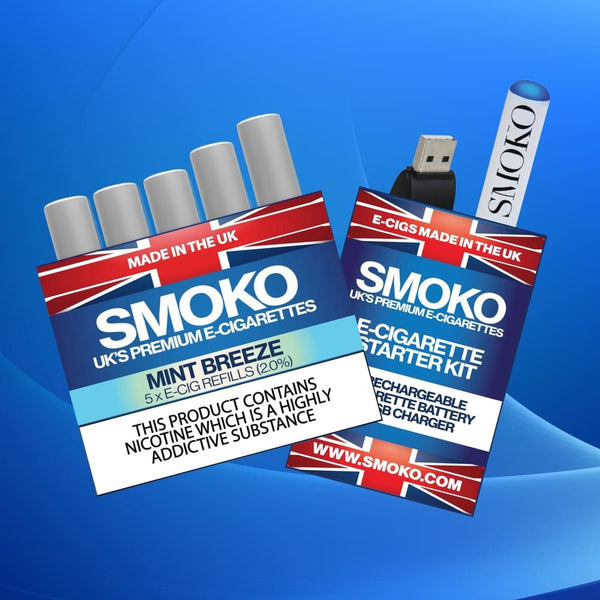
For over 13 years, SMOKO has been helping adult smokers move away from cigarettes with straightforward alternatives that fit into everyday life. Founded in 2012, the brand offers easy-to-use, prefilled e-cigarettes and vapes with UK-made e-liquid, alongside nicotine gum and nicotine pouches. Whether you prefer the familiar feel of a cigarette-style device or a discreet option for managing cravings, SMOKO’s range gives you practical choices to support your journey towards a life without cigarettes.
Smoking cessation can help reduce reproductive harm, including fertility problems in both genders and poorer sperm quality in men. Women who smoke also face higher risks of miscarriage and ectopic pregnancy.
The human body possesses remarkable healing capacity when given the opportunity. Every cigarette not smoked is a victory. Every day without tobacco is a step toward better health.
Conclusion: Smoking Can Damage Nearly Every Organ
The long-term health effects of smoking reach far beyond the lungs, increasing the risk of heart disease, cancer, sight loss and dementia. Some damage cannot be reversed, but stopping smoking can reduce future risks at any age. Knowing the risks is a useful starting point for making a change. NHS stop smoking support, nicotine replacement therapy and vaping can help, with the full benefit of switching to a vape coming when cigarettes are stopped completely. Quitting may take more than one attempt, but every attempt is a chance to move towards a healthier life.
Frequently Asked Questions
What are the long-term health effects of smoking?
Long-term smoking can damage nearly every organ in the body. It increases the risk of heart disease, stroke, COPD, several types of cancer, sight loss, osteoporosis and dementia. It is also a major risk factor for many preventable disease outcomes.
What happens to your lungs after years of smoking?
Years of smoking can damage the airways and lung tissue and lead to COPD, including emphysema and chronic bronchitis. Smoking tobacco also raises the risk of lung disease, chronic lung disease and other respiratory diseases. Some damage, such as the destruction of the air sacs caused by emphysema, cannot be reversed.
Can your body recover after you quit smoking?
Yes. The body begins recovering after you stop smoking, with breathing and circulation improving over time and the future risks of heart disease, stroke and cancer falling. Quitting also protects others because there is no safe level of exposure to secondhand smoke. However, some existing smoking-related damage may be permanent.
Does quitting smoking help even after many years of smoking?
Yes. Quitting provides health benefits at any age, even if you have smoked for many years. Stopping also prevents continued exposure to the harmful chemicals produced by burning cigarettes and other tobacco products.
Can vaping help you quit smoking?
Nicotine vapes and e-cigarettes can help adult smokers manage cravings when moving away from cigarettes. Vaping(5) is not risk-free, but stopping smoking completely and switching to vaping reduces exposure to the harmful chemicals produced by burning tobacco and avoids combustion, though it may still expose users to harmful substances.
Can secondhand smoke affect other people’s health?
Yes. Breathing in secondhand smoke, also called passive smoking, increases adults’ risk of heart disease and lung cancer. Children exposed to it are more likely to develop chest and ear infections, while exposure around babies increases the risk of sudden infant death syndrome (SIDS). Keeping your home and car smoke-free helps protect the people around you.
References
(1) Benefits of Quitting Smoking – Better Health | NHS
(2) Health Matters: Smoking and Quitting in England | GOV.UK
(3) How Does Smoking Cause Cancer? | Cancer Research UK
(4) Smoking and the Effect on Your Heart | British Heart Foundation
(6) Quit Smoking – What Happens When You Stop Smoking? | NHS
ABOUT THE AUTHOR
Written by Mike Cameron
Mike Cameron is a former smoker of 15 years (2 packs a day) until he successfully quit using a cigalike. Mike is the Co-Founder and CEO of SMOKO E-Cigarettes and over the last 13+ years, SMOKO has prevented 850M+ cigarettes from being smoked, helped their customers save £510M+ of their hard-earned money from going up in smoke and helped 10,000’s of adult smokers in 25+ countries to live smoke-free.
Last updated 30/09/2026