Table of Contents
- Why Does My Vape Taste Burnt?
- How Does a Vape Work Step by Step?
- Types of vapes
- What's in vape juice?
- Why Do Vapes Start to Taste Burnt?
- Why Does My Brand New Vape Taste Burnt?
- Why Is My Vape So Harsh?
- Why is my vape too strong?
- How to Fix Burnt Taste in Vape
- Why Can't I Taste the Flavour in My Vape?
- Why does my vape taste like cigarettes?
- Could nic salt liquids be causing me issues?
- Why Does My Vape Taste Burnt? Top Causes and Quick Fixes - Conclusion
- REFERENCES
Key Takeaways
- A Burnt Taste Usually Means a Dry or Damaged Coil - If your vape tastes burnt, it's likely due to insufficient e-liquid reaching the coil or excessive heat damaging the wick.
- Common Triggers Include Dry Hits, Wrong Wattage, and Chain Vaping - Failing to prime new coils, vaping on low liquid, or puffing too frequently can all lead to a burnt flavour.
-
Prevention Is Easy With Good Vaping Habits - Prime your coils, regularly check your e liquid level to keep your tank filled, and vape at the correct wattage to enjoy a smooth, flavourful experience without the burn.
Why Does My Vape Taste Burnt?
A vape tastes burnt primarily due to the coil or wick not being properly saturated with e-liquid, leading to what's known as a "dry hit." Some users may experience an occasional burnt taste due to temporary issues with saturation or coil condition.
When the coil heats up without enough e-liquid to vaporise, it burns the wick, usually made of cotton, causing that unpleasant burnt taste. Other reasons include vaping at too high of a wattage, which can cause the coil to overheat, or using an old or damaged coil that needs replacing. Additionally, chain vaping (vaping continuously without giving the coil time to re-saturate) can also lead to this burnt flavour —if the wick cannot re saturate quickly enough between puffs, it can result in tasting burnt flavours. Proper maintenance and use are key to avoiding it.
How Does a Vape Work Step by Step?
A vape works by heating e-liquid to produce vapour that users inhale. The vape device or vaping device contains the coil and wick, which are essential components. Here's the process step by step:
- First, the battery powers the device, sending electricity to the coil, a small heating element inside the vape device. The coil heats up quickly when activated.
- The wick, typically made of cotton, absorbs e-liquid from the vape tank or cartridge.
- When the coil heats up, it vaporises the e-liquid soaked in the wick, turning it into an inhalable vapour.
- The user inhales through the mouthpiece, drawing the vapour into their mouth and lungs, where the nicotine and flavour are delivered.
- If the coil is burnt or not properly primed, you may notice a burnt taste in your mouth during inhalation. The process stops when the user releases the activation button or when the draw-activated device automatically powers down.
Vaping is typically used for smoking cessation and harm reduction - the latest evidence review by Public Health England concluded that E-Cigarettes are at least 95% less harmful than smoking tobacco cigarettes (1), even though a recent survey from Action on Smoking and Health (ASH) found that 40% of UK smokers wrongly believe vaping is as harmful or worse than smoking! (2)
Types of vapes
There are several types of vape kits, each catering to different user preferences and experience levels.
- Cigalikes are small, cigarette-like devices designed for simplicity, ideal for beginner vapers. Pod systems offer compact, user-friendly options with refillable or pre-filled pods and are popular for nicotine salt e-liquids.
- Vape pens are slim, pen-shaped devices with larger tanks and customisable options, making them a step up in complexity from cigalikes. These devices often use a replaceable coil head, allowing for easier maintenance and better flavour.
-
Box mods or vape mods are more advanced, offering adjustable wattage, temperature control, and large battery capacity, favoured by experienced vapers.
Box mods also typically use a replaceable coil head for improved performance and longevity.
-
Disposable vapes are single-use, pre-filled devices that are discarded after the battery or e-liquid is depleted, providing a hassle-free, maintenance-free experience. Most disposable vapes are designed for single use and may develop a disposable vape taste if the e-liquid runs out or the coil degrades.
While disposable vapes are convenient, the issues surrounding them has led to the UK government's decision to ban disposable vapes in 2025 (3). Each type has its own features, making it important to choose based on personal needs and preferences.
What's in vape juice?
Vape juice, also known as e-liquid or e-juice, typically consists of four main ingredients: propylene glycol (PG), vegetable glycerine (VG), nicotine, and flavourings. Propylene glycol is a thin, tasteless liquid that helps produce a throat hit similar to smoking, while vegetable glycerine is thicker and adds sweetness, creating larger vapour clouds.
High VG or high VG e liquids (typically 60-70% VG or more) are much thicker and are best suited for specific high-power devices, as using them in the wrong type of device can cause issues like burnt taste or poor performance. Higher Vegetable glycerine content creates a thicker liquid so typically requires a high-power device, where propylene glycol creates thinner liquids, which is suitable for low powered vapes.
Nicotine, if included, varies in concentration and provides the addictive component found in cigarettes. Flavourings come in a vast array of options, ranging from traditional tobacco and menthol to fruity, dessert, and candy flavours, allowing users to customise their vaping experience. Some e-liquids may also contain additives or sweeteners (4), and sweetened e liquid, especially those with sucralose, can leave residue on coils, leading to burnt flavours. However, the quality and safety of vape juice can vary significantly, so it’s essential to choose products from trusted brands.

Why Do Vapes Start to Taste Burnt?
Vape devices start to taste burnt mainly because of issues with the atomizer coil, vape coil, coil head, or wicking material. Over time, vape coils, which heat the vape juice or ‘e-liquid’, can become clogged or burnt out, especially if used for long periods without proper cleaning or replacement. Another common cause is a burnt hit or dry hit, which happens when there isn’t enough e-liquid in the wick to vaporise, leading the coil to burn the cotton directly. This can occur if the e liquid level is running low, or if you don’t keep your tank topped up, causing the wick to dry out and resulting in burnt hits. It can also happen if the device is used too frequently without allowing the wick time between puffs to absorb more liquid. Additionally, using a vape at too high of a power level can cause the coil head to overheat, leading to a burnt, unpleasant taste. Proper care and maintenance, like regularly replacing or priming your atomizer coil, vape coils, and coil head, as well as keeping the tank topped up and monitoring your e liquid level, can prevent this issue.
Why Does My Brand New Vape Taste Burnt?
A brand new vape can taste burnt if the coil or wick wasn’t properly primed before use. When using a new coil, it’s crucial to properly prime the coil by saturating the wick with vape juice and letting it soak up the e-liquid for a few minutes before vaping. After the new coil is installed, take a few times to inhale without firing the device to help the wick soak up the e and ensure full saturation. If you start vaping right away, the dry cotton wick inside the coil burns, causing a harsh throat hit, burning flavour and an overall bad taste.
Additionally, using the vape at too high a wattage for the coil installed, especially if it’s a sub ohm coil, can also overheat the new coil, leading to the burnt flavour and potentially a nasty coughing fit! To avoid this, always properly prime the coil by soaking the wick, start at a lower wattage setting, and gradually increase it to prevent burning. Be sure to avoid lower-quality coils and ensure you aren’t using the wrong resistance coil for your device.
Why Is My Vape So Harsh?
A harsh vaping experience can be attributed to several factors. One common cause is using a nicotine level that’s too high for your preference, leading to an overwhelming throat hit. If you’re using a sub-ohm device with high nicotine e-liquids, this can also amplify the harshness. Another reason could be the coil’s wattage setting; if the power settings are too high, it can cause the e-liquid to overheat, resulting in a hot, harsh feeling and nasty taste. When using coils with different resistances, it’s important to adjust your device to the recommended wattage or recommended range specified by the manufacturer to avoid burnt hits and harshness. Devices with variable wattage allow you to fine-tune the power output for each coil, helping you achieve optimal flavour and vapour production while preventing coil damage.
Using poor-quality or high-PG (propylene glycol) e-liquids can also contribute to a harsher throat hit compared to higher-VG (vegetable glycerine) liquids, which tend to be smoother. Lastly, if the coil is old or damaged, it might not vaporise the e-liquid properly, leading to an unpleasant experience. Adjusting your nicotine level, wattage settings, and ensuring you’re using fresh coils can help mitigate the harsh throat hit.
Why is my vape too strong?
If your vape feels too strong, it could be due to a few factors, primarily related to nicotine strength and device settings. Using e-liquids with high nicotine concentrations can lead to an overwhelming throat hit and a strong overall sensation, especially if you’re accustomed to lower levels. Additionally, if you’re using a sub-ohm device, the increased vapour production can intensify the strength of each puff, making the experience feel harsher.
High wattage settings can also contribute to a stronger hit, as they heat the e-liquid more quickly and produce hotter vapour. Most devices now offer a higher maximum wattage, allowing you to adjust the power output to suit your preferences. To find the best balance of flavour and comfort, try adjusting your device’s wattage until you reach your sweet spot—this is the optimal setting where you get the best flavour and vapour without harshness or burnt hits. To alleviate a vape that feels too strong, consider switching to a lower nicotine e-liquid, adjusting your device’s wattage, or using a device designed for a smoother vaping experience.
How to Fix Burnt Taste in Vape
If your vape kit is giving you a burning throat or otherwise tasting off (and your e-liquid is within its expiry date), the first step is to change the replaceable coil, as a burnt or clogged coil is often the main culprit. If the replaceable coil is new, ensure it was properly primed by soaking the wick with e-liquid and allowing it to sit for a few minutes before use. Check that the tank has enough e-liquid and that the wattage setting isn’t too high—always refer to the recommended range on the vape packaging, as excessive heat can quickly burn the wick. If you chain vape and the wick cannot re saturate quickly, you may get a burnt taste. You can also try taking slower, less frequent puffs to give the wick time to absorb more liquid; failing to allow the wick to re saturate quickly between puffs can cause you to get a burnt hit. If the problem persists, cleaning the tank and ensuring no debris or old e-liquid is left behind can help improve the overall taste. Proper maintenance is key to preventing a burnt taste in the future.

Why Can't I Taste the Flavour in My Vape?
If you can’t taste the flavour from your vape juice, it could be due to several factors. One common reason is vaper’s tongue, a condition where your taste buds become desensitised to a particular flavour after prolonged use. Switching to a different flavour, staying hydrated or reducing your vaping frequency can help alleviate this issue (5). Additionally, an old or dirty coil can diminish flavour as it becomes clogged with residue over time, so replacing the coil or cleaning the tank may restore the taste. Low-quality e-liquids or expired e-juice can also result in a weak flavour. Lastly, vaping at a wattage too low for the coil might not produce enough heat to fully vaporise the liquid, leading to muted flavours. Adjusting the settings and using fresh, high-quality e-liquids can enhance the taste.
Why does my vape taste like cigarettes?
If your vape tastes like cigarettes, it may be due to a few reasons related to the e-liquid or the device itself. Some e-liquids are specifically designed to replicate the flavour of traditional cigarettes, particularly those labeled as tobacco flavours. If you're using a tobacco-flavoured e-liquid, it will naturally carry a taste reminiscent of cigarettes. Additionally, if the coil in your vape is burnt or old, it can impart a charred or ashy flavour that mimics the taste of cigarette smoke. Using low-quality e-liquids that contain impurities can also contribute to this acrid taste. Lastly, if you’re transitioning from smoking to vaping, it can be difficult to work out the right nicotine strength depending on your previous smoking habit, and your taste buds might still be adjusting, leading to a perception of similar flavours. Cleaning or replacing your coil and trying different e-liquids can help eliminate the cigarette-like taste
Could nic salt liquids be causing me issues?
Yes, nicotine salt (nic salt) liquids could be causing you issues, particularly if you're experiencing discomfort or strong side effects while vaping. Nic salt e-liquids typically contain higher nicotine concentrations, which provide a smoother throat hit and faster absorption compared to traditional freebase nicotine - though the legal maximum for retail liquids in the UK is 20mg/ml or 2%, regardless of whether it is freebase nicotine or nic salt liquids. This can lead to consuming more nicotine than intended, resulting in symptoms such as dizziness, headaches, or nausea, especially for those who are new to vaping or have a lower tolerance. Additionally, the smoother nature of nic salts may encourage users to take longer or more frequent puffs, inadvertently increasing their nicotine intake.
There are other considerations to be aware of when using nic salt liquids - at SMOKO we often have new customers coming over from using disposables complaining about breathing issues. This may be down to the fact that nic salt particles are larger than freebase nicotine particles, making it more challenging for the immune system to take care of which could lead to more fluid in the lungs from inflammation. Nic salt particles are also ionically charged, indicating that they have a harder time crossing into the blood from the lungs; this is in stark contrast from almost every brand touting that nic salts 'give you more of a nicotine hit' - the evidence actually indicates that vaping freebase nicotine results in higher nicotine blood serum levels (6). If you're experiencing problems, consider lowering the nicotine concentration in your e-liquids, switching to freebase nicotine, or adjusting your vaping habits to better match your tolerance.
Why Does My Vape Taste Burnt? Top Causes and Quick Fixes - Conclusion
Hopefully that covers the full range of possible causes for a burnt taste when you vape! In short, it's all about ensuring your e-liquid is of a high quality and within its use-by date, your coils and wicking material are in good condition and properly saturated before each vaping session. If these are all ok, then it may be worth using a lower power setting, and try to avoid 'chain vaping' to prevent the wicking material from drying out before taking another hit.
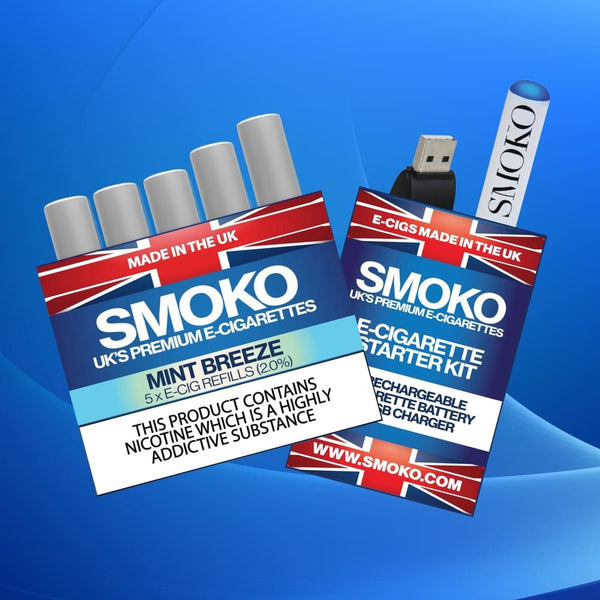
The great thing about prefilled options, like the SMOKO E-Cigarette cigalike vape and the SMOKO VAPE POD is that every refill contains a new coil, we fill our refills with our UK-made vape juice here in the UK so our e-liquid is fresh and not sitting on a plane, a boat or in storage before it comes to you. You don't have to worry about device maintenance; just charge your battery then place a new refill on it and you are good to go!
Making the switch has never been easier with SMOKO!
FAQ: Why Does My Vape Taste Burnt?
Q1: What causes a burnt taste when vaping?
A: A burnt taste usually means your coil is overheated or dry. This often happens when there’s not enough e-liquid reaching the wick, causing it to burn instead of vaporise. If your vape tasting burnt continues after troubleshooting, it may be time to replace the coil or device.
Q2: What are the most common reasons for burnt hits?
A:
-
Dry coil or wick
-
Not priming a new coil before first use
-
Vaping with low or empty e-liquid levels
-
Chain vaping (not giving the coil time to re-saturate)
-
Using the wrong wattage for your coil
Q3: How do I fix a burnt-tasting vape?
A:
-
Refill your tank or pod and let it sit for a few minutes
-
Prime new coils by adding a few drops of e-liquid directly to the cotton
-
Check and adjust the wattage settings (stay within coil specs)
-
Take breaks between puffs to allow re-saturation
-
Replace the coil if the burning taste persists—if your vape tasting burnt continues after these steps, replacement may be necessary
Q4: Can I still use a burnt coil?
A: If the coil is badly burnt, the taste won’t go away—even with cleaning. It’s best to replace the coil or pod to avoid inhaling scorched cotton.
Q5: How can I prevent burnt hits in the future?
A:
-
Always prime new coils
-
Avoid vaping on an empty tank
-
Don’t chain vape excessively
-
Use e-liquids suited to your coil’s resistance and wattage range
Q6: Why does my disposable vape taste burnt?
A: If your disposable vape tastes burnt or you notice a disposable vape taste burnt, it’s a common sign the device is at the end of its life. The bad news is that if your disposable vape tastes burnt, it usually can't be fixed and needs to be replaced. This burnt taste can be caused by low e-liquid, residue buildup, or the coil wearing out.
REFERENCES
(1) E-cigarettes around 95% less harmful than tobacco estimates landmark review
(2) Four in ten smokers wrongly believe that vaping is as or more harmful as smoking
(3) Disposable vapes banned to protect children's health
(4) The impact of sucralose and neotame on the safety of metal precipitation in electronic cigarettes
(5) What is vape tongue? An explanation for dentists and dental hygienists
ABOUT THE AUTHOR
Written by Dan Overgage