Table of Contents
- Key Takeaways
- Public Health Transformation Through E Cigarette Use
- Youth Vaping And Nicotine Addiction: A Growing Social Concern
- Economic and Social Disruption in Traditional Tobacco Markets
- Cultural Shifts and Social Acceptance Patterns
- Regulatory Responses and Social Policy Evolution
- Future Social Implications and Emerging Trends
- References
Key Takeaways
-
Vaping is changing social norms around smoking, particularly among younger adults, by shifting nicotine use from traditional cigarettes to more discreet, tech-driven alternatives.
-
Normalisation of vaping among youth is a key social impact, as vaping becomes more common and accepted in younger age groups.
-
Public health outcomes remain mixed, with E-Cigarettes offering harm-reduction potential for smokers while raising concerns about youth uptake and long-term health effects.
The emergence of vaping technology has fundamentally altered the landscape of tobacco consumption, creating ripple effects that extend far beyond individual users. As E-Cigarettes have gained widespread adoption over the past decade, their social impact has become a subject of intense debate among policymakers, health professionals, and communities worldwide. This transformation affects everything from public health outcomes and youth behaviour patterns to economic structures and social norms surrounding smoking.
Understanding the social impact of vaping requires examining multiple perspectives and considering both positive and negative consequences. While proponents argue that E-Cigarettes offer a less harmful alternative to traditional smoking and have helped millions quit tobacco, critics raise concerns about youth adoption, normalisation of nicotine use, and long-term societal implications. This complex issue demands careful analysis of available evidence and consideration of various stakeholder viewpoints.
Public Health Transformation Through E Cigarette Use
The most significant social impact of vaping lies in its potential to transform public health outcomes related to tobacco use. Traditional cigarettes remain one of the leading causes of preventable death worldwide, claiming millions of lives annually through cancer, heart disease, and respiratory illnesses. The introduction of E-Cigarettes, known as 'electronic nicotine delivery systems' (ENDS) in the scientific world, has provided smokers with an alternative that many health experts consider substantially less harmful (1). These devices work by heating a liquid—often containing nicotine, flavourings, and other chemicals—to produce an inhalable aerosol.

According to research published by Public Health England, E-cigarettes are approximately 95% less harmful than traditional tobacco cigarettes (2). Systematic reviews support the harm reduction potential for adult smokers switching to vaping, showing significant decreases in exposure to toxicants. Switching adult smokers to vaping can significantly reduce exposure to thousands of toxic chemicals found in cigarette smoke.
The social benefits extend to reduced secondhand smoke exposure in public spaces and homes. Unlike traditional cigarettes, E-Cigarettes produce vapour rather than smoke, eliminating many of the harmful chemicals that affect non-smokers. This reduction in secondhand exposure particularly benefits vulnerable populations, including children, elderly individuals, and those with respiratory conditions.
Healthcare systems have also experienced reduced strain as smoking-related illnesses decline in populations where vaping adoption is high. Countries like the United Kingdom have documented fewer hospital admissions for smoking-related conditions as E-Cigarette use has increased among former smokers. In contrast, the rise in vaping-related illnesses, such as E-Cigarette or Vaping Associated Lung Injury (EVALI), has created an increased burden on healthcare systems where regulations have yet to catch up with the high standards set in UK and EU law. E-Cigarette and Vaping Associated Lung Injury has been linked to harmful additives such as vitamin E acetate found in some THC-containing vaping products that are not present in the UK. (3)
E-cigarette use is associated with an increased risk of asthma diagnosis and exacerbation, as well as respiratory outcomes like bronchitis among young people (4). These health concerns highlight the importance of disease control and regulatory measures to mitigate the potential risks of vaping, especially among young people.
Youth Vaping And Nicotine Addiction: A Growing Social Concern
Perhaps the most controversial aspect of vaping’s social impact involves its adoption among young people. The CDC estimated that 5.9% of American middle and high school students were currently using e-cigarettes in 2024, highlighting the prevalence of vaping in this age group (5). Critics argue that the appeal of flavoured E-Cigarettes and targeted marketing strategies have contributed to a new generation developing nicotine dependencies. The normalisation of vaping among youth is exacerbated by glamorisation through aggressive marketing, making vaping appear socially acceptable and even desirable. Many high school students report that vaping is a social activity, with young people often vaping to maintain social connections with peers who also vape.
Dual use—simultaneous use of E-Cigarettes and conventional cigarettes—leads to greater exposure to toxins and higher health risks than using either product alone. Vaping appears to have observable negative health and behavioural impacts on young people's health, including the risk of respiratory issues and mental health problems, and there is ongoing concern among public health experts about the long-term harms and if there is a gateway effect of vaping leading to an increased risk of smoking.
This concern has prompted widespread policy discussions and regulatory responses across multiple jurisdictions.
Educational and Preventive Responses
Schools and community organisations have developed new educational programs specifically addressing vaping risks and prevention. These initiatives focus on helping young people understand nicotine addiction, recognise marketing tactics, and make informed decisions about substance use. In addition, there is growing emphasis on the importance of tobacco control and disease control policies in preventing youth vaping and reducing associated health risks. Many programs emphasise that while vaping may be less harmful than smoking for adult smokers seeking cessation, nicotine products remain inappropriate for youth.
Parents and educators report challenges in addressing vaping behaviour due to the discrete nature of many vaping devices and the variety of available products. This has necessitated new approaches to drug education and prevention that specifically address E-Cigarette technology and usage patterns.
Health Effects and Mental Health Impacts
We have known the harmful effects of tobacco for a long while now, with a top concern being the impact that smoking cigarettes and nicotine has on brain development. Nicotine exposure increases the number of nicotine receptors in the brain, and with constant consumption these receptors need to be stimulated for the brain to function well. This is why smokers feel the 'need' a cigarette, and why brain fog and mental health issues are a significant part of the smoking withdrawal process. With an increase in the frequency of mental health conditions in the Western world, preventing this occurrence is a high priority.
Vaping and nicotine addiction are associated with worsening mental health outcomes, including anxiety, depression, and sleep disturbance among young people. Adolescents and young adults who vape are more likely to report symptoms of depression (depressive symptoms) and anxiety disorders compared to those who do not vape. Vaping is also associated with increased levels of anxiety and worry, as well as loneliness and poorer social relationships. Research shows vaping is linked to worsening mood, emotional health, and increased suicidal ideation and planning among adolescents. Many adolescents who vape report using e-cigarettes to cope with stress, anxiety, and depressive symptoms. Additionally, vaping is linked to sleep disturbances among adolescents, contributing to poorer overall mental health.
E-Cigarettes remove 95% of the harm associated with smoking, according to Public Health England. So, while teen vaping may cause less physical health harms than teen smoking, the issues with nicotine addiction and the developing brain remain significant with nicotine-containing E-Cigarettes.
Economic and Social Disruption in Traditional Tobacco Markets

The rise of vaping has created significant economic disruption within traditional tobacco markets, affecting everything from tobacco farmers to convenience store retailers. This economic transformation carries substantial social implications for communities that have historically depended on tobacco cultivation and cigarette sales.
E-cigarettes are part of the broader product categories of electronic nicotine delivery systems (ENDS) and electronic non-nicotine delivery systems (ENNDS), which include a range of devices that heat liquids to produce inhalable aerosols. The surge in popularity of disposable vapes has also led to environmental harm, as these products generate significant waste, are difficult to recycle, and are often littered, compounding the social impact of vaping.
In regions where tobacco farming has been economically important, the shift toward vaping has contributed to agricultural transitions and job market changes. While some tobacco companies have diversified into vaping products, the overall economic structure of the tobacco industry has undergone fundamental changes that affect rural communities and agricultural workers.
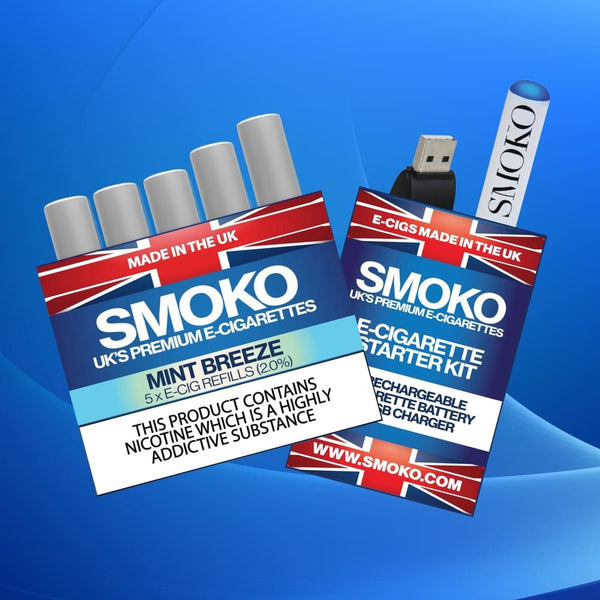
Conversely, the vaping industry has created new employment opportunities in manufacturing, retail, research, and development sectors. Companies like SMOKO E-Cigarettes have emerged, particularly in regions that have embraced domestic manufacturing of vaping products, and SMOKO alone has helped prevent over 850 million cigarettes from being smoked while saving customers more than £510 million over the past twelve years.
Retail and Hospitality Adaptations
Retail environments have adapted to accommodate vaping products, with many establishments developing specialised sections for e-cigarette sales. This shift has required staff training, inventory management changes, and compliance with evolving regulations that differ significantly from traditional tobacco sales requirements. Staff must also be trained on safety protocols related to E Cigarette devices, including awareness of potential risks such as device malfunction or battery issues, to ensure customer and workplace safety.
Hospitality venues have implemented varied policies regarding vaping, with some establishing designated vaping areas while others maintain smoke-free policies that include E-Cigarettes. These decisions reflect ongoing social negotiations about appropriate vaping etiquette and public space usage.
Cultural Shifts and Social Acceptance Patterns
Vaping has introduced new social dynamics and cultural patterns that differ markedly from traditional smoking culture. The social rituals associated with vaping often emphasise technology, customisation, and community engagement through online forums and local vaping shops that serve as social gathering places.
The normalisation of vaping among youth has been exacerbated by glamorisation through aggressively marketed campaigns, particularly via social media marketing, appealing flavours, and increased accessibility. These factors have driven a notable increase in youth vaping, raising public health concerns.
The vaping culture has developed its own terminology, etiquette, and social practices. Enthusiasts often engage in activities like “cloud chasing” (producing large vapour clouds) and discussing technical modifications to devices. These cultural elements have created new forms of social identity and community membership that extend beyond simple nicotine consumption.
Previous research, including studies conducted by experts affiliated with institutions such as the London School of Hygiene & Tropical Medicine, has highlighted the significant social impact of vaping, especially among young people. These authoritative studies provide important context for understanding the evolving perceptions and behaviours related to vaping.
Public perception of vaping varies significantly across different demographic groups and geographic regions. While some view E-Cigarettes as a positive technological innovation that reduces smoking-related harm, others remain sceptical about long-term health implications and concerned about normalisation of nicotine use. For example, Action on Smoking and Health (ASH) conducted a survey that found 40% of smokers incorrectly believe that vaping is as harmful or even worse than smoking.
Intergenerational Perspectives
Generational differences in vaping perception have created family and social tensions in some cases. Socioeconomic status also plays a role, influencing vaping behaviours and perceptions across different generations, with access, attitudes, and health outcomes often varying by socioeconomic background. Older adults who successfully used vaping for smoking cessation may view the technology positively, while simultaneously worrying about youth adoption. These complex family dynamics require nuanced approaches to education and policy development.
Regulatory Responses and Social Policy Evolution
Governments worldwide have struggled to develop appropriate regulatory frameworks for vaping products, balancing potential public health benefits against concerns about youth access and long-term societal effects. Tobacco control policies play a crucial role in regulating vaping, aiming to reduce health harms and limit youth exposure. These policy decisions reflect broader social values and priorities regarding health, individual choice, and government intervention.

The World Health Organization (WHO) has expressed concern that E-Cigarettes have been aggressively marketed to young people, describing the rise in children vaping around the world as alarming. E-cigarettes have been marketed to children through social media and influencers, with at least 16,000 attractive flavours, and 88 countries have no minimum age at which E-Cigarettes can be bought. The WHO has called on governments to strengthen their vaping policies, and the UK Government's ban on disposable vapes is seen as a positive step to curb youth vaping.
Regulatory approaches vary dramatically between jurisdictions, creating complex social and economic effects. Some countries have embraced vaping as a smoking cessation tool, while others have implemented restrictive policies or outright bans, with some opting for a middle ground of banning non-tobacco flavours. These regulatory differences affect international travel, product availability, and cross-border commerce.
The regulatory landscape continues evolving as policymakers gather more evidence about vaping’s long-term effects and social implications. Ethical approval is essential in vaping research and policy development, ensuring that studies and interventions are conducted responsibly and transparently. These ongoing policy developments create uncertainty for businesses, consumers, and public health advocates while highlighting the need for evidence-based decision-making.
International Cooperation and Standards
International organisations have begun developing cooperative frameworks for vaping regulation and research. These efforts aim to standardise product safety requirements, share research findings, and develop consistent approaches to addressing youth access concerns while preserving potential benefits for adult smokers seeking cessation tools.
Future Social Implications and Emerging Trends
As vaping technology continues evolving, its social impact will likely expand in new directions. Emerging trends include the development of nicotine-free options, integration with digital health tracking systems, and potential applications in medical treatment delivery. These innovations may further transform social attitudes toward vaping and its role in society.
Long-term social studies are beginning to provide insights into how vaping affects community health outcomes, family dynamics, and social behaviour patterns. Early evidence suggests that communities with higher vaping adoption rates among former smokers may experience improved overall health outcomes, though comprehensive long-term studies remain ongoing. The importance of robust statistical analyses in future research cannot be overstated, as these methods are essential for evaluating data quality and ensuring the reliability of findings on the social impact of vaping.
There is an ongoing concern among public health experts and policymakers regarding the potential long-term social impact of vaping, particularly in relation to youth uptake and the possibility of vaping acting as a gateway to smoking or other substance use. The social impact of vaping will continue evolving as technology advances and more research becomes available. Understanding these changes requires ongoing dialogue between public health experts, policymakers, industry representatives, and community members to ensure that vaping’s role in society maximises potential benefits while minimising potential harms.
For individuals considering vaping as a smoking cessation tool, consulting with healthcare professionals and choosing reputable manufacturers like SMOKO E-Cigarettes can help ensure access to quality products designed with safety and effectiveness in mind. As SMOKO e-liquids are made here in the UK, they are subject to the regulations set out by the Tobacco and Related Products Regulations (TRPR) and the Tobacco Products Directive (TPD), providing a high-quality vaping experience to help smokers make the transition.
If you are a smoker looking to quit - maybe you've tried before without success - then E-Cigarettes could help. Check out the SMOKO E-Cigarette and Vape Starter Kit Deals and make the switch today!
Frequently Asked Questions
Is vaping socially more acceptable than smoking?
In many places, yes. Vaping is often viewed as more socially acceptable due to reduced odour, less visible smoke, and its association with harm reduction compared to traditional cigarettes.
How has vaping affected public health discussions?
Vaping has shifted public health debates toward harm reduction, smoking cessation, and regulation, while also raising concerns about youth access and long-term health effects.
Does vaping encourage people to quit smoking?
For some adult smokers, vaping can be a useful alternative to combustible cigarettes. However, health authorities generally recommend it as a tool for quitting smoking—not as a habit for non-smokers.
Why is vaping controversial in society?
Vaping sits at the intersection of public health, personal freedom, and regulation. Supporters highlight reduced harm for smokers, while critics focus on youth uptake, marketing practices, and unknown long-term risks.
References
(1) Nicotine without smoke: Tobacco harm reduction
(2) E-cigarettes around 95% less harmful than tobacco estimates landmark review
(3) American Lung Association Responds to Vitamin E Acetate Findings in CDC EVALI Investigation
ABOUT THE AUTHOR
Written by Dan Overgage
Dan Overgage is a former smoker of 10 years until he became a client of SMOKO E-Cigarettes. Dan started working with SMOKO 6 years ago after successfully quitting using our e-cigarettes and works across our Customer Service and heads up our content creation and research with a strong focus on all things quitting smoking. During his tenure with SMOKO, Dan has written countless blogs and consults with countless clients every day to help them to stay smoke-free.
Last updated 06/01/2026