Table of Contents
- Key Takeaways
- Understanding the Fundamental Differences Between Cigarette Smoking and Electronic Cigarettes
- The Human Health Benefits of Making the Switch
- Choosing the Right Vaping Device
- Understanding E-Liquids and How Much Nicotine Is In Them
- Practical Steps for Making the Switch to E Cigarettes
- Overcoming Common Challenges When You Quit Smoking
- Financial Benefits of Switching
- Environmental Impact
- Long-term Success Strategies
- Making Your Decision
- The Complete Guide To Vaping vs Smoking - Conclusion
- FAQ: Vaping vs Smoking
- References
Discover the key differences between vaping and smoking, explore the health benefits of making the switch, and learn practical steps to transition from cigarettes to e-cigarettes successfully.
Key Takeaways
-
Vaping is a far less harmful alternative to smoking, reducing exposure to thousands of toxic chemicals and helping many smokers successfully quit.
-
E-liquids contain far fewer ingredients than cigarettes, eliminating tar, carbon monoxide, and many of the substances linked to cancer and respiratory diseases.
-
Switching to vaping can improve health and finances, with users often reporting better breathing, taste, and savings compared to smoking traditional cigarettes.
The debate between vaping and smoking has become increasingly important as more people seek healthier alternatives to traditional cigarettes. With mounting evidence about the harmful effects of smoking and the potential benefits of switching to a vape kit, understanding these differences can be life-changing for those looking to improve their health while still enjoying nicotine. Vaping is generally considered less harmful than smoking (1), as it exposes users to fewer toxic chemicals and is often seen as a safer alternative for adult smokers.
Understanding the Fundamental Differences Between Cigarette Smoking and Electronic Cigarettes
The primary distinction between vaping and smoking lies in the process itself. Traditional cigarettes burn tobacco at temperatures exceeding 600°C, creating combustion that releases over 7,000 chemicals, including at least 70 known carcinogens which are then taken into the lungs. In contrast, e-cigarettes heat e-liquid at much lower temperatures (typically 200-250°C), creating vapour without combustion. (2)
This fundamental difference in delivery method significantly impacts what enters your body. When you smoke a cigarette, you inhale tar, carbon monoxide, formaldehyde, benzene, and numerous other toxic substances produced by burning tobacco. Tobacco cigarettes contain a wide range of harmful chemicals, while vaping products generally contain fewer and different chemicals. Vaping eliminates these combustion-related toxins, delivering nicotine through a much cleaner process. E cigarette vapour contains fewer harmful chemicals and potentially harmful substances compared to the smoke from tobacco cigarettes, though some potentially harmful substances and additives may still be present in vaping products.
Trends in E Cigarette use show that the method of delivery—vaping versus smoking—can significantly affect exposure to harmful chemicals.
The Human Health Benefits of Making the Switch
The health advantages of switching from smoking to vaping are substantial and often noticeable within days or weeks. Your respiratory system begins recovering almost immediately after you stop smoking cigarettes. Within 24 hours, carbon monoxide levels in your blood drop significantly, and your risk of heart attack begins to decrease. (3)
Many former smokers report improved breathing, better taste and smell, and increased energy levels within the first few weeks of switching to vaping. This transition is often associated with health improvement and better lung health, as the absence of tar and combustion-related chemicals means your lungs can begin the healing process, clearing out accumulated debris and reducing inflammation.
Long-term health benefits include dramatically reduced risks of lung cancer, heart disease, stroke, and chronic obstructive pulmonary disease (COPD). Vaping is less harmful than smoking and can contribute to disease control by reducing the incidence of smoking-related diseases. While vaping is not risk-free, public health experts widely agree that it presents significantly fewer health risks than smoking traditional cigarettes. Some adverse effects have been reported, such as lung injuries and respiratory problems from certain chemicals like vitamin E acetate (4), but overall, vaping is considered less harmful than smoking.
Choosing the Right Vaping Device

Selecting an appropriate vaping device is crucial for successfully transitioning from cigarettes. For beginners, cigalike devices offer the most familiar experience, closely mimicking the size, weight, and draw of traditional cigarettes. These devices are typically the easiest to use and require minimal maintenance.
Pod systems represent the next step up, offering better battery life and more flavour options while remaining user-friendly. They use pre-filled pods that simply click into the device, making them convenient for busy lifestyles. Many users find pod systems provide better nicotine satisfaction than cigalikes.
Vape pens are another popular option, striking a balance between simplicity and performance. Vape pens are widely used for harm reduction and smoking cessation, offering a straightforward design that appeals to those looking to quit smoking while considering their health.
For those seeking maximum customisation and performance, advanced vaping devices offer variable wattage, temperature control, and the ability to use different types of e-liquids. However, these devices require more knowledge and maintenance, making them better suited for experienced users.
Understanding E-Liquids and How Much Nicotine Is In Them
Choosing the correct nicotine strength is essential for a successful transition. Heavy smokers (more than 20 cigarettes daily) typically need higher nicotine concentrations (18-20mg) initially, while lighter smokers may find 6-12mg sufficient. The goal is to satisfy your nicotine cravings without experiencing harsh throat sensations. Vaping liquids are a type of nicotine product, and choosing the right nicotine strength in these products is key to meeting your needs.
E-liquid quality matters significantly. UK-made e-liquids must comply with strict regulations regarding ingredients, nicotine content, and manufacturing standards. These regulations help limit potentially harmful substances in vaping liquids, ensuring consistent quality and safety, making UK-produced e-liquids a reliable choice for health-conscious vapers.
Flavour variety is one of vaping’s major advantages over smoking. From traditional tobacco and menthol to fruits, desserts, and beverages, the range of available flavours can make the transition more enjoyable and help break the psychological association with cigarette taste. Nicotine vaping also allows users to control their nicotine intake more precisely than with traditional cigarettes.
Practical Steps for Making the Switch to E Cigarettes

Successfully transitioning from smoking to vaping requires planning and patience. Start by choosing a quality starter kit that includes everything needed to begin vaping. Vaping devices are also known as electronic nicotine delivery systems, offering a modern alternative to traditional smoking. Having backup devices and sufficient refills ensures you’re never without an alternative to cigarettes.
Many successful switchers recommend a gradual transition rather than stopping cigarettes immediately. Begin by replacing your morning cigarette with vaping, then gradually substitute more smoking occasions throughout the day. This approach helps your body adjust to the different nicotine delivery method, supporting smoking cessation and helping people quit smoking. The goal is to stop smoking completely, and vaping can be used alongside or instead of other nicotine replacement therapies.
Keep your vaping device charged and easily accessible. Unlike cigarettes, which require lighting, vaping devices need battery power. Developing charging routines and carrying backup options prevents situations where you might be tempted to return to cigarettes.
Compared to other nicotine replacement therapy options, such as patches or gum, vaping offers an alternative within the broader range of nicotine replacement therapies.
Overcoming Common Challenges When You Quit Smoking
The transition period often involves challenges that can be overcome with proper preparation. Some users experience a temporary cough as their lungs begin clearing tar and debris accumulated from smoking. This is typically a positive sign of healing and usually subsides within a few weeks.
Nicotine satisfaction might feel different initially, as vaping delivers nicotine more gradually than cigarettes. Be patient and allow time for adjustment. If cravings persist, consider increasing nicotine strength temporarily rather than returning to cigarettes. However, both smoking and nicotine vaping carry a risk of nicotine addiction, so it's important to be mindful of ongoing dependence.
Social situations can present challenges, especially if your social circle includes smokers. Having familiar tobacco flavours available can help maintain the ritual aspects of smoking while avoiding harmful combustion.
Research suggests that daily E Cigarette use can increase the likelihood of quitting smoking, but long-term daily E Cigarette use or nicotine vaping may maintain nicotine dependence.
Financial Benefits of Switching
The economic advantages of switching to vaping are substantial. With cigarette prices continuing to rise, the average smoker spends thousands of pounds annually on cigarettes. Vaping typically costs 60-80% less than smoking, with the initial device investment quickly offset by ongoing savings.

Calculate your potential savings by multiplying your daily cigarette consumption by current prices, then compare this to the cost of equivalent vaping supplies. Most users find their vaping devices pay for themselves within the first month, with continued savings thereafter.
Environmental Impact
Vaping also offers environmental benefits compared to smoking. Cigarette butts are among the most littered items globally, taking years to decompose and leaching toxic chemicals into soil and water. Vaping produces no butts, ash, or smoke, significantly reducing environmental impact.
Many vaping companies now offer recycling programmes for used cartridges and devices, further minimising environmental impact. Choosing brands committed to sustainability helps support responsible manufacturing practices.
Long-term Success Strategies
Maintaining your switch to vaping requires ongoing commitment and strategy. Regularly evaluate your nicotine needs and adjust strengths accordingly. Many users gradually reduce nicotine levels over time, eventually reaching very low concentrations or even nicotine-free options. Research suggests that people with a smoking history are more likely to succeed in switching to vaping compared to those who have never smoked.
Stay informed about new products and technologies that might better meet your needs. The vaping industry continues evolving, with improvements in battery life, flavour delivery, and user convenience regularly introduced. Smoking rates have declined among adult smokers and tobacco smokers in recent years, partly due to the rise in vaping as an alternative.
Connect with supportive communities, whether online or locally, where you can share experiences and get advice from other successful switchers. Having support during challenging moments can make the difference between success and returning to cigarettes. Many e cigarette users are former cigarette smokers, and research suggests the effects of vaping are less severe than those experienced by people who smoked traditional cigarettes.
Consider exploring different flavour profiles to keep your vaping experience interesting and enjoyable. Many users find that variety helps maintain their commitment to vaping over the long term.
Long-term success is more likely among those with a history of smoking, but it is important for all users to monitor the effects of vaping over time.
Making Your Decision
The choice between continuing to smoke or switching to vaping is ultimately personal, but the evidence strongly supports vaping as a significantly less harmful alternative to smoking tobacco. With proper device selection, appropriate nicotine levels, and quality e-liquids, most smokers can successfully transition to vaping and experience immediate and long-term health benefits.
However, vaping nicotine and vaping liquids are not recommended for non smokers, young people, young adults, or pregnant women due to potential health risks, including nicotine addiction and effects on foetal development (5). There is also a risk of lung disease, such as asthma or other respiratory conditions, and rare cases of popcorn lung have been linked to certain chemicals in vaping liquids, though these are now banned in many regions and no cases are linked to vaping. Compared to the dangers of secondhand smoke from smoking tobacco, which exposes bystanders to thousands of toxic chemicals, vaping presents a much lower risk to others. It is important to note that vaping nicotine can temporarily increase blood pressure, so individuals with cardiovascular concerns should consult a healthcare provider before using these products.
The Complete Guide To Vaping vs Smoking - Conclusion
The journey from smoking to vaping represents more than just changing how you consume nicotine—it’s an investment in your health, finances, and future. With the right approach and quality products, you can join the millions who have successfully made this positive change and never looked back.
SMOKO has been helping smokers quit for over 12 years with our e-liquids, made here in the UK and held to the high standards set out by the Tobacco Products Directive, and prefilled vape devices to provide a hassle-free vaping experience to help smokers make the switch.
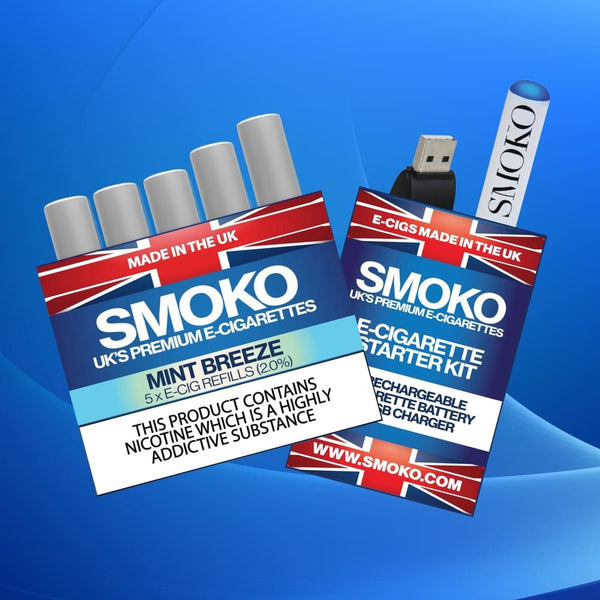
Now you can get started with SMOKO with a FREE* starter kit when you buy a box of SMOKO refills! Check out the SMOKO E-Cigarette and Vape Starter Kit deals and say 'goodbye' to cigarettes today!
*(One per household. Free UK shipping)
FAQ: Vaping vs Smoking
1. Is vaping really better for your health than smoking?
Yes. Public Health England and the NHS have stated that vaping is around 95% less harmful than smoking. It eliminates tar and carbon monoxide — two of the most dangerous substances in tobacco smoke.
2. Does vaping help people quit smoking?
Many smokers find vaping an effective way to quit. E-liquids can be tailored to different nicotine strengths, allowing you to gradually reduce your nicotine intake over time.
3. What’s in e-liquid compared to cigarettes?
E-liquids typically contain just four main ingredients — propylene glycol, vegetable glycerine, flavouring, and nicotine — while cigarettes contain over 4,000 chemicals, including dozens known to cause cancer.
4. Will I still get nicotine when vaping?
Yes, but without the toxic by-products of burning tobacco. You can choose nicotine levels that match your previous smoking habits and then reduce gradually if you wish to quit entirely.
5. Can vaping save me money compared to smoking?
Absolutely. Most smokers switching to vaping save hundreds — even thousands — of pounds a year, depending on their previous cigarette consumption.
References
(1) Press release: E-cigarettes around 95% less harmful than tobacco estimates landmark review
(2) Electronic Cigarettes: Past, Present, and Future
(3) Smoking - Help Me Quit: Are you Really Serious About Stopping Smoking?
(4) CDC: Outbreak of Lung Injury Associated with the Use of E-Cigarette, or Vaping, Products
(5) ASH: Smoking, Pregnancy and Fertility
ABOUT THE AUTHOR
Written by Dan Overgage
Dan Overgage is a former smoker of 10 years until he became a client of SMOKO E-Cigarettes. Dan started working with SMOKO 6 years ago after successfully quitting using our e-cigarettes and works across our Customer Service and heads up our content creation and research with a strong focus on all things quitting smoking. During his tenure with SMOKO, Dan has written countless blogs and consults with countless clients every day to help them to stay smoke-free.
Last updated 07/11/2025