Table of Contents
- Key Takeaways
- Understanding Vaping Devices and Their Components
- Choosing the Right E-Liquid
- Proper Vaping Technique & Inhale Styles
- Safety Considerations and Best Practices
- Maintenance and Troubleshooting
- Legal and Social Considerations
- How To Vape - Conclusion
- Frequently Asked Questions
- Is vaping safer than smoking?
- What nicotine strength should beginners use?
- How do you inhale a vape properly?
- How long does a vape coil last?
- Can you vape indoors in the UK?
- References
Key Takeaways
-
Choosing the right vape device and nicotine strength can make switching from cigarettes much easier for beginners.
-
Learning how to inhale properly, refill safely, and maintain your vape helps improve flavour and battery life.
-
Vaping is less harmful than smoking, but using trusted UK-compliant products is essential for a safer experience.
Vaping has become increasingly popular as an alternative to traditional smoking, offering a potentially less harmful way to consume nicotine (1). Whether you're considering making the switch from cigarettes or are simply curious about vaping, understanding the basics is essential for a safe and enjoyable experience. This comprehensive guide will walk you through everything you need to know about how to vape properly.
Understanding Vaping Devices and Their Components
Before diving into the actual vaping process, it’s crucial to understand the different types of devices available and their key components. Vaping is the act of inhaling vapour from an electronic cigarette or other electronic device, and modern options come in various forms, including cigalikes, a vape pen, pod systems, and box mods.

The basic components of most vaping devices include:
-
Battery: Powers the device and heats the coil
-
Tank or cartridge: In open systems, the vape tank holds the e-liquid and the coil
-
Coil: The battery-powered heating element that vaporises e-liquid
-
Mouthpiece: Where you inhale the vapour
For beginner vapers, simple vape kits such as cigalikes or pod systems are often recommended because they’re easy to use and closely mimic smoking. These devices typically come pre-filled or use replaceable cartridges, making them convenient for new vapers who want to focus on learning proper technique rather than device maintenance.
When choosing a device, it helps to match it to your preferred inhale style, as an MTL vape setup feels closer to smoking while a DTL vape setup is built for a more direct inhale.
More experienced vapers might gravitate toward box mods or advanced personal vaporisers that offer greater customisation options, including variable wattage, temperature control, and the ability to rebuild coils. Advanced vapers often prefer a vape mod for that extra control, but these devices require more knowledge and aren’t necessary for those just starting their vaping journey.
Choosing the Right E-Liquid
E-liquid, also known as vape juice, is the substance that gets vaporised in your device. E-liquids are generally grouped by nicotine form and by how thick the liquid is. The quality and composition of your e-liquid significantly impact your vaping experience, so choosing the right one is essential.
E-liquids typically contain four main ingredients:
-
Propylene Glycol (PG): Provides throat hit and carries flavour
-
Vegetable Glycerine (VG): Creates vapor clouds and adds smoothness
-
Nicotine: The addictive substance (optional)
-
Flavourings: Natural or artificial flavour compounds
The PG/VG ratio affects your vaping experience significantly. Higher PG ratios provide more throat hit and better flavour but produce less vapor. Higher VG ratios create larger vapor clouds and smoother hits but may mute flavours slightly, though high vg e liquid is less suitable for low-powered MTL setups. A 50/50 ratio is often recommended for beginners, especially in low-powered starter pod kits, as it provides a balanced experience, though health conscious vapers may prefer to choose a balance higher in propylene glycol. (2)
Nicotine strength is another crucial consideration. Nicotine strength refers to the nicotine content in the bottle, and your choice should reflect your previous smoking habits and intended nicotine consumption. If you’re transitioning from cigarettes, you might want to start with a nicotine level that matches your previous smoking habits. Heavy smokers often begin with 12-18mg nicotine, while lighter smokers might prefer 3-6mg, while low nicotine options are more common in direct-lung setups. Higher nicotine levels are linked to a more intense inhale, which is why some people choose high nicotine vape juice when starting out.
Freebase nicotine is often preferred by users who want a stronger throat hit without using the highest strengths. Nicotine salts, often called nic salts, provide smoother delivery at higher concentrations and absorb faster, which can help with what smokers crave when switching from cigarettes. However, evidence indicates that freebase nicotine may be able to maintain higher blood-nicotine levels, potentially reducing the frequency of puffs. (3)
Shortfills are larger nicotine-free bottles filled with e-liquid that leave a little room for you add nicotine shots yourself.
Proper Vaping Technique & Inhale Styles
Learning proper vaping technique is essential for both safety and enjoyment. Unlike smoking cigarettes, vaping requires a different approach to inhalation and timing, and different vaping styles plus inhalation techniques can change flavour, throat hit, comfort, and vapour production.
There are several vaping styles to try, including MTL and DTL, with RDL vaping and RDTL vaping offering a middle ground between the two.
Your inhale style should match the device, airflow, and coil resistance, since MTL usually uses higher-resistance coils and tighter airflow, while direct-to-lung (DTL) vaping means inhaling vapour straight into the lungs, typically with lower-resistance coils, wider airflow, larger clouds, and lower nicotine strengths.
-
Take a gentle puff to activate the device if needed.
-
Draw for longer than you would on a cigarette, using a slow, steady breath for around 3 to 5 seconds to avoid leaks and get a smoother result.
-
Exhale comfortably and adjust based on how it feels.
Using the wrong vaping techniques can make you take in too much vapour, and if you inhale incorrectly, coughing or discomfort is more likely.
Mouth-to-Lung (MTL vaping):
This technique mimics traditional cigarette smoking: an MTL vape is designed to feel familiar and is usually the easiest option for most vapers starting out. Draw the vapour in your mouth first, then continue by inhaling air into the lungs in a longer, steady draw of around 2 to 3 seconds. Holding it for a few seconds can make the sensation feel more like smoking while still keeping it comfortable.

This method is ideal for beginners and those using higher nicotine concentrations, and slow, controlled draws lasting 3 to 5 seconds can also help prevent liquid from leaking into the mouth. The inhalation technique used can affect the experience significantly; MTL devices usually use high resistance coils, a tighter draw or adjustable airflow, and create less vapour. It provides better flavour and throat hit while being easier on the lungs, and this style can better match the throat hit and nicotine delivery many smokers crave, especially with inhale activation devices or simple pods.
Here’s a step-by-step guide for proper MTL vaping:
-
Ensure your device is properly charged and filled with e-liquid
-
Take a slow, steady draw for 3-5 seconds
-
Hold the vapor in your mouth briefly
-
Inhale the vapor into your lungs
-
Exhale slowly
-
Wait 30-60 seconds before your next puff
Direct-to-Lung vaping (DTL):
This involves DTL vaping, where you inhale vapour straight into your lungs without holding it in your mouth first, similar to breathing deeply. This technique is typically used with lower nicotine concentrations and devices designed for larger vapor production. These setups usually use low resistance coils with more open or adjustable airflow and are common in sub ohm vaping. That approach creates thick clouds and a more intense flavour, so low nicotine e-liquid is usually the better choice (4). It requires more powerful devices and, in ohm vaping styles like this, is generally better suited to experienced vapers rather than beginners.
Timing between puffs is crucial to prevent overheating your coil and ensure proper vapor production. Taking too many rapid puffs can lead to dry hits, burnt taste, or device malfunction.
Safety Considerations and Best Practices
To vape safely, make reducing avoidable risks your top priority when vaping. According to the NHS, while e-cigarettes are significantly less harmful than traditional cigarettes, proper usage and quality products are essential for minimising risks. (5)
Key safety practices include:
-
Use quality products: Only purchase devices and e-liquids from reputable manufacturers
-
Proper battery care: Many devices use lithium-ion batteries, so never leave them charging unattended, do not overcharge them, and do not use them if they are damaged
-
Regular maintenance: Clean your device regularly and replace coils when they burn out
-
Storage safety: Keep e-liquids away from children and pets, and keep devices in a cool, dry place to reduce leaks and battery degradation
Watch for signs that indicate you need to replace your coil, such as burnt taste, reduced vapor production, or gurgling sounds. Most coils last 1-2 weeks depending on usage frequency and e-liquid composition. Staying hydrated can help because vaping may cause mild dryness in the mouth and throat.
If you experience any adverse effects such as coughing, throat irritation, headaches, or allergic reactions, discontinue use and consult a healthcare professional. Some individuals may be sensitive to certain ingredients in e-liquids, and long-term health impacts are still being studied, including possible respiratory and cardiovascular damage.
Maintenance and Troubleshooting
Proper maintenance extends your device’s lifespan and ensures optimal performance. Regular cleaning prevents buildup of residue that can affect flavour and vapor production, while regular upkeep helps your device create vapour consistently and protects flavour.
Basic maintenance tasks include:
-
Daily: Wipe down the exterior and mouthpiece
-
Weekly: Disassemble the vape tank, rinse all parts except the coil with warm water, let them air dry completely, and check connections
-
Monthly: Deep clean all removable components
Common issues and solutions:
No vapor production: Check battery charge, ensure proper coil installation, verify adequate e-liquid levels, and keep your e-liquid topped up to avoid dry hits and a harsh taste.
Burnt taste: Replace the coil, let new coils or pods sit upright for 5–10 minutes after filling so the wick can prime properly, keep e-liquid topped up, and avoid chain vaping.
Leaking: Check all seals and connections, ensure proper coil installation, and avoid overfilling the tank.
Weak flavour: Replace the coil, clean the tank thoroughly, or try a different e-liquid with higher flavour concentration.
Legal and Social Considerations

Understanding the legal and social aspects of vaping helps ensure you're using your device appropriately and legally. The UK government has established comprehensive regulations governing e-cigarette sales and usage.
Key legal points include:
-
You must be 18 or older to purchase vaping products
-
Advertising restrictions apply to e-cigarette products
-
Tank capacity and nicotine strength limits are regulated
-
All products must meet safety and quality standards
Social etiquette is equally important. Many locations that prohibit smoking also restrict vaping. Always ask permission before vaping indoors, be mindful of others around you, and respect no-vaping policies in public spaces, workplaces, and transportation.
Consider the impact of secondhand vapor on others, particularly children, pregnant women, and individuals with respiratory conditions. While research from the CDC indicates that secondhand exposure to e-cigarette aerosol is likely less harmful than cigarette smoke, it's still courteous to minimise others' exposure.
How To Vape - Conclusion
Learning how to vape properly involves understanding your device, choosing appropriate e-liquids, mastering proper technique, and maintaining safety standards. Start with simple devices and gradually explore more advanced options as you become comfortable with the basics.
Remember that vaping is intended as a harm reduction tool for adult smokers, and if you don't currently smoke, there's no reason to start vaping. Always prioritise quality products, follow safety guidelines, and respect legal and social boundaries. With proper knowledge and responsible usage, vaping can provide a satisfying alternative to traditional smoking while potentially reducing health risks. As research continues to evolve, stay informed about new developments and recommendations from health authorities to ensure you're making the best decisions for your well-being.
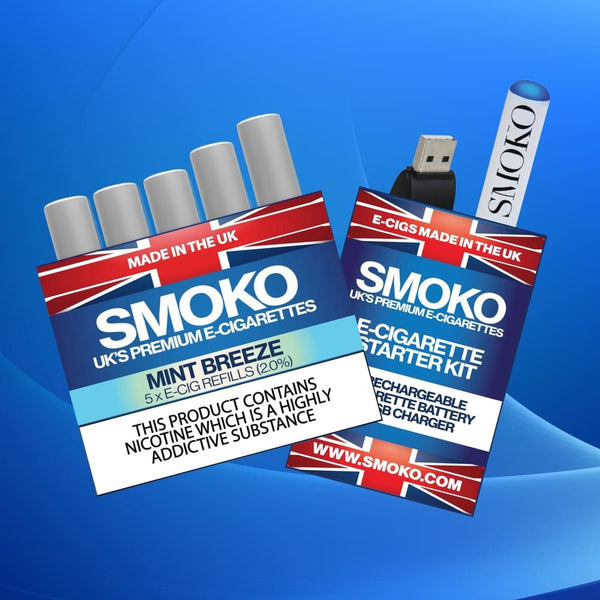
If you are a smoker looking to quit, then check out the SMOKO E-Cigarette & Vape Starter Kit deals and make the switch to start your smoke-free journey today!
Frequently Asked Questions
Is vaping safer than smoking?
According to UK health authorities, vaping is significantly less harmful than smoking cigarettes because it does not burn tobacco or produce tar.
What nicotine strength should beginners use?
Heavy smokers often start with higher nicotine strengths, while light smokers may prefer lower strengths. Choosing the right level can help reduce cravings more effectively.
How do you inhale a vape properly?
Most beginners use a mouth-to-lung inhale, where they inhale vapour with a slow, steady draw into the mouth before breathing it into the lungs, rather than taking a sharp cigarette-style puff. Using the wrong inhale style can cause coughing or discomfort.
How long does a vape coil last?
Most vape coils last between 1–2 weeks depending on how often you vape and the type of e-liquid you use.
Can you vape indoors in the UK?
There is no nationwide ban on indoor vaping in the UK, but many businesses, public spaces, and transport providers have their own rules.
References
(1) While vaping is not risk-free, it is less harmful than tobacco
(5) NHS: Using e-cigarettes to stop smoking
ABOUT THE AUTHOR
Written by Dan Overgage
Dan Overgage is a former smoker of 10 years until he became a client of SMOKO E-Cigarettes. Dan started working with SMOKO 6 years ago after successfully quitting using our e-cigarettes and works across our Customer Service and heads up our content creation and research with a strong focus on all things quitting smoking. During his tenure with SMOKO, Dan has written countless blogs and consults with countless clients every day to help them to stay smoke-free.
Last updated 28/05/2026